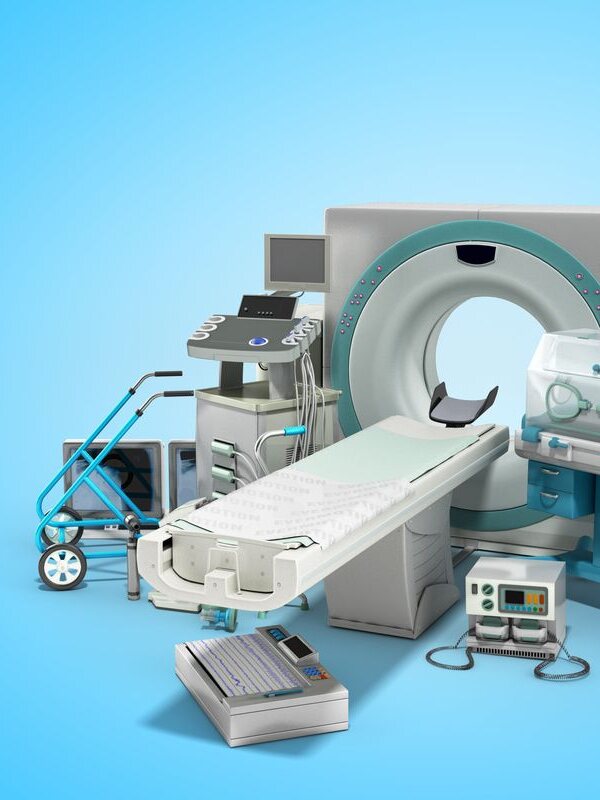
What Emergency Transport Covers
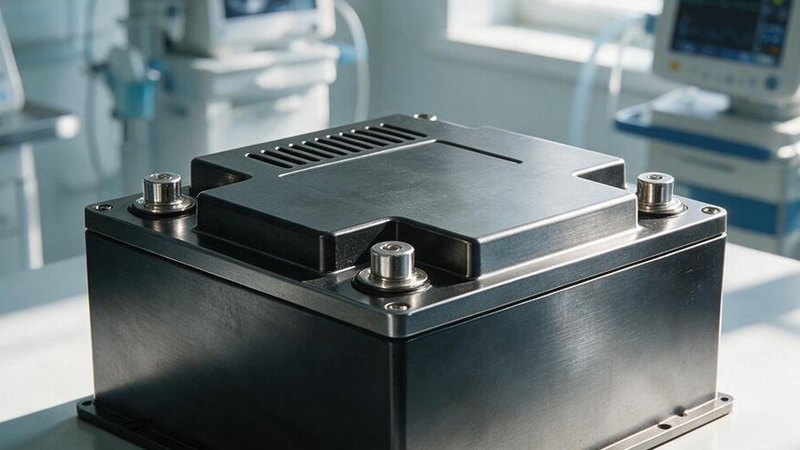
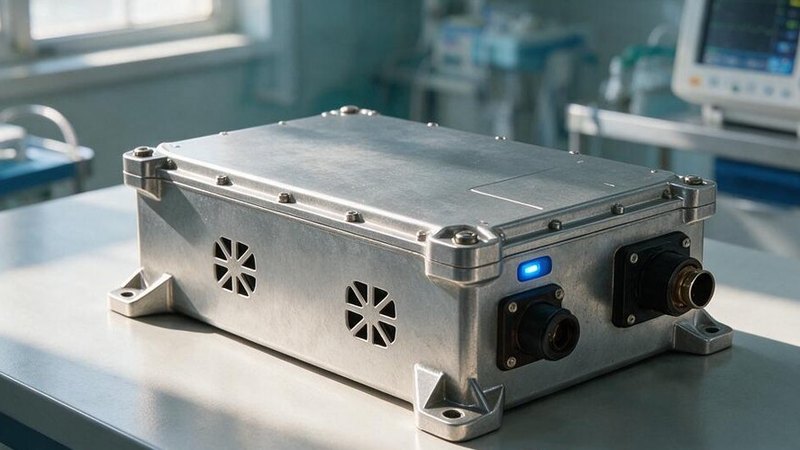
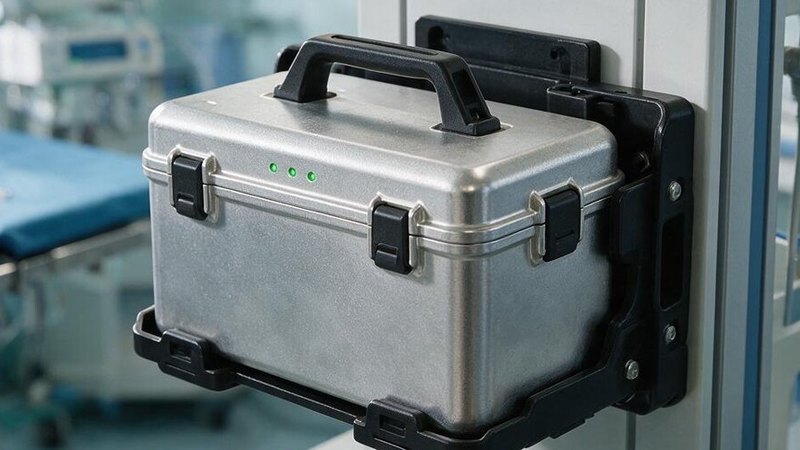
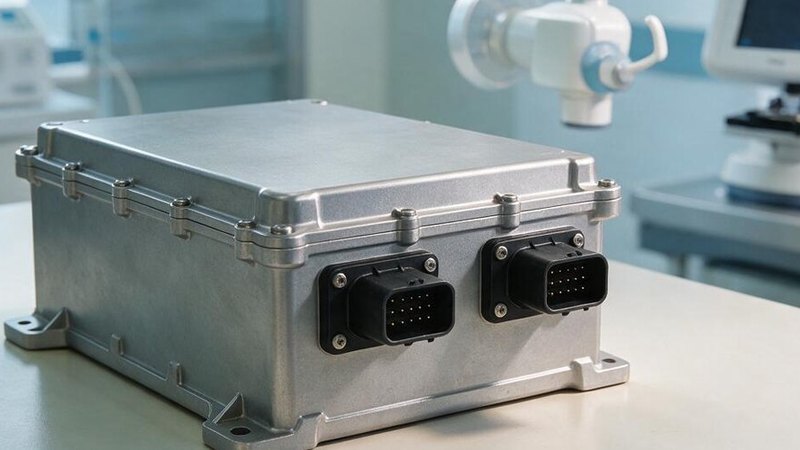
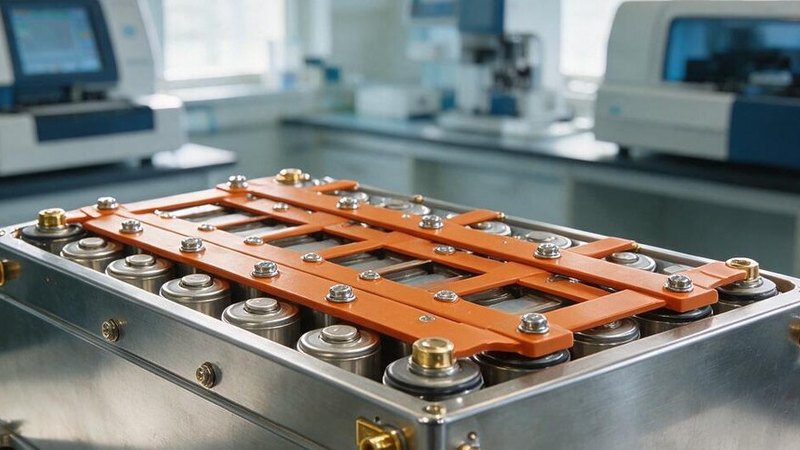
Transport demands batteries that stay reliable in hard conditions — lead-acid plates fracture under vibration and conventional 18650 packs shake hundreds of weld points loose. For emergency equipment makers, battery failure means patient risk and product recall. PLB answers with laser-welded prismatic aluminium cells: zero failures after 1,000 hours of vibration, −20 °C to 60 °C operation and one third of the lead-acid weight.
Professional Battery Solutions
Ambulance Vibration Kills Lead-Acid in 3–6 Months — How to Cut After-Sales Costs?
Ambulances run around the clock with engine and road vibration. Lead-acid plates break free within three to six months, and 18650 packs show more than 5% weld detachment after 1,000 hours. Manufacturers end up handling a constant stream of vibration-related warranty claims.
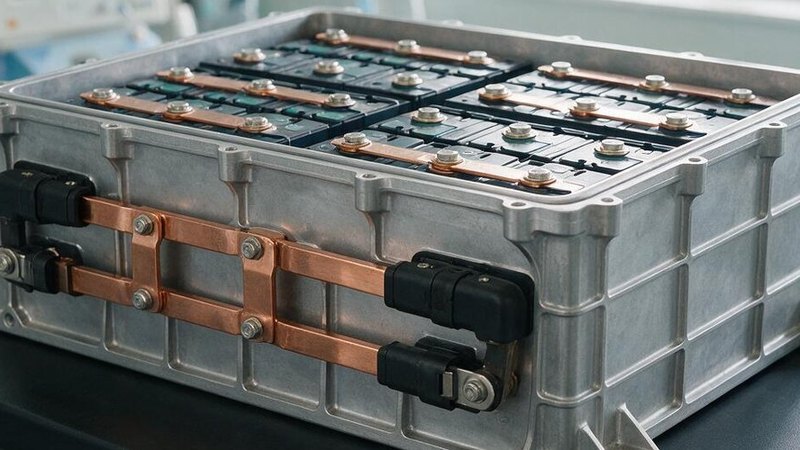
PLB prismatic aluminium cells are laser welded into a monolithic structure, so 1,000 hours of testing produces zero failures. After-sales failure rates drop by more than 90% and annual service cost approaches zero, with one battery covering every transport scenario.
| 18650 pack | PLB prismatic | |
|---|---|---|
| Cell structure | Cylindrical 18650 + nickel strip | Prismatic aluminium, laser welded |
| Weld points | Hundreds | Zero standalone welds |
| 1,000-hour vibration | Over 5% detachment | Zero failures |
| Annual after-sales cost | High | Near zero |
Extreme-Temperature Rescue — How to Guarantee All-Temperature Coverage?
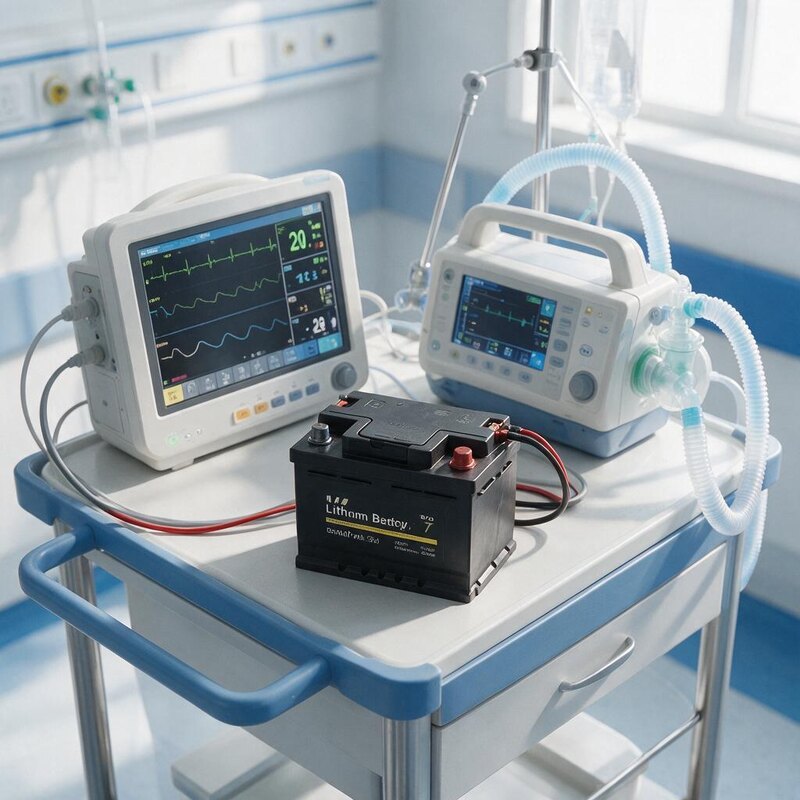
The pain is specific: Extreme-Temperature Rescue — How to Guarantee All-Temperature Coverage? In daily operation, lead-acid or manually managed packs lose capacity between scheduled checks, maintenance teams cannot inspect every unit, and the failure surfaces only when the load is already at risk.
PLB wide-temperature versions discharge from −20 °C to 60 °C with 85% capacity retention at −20 °C, and a built-in heating film preheats the pack before charging. PLB's LiFePO₄ pack and BMS monitor cell voltage, temperature and SOC continuously, alert before a weak cell becomes a failure, and are sized to the application's load profile.
| Conventional / manual | PLB LiFePO₄ | |
|---|---|---|
| Monitoring | Periodic checks | Continuous BMS |
| Fault warning | At failure | Threshold alerts |
| Maintenance | Scheduled visits | Exception-based |
| Service life | 2–3 years | 6,000+ cycles |
Lead-Acid 12 kg Is Too Heavy — Lightweighting Is a Must for Emergency Equipment
Ambulances are already overloaded with equipment, and a 12V30Ah lead-acid battery at about 12 kg is the heaviest single component on board. Weight reduction improves fuel efficiency by 5–8%, worth tens of thousands a year.
The same capacity at one third of the weight: 3.5 kg in place of 12 kg, saving 8.5 kg per vehicle, 60% less volume and single-person replacement. It strengthens the lightweight selling point and supports a higher end price.
| Lead-acid | PLB LiFePO₄ | |
|---|---|---|
| Weight (12V30Ah) | About 12 kg | About 3.5 kg |
| Volume | Large | 60% smaller |
| Replacement | Two people | Single person |
| Fuel efficiency | Worse | 5–8% better |
Battery Dies During Transport = Stranded — How Does Smart Alert Prevent It?
A battery dying mid-transport shuts the equipment down and exposes the patient to risk. Lead-acid has no precise level indicator, and emergency command centers cannot track each vehicle remotely, so the fleet runs blind.
PLB gives precise SOC with remaining-runtime estimation and warns more than 30 minutes ahead. RS485 links to the emergency command platform so the control center sees every vehicle in real time — a digital-platform advantage for the manufacturer.
| Lead-acid | PLB BMS | |
|---|---|---|
| State-of-charge accuracy | Rough bars | Precise percentage |
| Advance warning | None | 30+ minutes |
| Remote monitoring | Not supported | RS485 real-time |
| Digital platform link | Incompatible | Seamless |
Solution Advantages
Extreme Anti-Vibration
Prismatic aluminium, laser welded
Prismatic aluminium cells with a laser-welded monolithic structure: zero failures after 1,000 hours of vibration testing. After-sales failures fall by more than 90% and annual service cost approaches zero.
GB/T 2423 highest level · Ambulance, field and air transportWide Temperature
−20 °C to 60 °C, 85% capacity at −20 °C
85% capacity retention at −20 °C with a built-in heating film that allows charging after preheat. One battery covers northern winter rescue and desert transfer, opening extreme-temperature markets.
85% at −20 °C · Built-in heating filmUltra-Lightweight
3.5 kg replaces 12 kg
3.5 kg replaces 12 kg of lead-acid — 8.5 kg saved per vehicle, 5–8% better fuel efficiency, single-person replacement and a stronger lightweight selling point at a higher end price.
Single-person replacement · Higher end priceSmart Alert, No Stranding
Automatic alarm 30+ minutes ahead
Precise SOC with remaining-runtime estimation and a warning more than 30 minutes ahead. RS485 links to the emergency command platform so the command center sees every vehicle.
RS485 remote monitoring · Fleet-wide visibilityFrom Selection to After-Sales — PLB Stays With You
Four commitments that apply to every page in this category, from the first technical question to long-term support.

Technical Selection Support
Engineer recommends within 24 hours
Tell us the device type, load profile and space limits — our engineers size the pack and recommend the matching model within 24 hours.
Dedicated technical team · 24-hour response
OEM / ODM Customization
From cell to cabinet, fully customizable
From cells, BMS, housing and terminals to the nameplate, everything can be customized.
4–8 week customization · Tooling development supported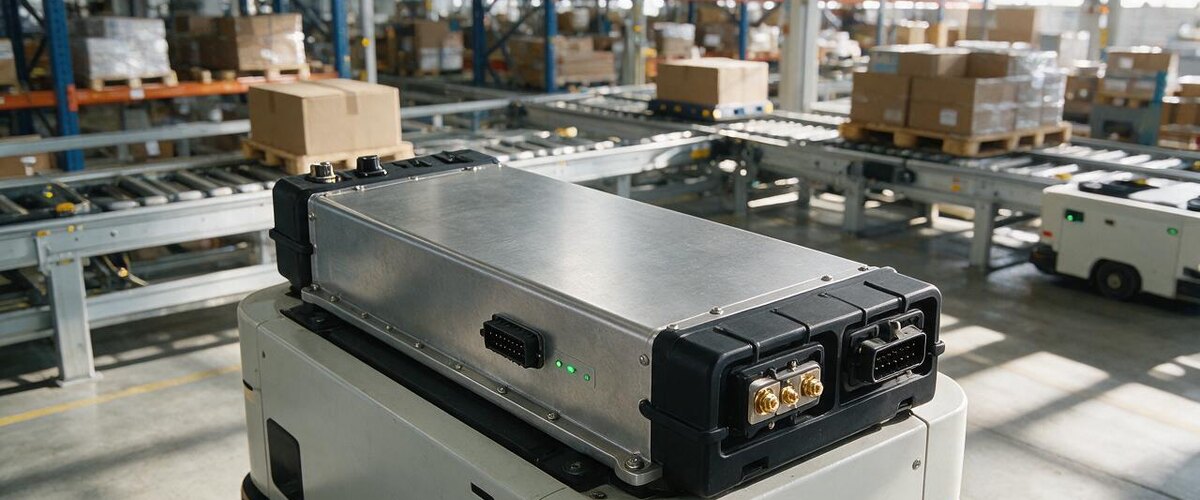
Global Shipping
Export to 100+ countries
Export-compliant packaging with UN 38.3 air transport certification and worldwide delivery.
UN 38.3 certified · MSDS available · Export compliant
Warranty & Support
Standard warranty, lifetime support
Standard products carry a full warranty, backed by lifetime technical support.
Warranty terms on request · Lifetime technical supportWhy Choose PLB?
Years of Manufacturing
Founded in Dongguan, China in 2014
Countries Served
Export-compliant packaging and worldwide delivery
Voltage Platforms
From 25.6V to 512V, built on the same cell platform
After-Sales Rate
Monitored by the internal quality traceability system
Full Range & Model Selection
Complete product range and model selection — 12V packs from 20Ah for home devices to 100Ah for imaging, plus wide-temperature versions for extreme-climate rescue.
| Model | Voltage | Capacity | Weight | Applications |
|---|---|---|---|---|
| LL-MED-12V20Ah | 12V | 20Ah | ~2.5 kg, 60% smaller | Home devices · monitoring |
| LL-MED-12V30Ah | 12V | 30Ah | ~3.5 kg, laser welded | Ambulance · transfer equipment |
| LL-MED-12V30Ah-W | 12V | 30Ah | −20~60 °C, 85% at −20 °C | Extreme-temperature rescue |
| LL-MED-12V40Ah | 12V | 40Ah | Hot-swap option | Operating · surgical devices |
| LL-MED-12V50Ah | 12V | 50Ah | RS485 / CAN, IEC 60601-1 | Life support · ICU |
| LL-MED-12V60Ah | 12V | 60Ah | Full certification set | IVD · analyzers |
| LL-MED-12V100Ah | 12V | 100Ah | Custom enclosure | Imaging equipment |
By application: home devices → LL-MED-12V20Ah.
By environment: standard indoor → standard series.
Not sure? Send us the device type, load profile and space limits — our engineers will size the pack directly.
Frequently Asked Questions
The questions medical device manufacturers ask most about LiFePO₄ medical packs in the Emergency Transport scenario — −20~60 °C (operating range), and what it takes to qualify.
Which pack fits the Emergency Transport device already in service?
The pack keeps the SLA envelope and connector so the device needs no mechanical change, and the documentation package supports the device file. For Emergency Transport builds the range starts at LL-MED-12V30Ah and LL-MED-12V30Ah-W (wide-temperature), specified at 85% (capacity at −20 °C).
How much usable capacity does the pack deliver across a procedure in Emergency Transport service?
Power quality is the design target: low internal resistance keeps voltage sag inside the device tolerance and avoids resets or interrupted cycles during peak load.
Will the pack survive Emergency Transport conditions for its full service life?
Specification: −20~60 °C (operating range). BMS protection and thermal limits are matched to the device enclosure for continuous duty.
How does the pack connect to the charger and control system in the Emergency Transport scenario?
RS485 and CAN report SOC, voltage, current and temperature, with a 20% alarm and a 10% emergency protocol for hospital integration.
Can the pack be customized for the Emergency Transport application and certification file?
Cells, BMS, housing, terminals and nameplate are customizable. Custom packs take 4–8 weeks including tooling. Tell us the device type, load profile and space limits — our engineers size the pack and recommend the matching model within 24 hours.
Need a Selection Recommendation?
Tell us the load, backup time and installation space — our engineers will recommend the matching battery within 24 hours.
NDA available upon request · Typical response within 12 hours