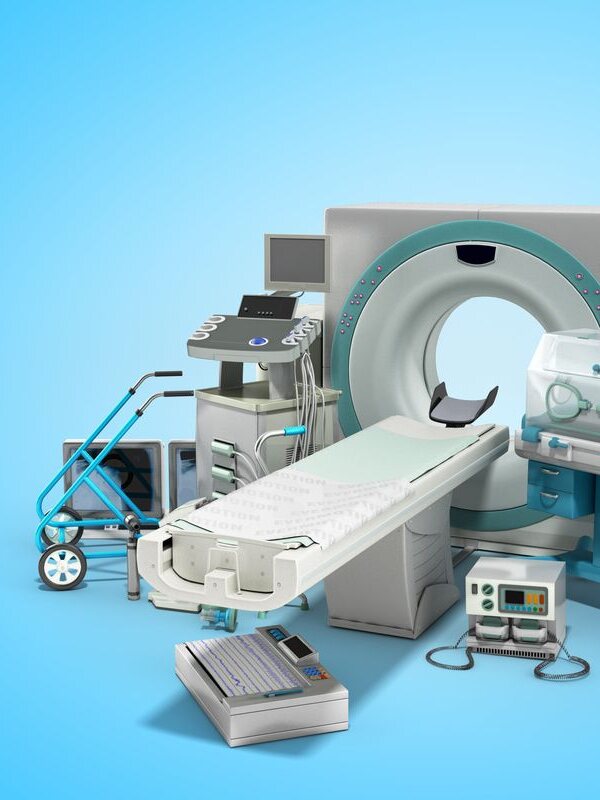
What Medical Imaging Battery Covers
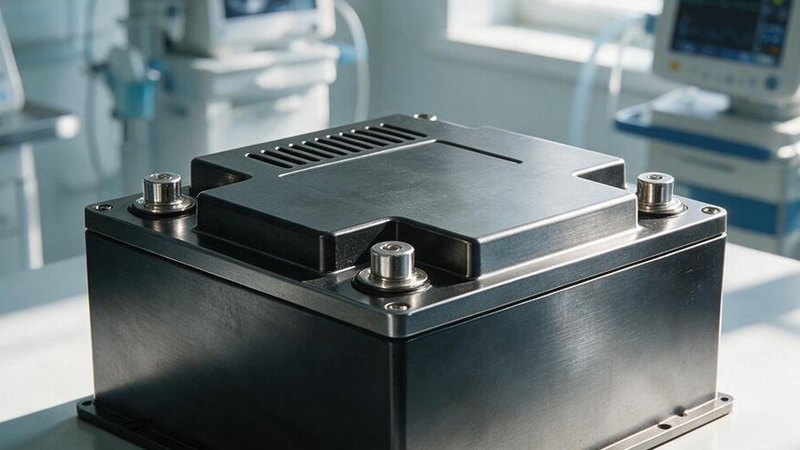
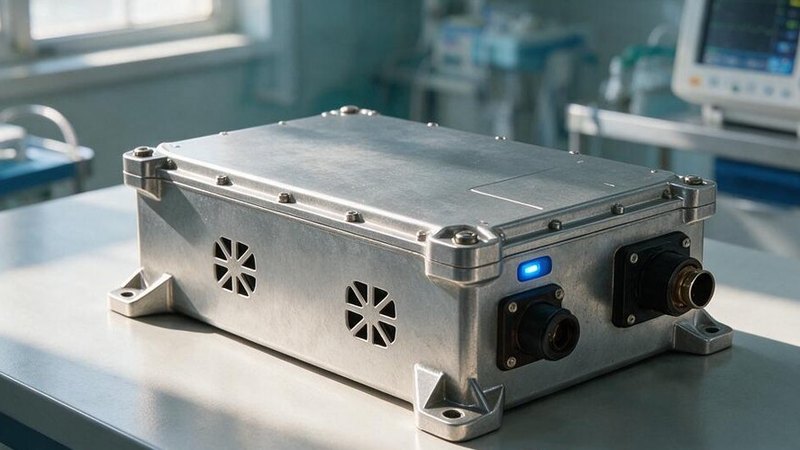
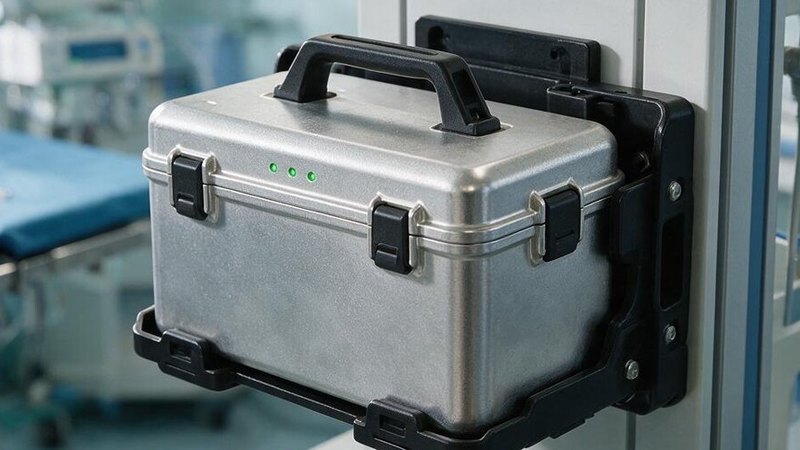
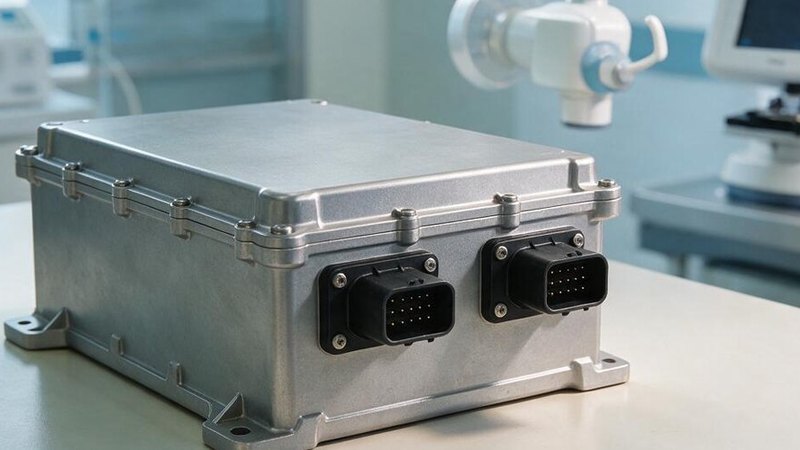
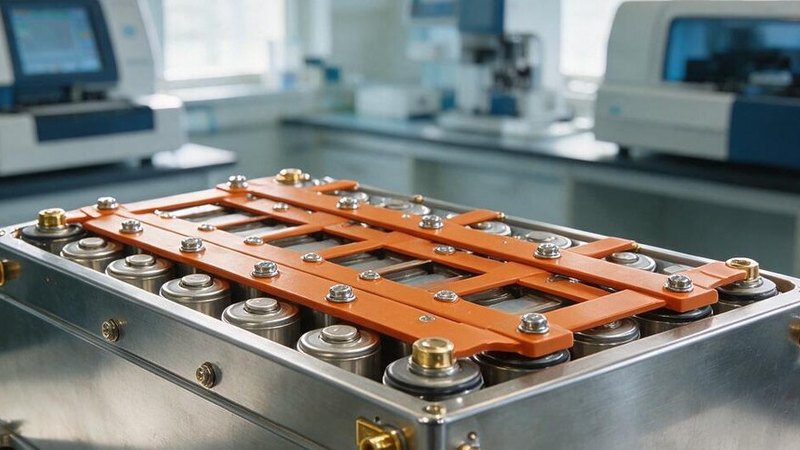
Imaging equipment demands extremely high power quality — CT exposure draws hundreds of amps instantaneously, >5% voltage fluctuation creates image artifacts. One bad image means extra patient radiation, reduced equipment utilization, higher hospital operating costs. For imaging equipment manufacturers, power stability directly determines image quality and market competitiveness. PLB LiFePO₄: <2mΩ internal resistance, 3C pulse discharge, <1% voltage drop (vs lead-acid >15%). 60% smaller at equivalent power.
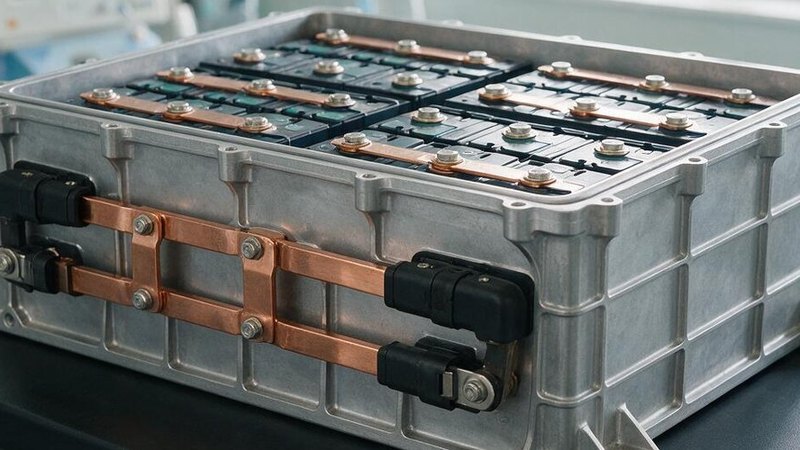
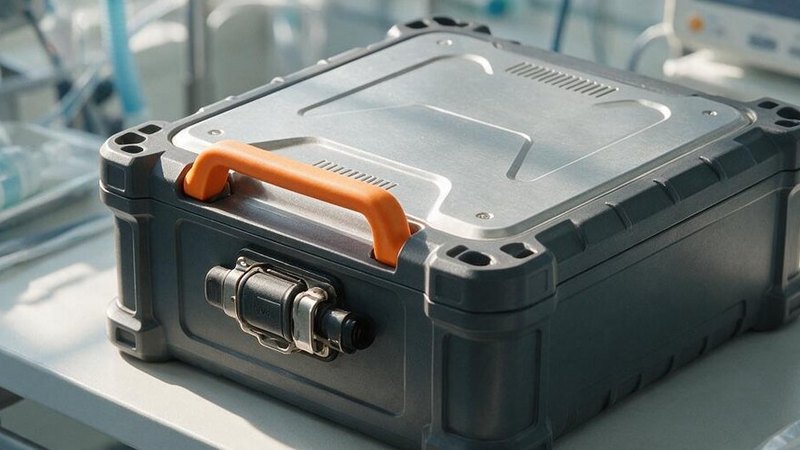
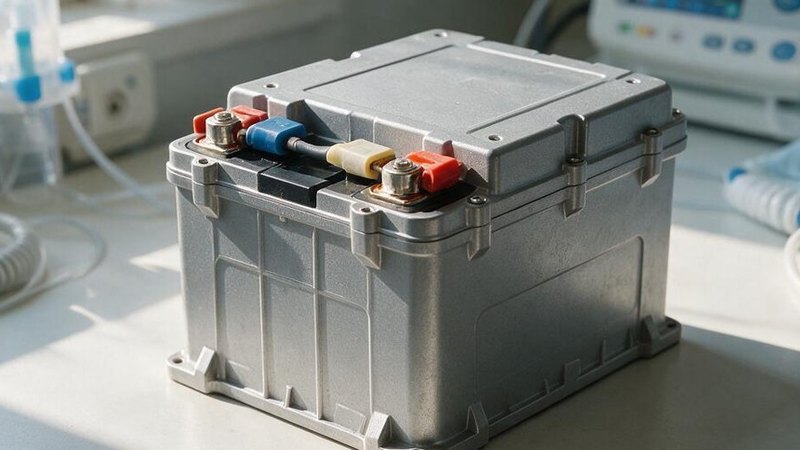
Professional Battery Solutions
Unstable CT Voltage → Artifacts → 8-12% Re-Scan Rate — How to Break Through?
CT exposure draws 300–500A instantly. High lead-acid internal resistance causes >15% voltage drop. Re-scan rate as high as 8-12% — every 100 examinations wastes 8-12. Hospital equipment departments report: re-scans not only waste materials and time but reduce daily examination volume by 15%.
Reduce re-scan rate to <0.5%; increase daily examination volume by 15% — a hard metric manufacturers can include in product brochures. Ultra-low internal resistance (<2mΩ), 3C pulse discharge, <1% voltage drop. Built-in regulation ensures consistent exposure results.
| Conventional | PLB imaging | |
|---|---|---|
| Voltage stability | Unstable, artefacts | Stable |
| Re-scan rate | 8–12% | Below 0.5% |
| Daily throughput | Baseline | 15% higher |
| Image quality | Variable | Consistent |
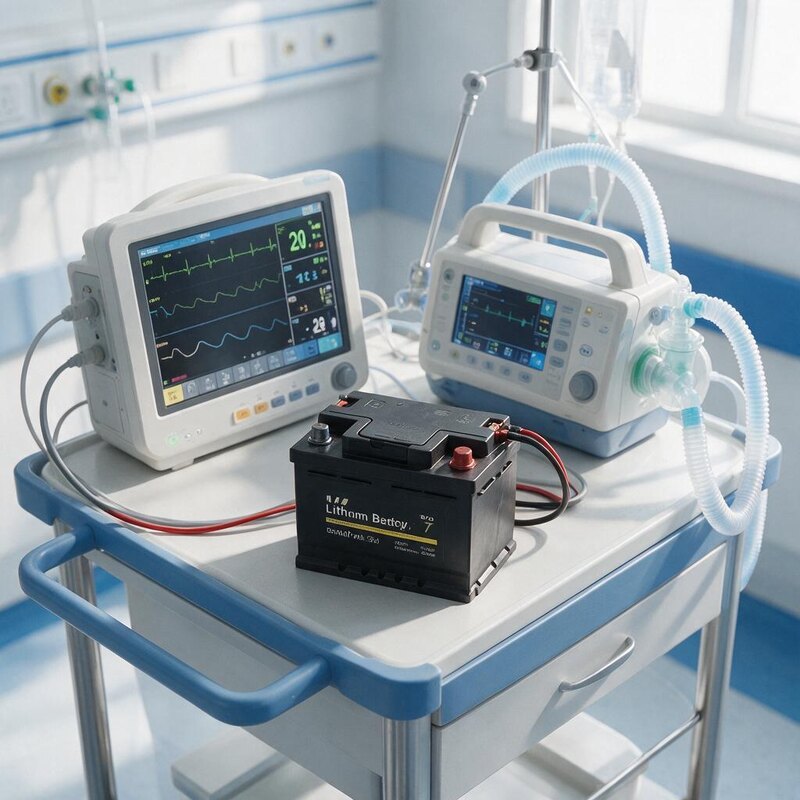
X 33L/30kg Mobile X-Ray Space Is Tight — Lead-Acid 33L/30kg Won't Fit
The pain is specific: X 33L/30kg Mobile X-Ray Space Is Tight — Lead-Acid 33L/30kg Won't Fit In daily operation, lead-acid or manually managed packs lose capacity between scheduled checks, maintenance teams cannot inspect every unit, and the failure surfaces only when the load is already at risk.
Enhanced product competitiveness — 60% smaller (~13L vs 33L), 60% lighter (~12kg vs 30kg). PLB's LiFePO₄ pack and BMS monitor cell voltage, temperature and SOC continuously, alert before a weak cell becomes a failure, and are sized to the application's load profile.
| Conventional / manual | PLB LiFePO₄ | |
|---|---|---|
| Monitoring | Periodic checks | Continuous BMS |
| Fault warning | At failure | Threshold alerts |
| Maintenance | Scheduled visits | Exception-based |
| Service life | 2–3 years | 6,000+ cycles |
Imaging Battery Replacement Every 1-2 Years — How to Calculate Downtime Losses?
A mobile DR takes 50-80 images daily. Lead-acid drops to 60% after 300–500 cycles — must replace in 1–2 years. Each replacement requires 2–4 hours downtime plus disassembly/adjustment — actual losses far exceed battery cost. unplanned downtime can cost thousands per incident — even more during peak examination periods.
5-year TCO saves 60%+ vs lead-acid; equipment uptime >99%. 2,000+ cycles — 5+ years at 10 exposures daily. 70% fewer replacements. TCO comparison reports provided to help end customers understand the true cost difference.
| Lead-acid | PLB imaging | |
|---|---|---|
| Replacement frequency | Every 1–2 years | 70% lower |
| Cycles | Lower | 2,000+ |
| Equipment availability | Interrupted | Above 99% |
| TCO | Baseline | 60%+ lower |
Solution Advantages
3C
3C Pulse No Voltage Drop
Internal resistance below 2mΩ keeps voltage sag under 1%, taking re-scan rates from 8–12% to below 0.5% and lifting daily throughput by 15%.
Leading image quality · A core selling point for device makers60%
60% Smaller Volume
High-energy-density prismatic cells replace 33 L with 13 L at the same capacity and support custom dimensions for a perfect fit inside the device.
More compact devices · Leading portability against competitors5
5-Year Ultra-Long Life
2,000+ cycles cut replacement frequency by 70% and keep equipment availability above 99%, with TCO 60%+ lower and no unplanned downtime.
Zero unplanned downtime · TCO report available for customersConsistent Regulated Output
Consistent Regulated Output
A built-in regulator circuit makes every exposure consistent, so image quality and diagnostic confidence stay stable.
Consistent imaging · Passes quality-control reviewFrom Selection to After-Sales — PLB Stays With You
Four commitments that apply to every page in this category, from the first technical question to long-term support.

Technical Selection Support
Engineer recommends within 24 hours
Tell us the device type, load profile and space limits — our engineers size the pack and recommend the matching model within 24 hours.
Dedicated technical team · 24-hour response
OEM / ODM Customization
From cell to cabinet, fully customizable
From cells, BMS, housing and terminals to the nameplate, everything can be customized.
4–8 week customization · Tooling development supported
Global Shipping
Export to 100+ countries
Export-compliant packaging with UN 38.3 air transport certification and worldwide delivery.
UN 38.3 certified · MSDS available · Export compliant
Warranty & Support
Standard warranty, lifetime support
Standard products carry a full warranty, backed by lifetime technical support.
Warranty terms on request · Lifetime technical supportWhy Choose PLB?
Years of Manufacturing
Founded in Dongguan, China in 2014
Countries Served
Export-compliant packaging and worldwide delivery
Voltage Platforms
From 25.6V to 512V, built on the same cell platform
After-Sales Rate
Monitored by the internal quality traceability system
Full Range & Model Selection
Complete product range and model selection — 12V packs from 20Ah for home devices to 100Ah for imaging, plus wide-temperature versions for extreme-climate rescue.
| Model | Voltage | Capacity | Weight | Applications |
|---|---|---|---|---|
| LL-MED-12V20Ah | 12V | 20Ah | ~2.5 kg, 60% smaller | Home devices · monitoring |
| LL-MED-12V30Ah | 12V | 30Ah | ~3.5 kg, laser welded | Ambulance · transfer equipment |
| LL-MED-12V30Ah-W | 12V | 30Ah | −20~60 °C, 85% at −20 °C | Extreme-temperature rescue |
| LL-MED-12V40Ah | 12V | 40Ah | Hot-swap option | Operating · surgical devices |
| LL-MED-12V50Ah | 12V | 50Ah | RS485 / CAN, IEC 60601-1 | Life support · ICU |
| LL-MED-12V60Ah | 12V | 60Ah | Full certification set | IVD · analyzers |
| LL-MED-12V100Ah | 12V | 100Ah | Custom enclosure | Imaging equipment |
By application: home devices → LL-MED-12V20Ah.
By environment: standard indoor → standard series.
Not sure? Send us the device type, load profile and space limits — our engineers will size the pack directly.
Frequently Asked Questions
The questions medical device manufacturers ask most about LiFePO₄ medical packs in the Imaging Equipment scenario — <2 mΩ (internal resistance), and what it takes to qualify.
Which pack fits the Imaging Equipment device already in service?
The pack keeps the SLA envelope and connector so the device needs no mechanical change, and the documentation package supports the device file. Typical models for Imaging Equipment builds are LL-MED-12V100Ah.
How much usable capacity does the pack deliver across a procedure in Imaging Equipment service?
Power quality is the design target: low internal resistance keeps voltage sag inside the device tolerance and avoids resets or interrupted cycles during peak load. Key figure: <2 mΩ (internal resistance).
Will the pack survive Imaging Equipment conditions for its full service life?
The pack is built for continuous device duty with BMS protection and thermal limits matched to the enclosure.
How does the pack connect to the charger and control system in the Imaging Equipment scenario?
RS485 and CAN report SOC, voltage, current and temperature, with a 20% alarm and a 10% emergency protocol for hospital integration.
Can the pack be customized for the Imaging Equipment application and certification file?
Cells, BMS, housing, terminals and nameplate are customizable. Custom packs take 4–8 weeks including tooling. Tell us the device type, load profile and space limits — our engineers size the pack and recommend the matching model within 24 hours.
Need a Selection Recommendation?
Tell us the load, backup time and installation space — our engineers will recommend the matching battery within 24 hours.
NDA available upon request · Typical response within 12 hours