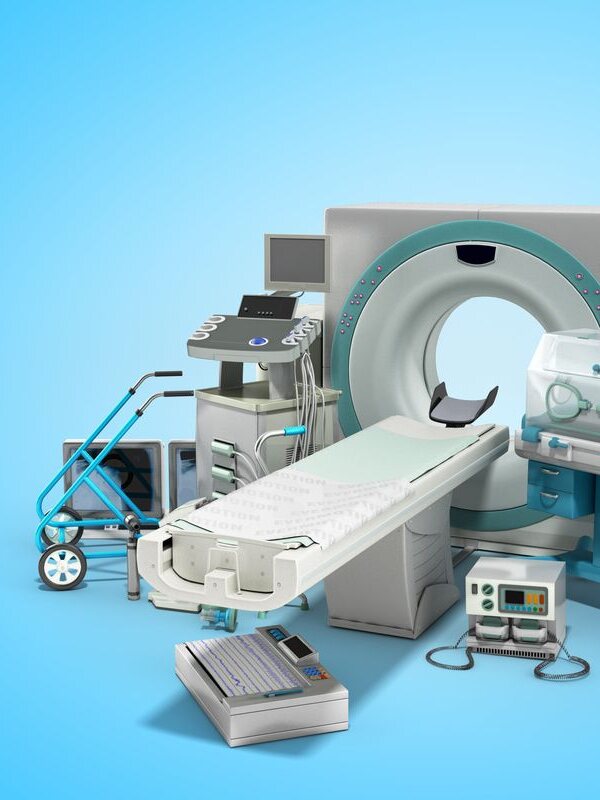
What Life Support Equipment Covers
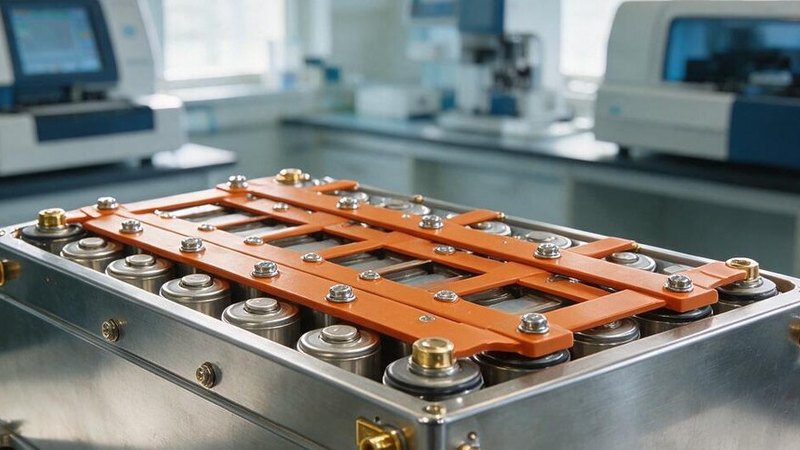
Life support demands the most extreme reliability of all — thirty seconds of power loss is a medical accident and sixty seconds is irreversible brain damage. For equipment manufacturers, power reliability is not a performance metric but legal liability. PLB answers with a dual-redundant BMS architecture: automatic switchover under 1 ms, failure rates below 0.1% and full IEC 60601-1 single-fault certification.
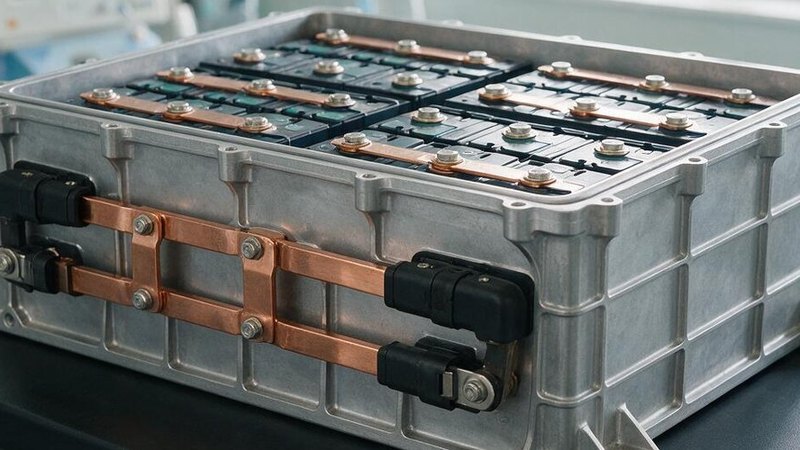
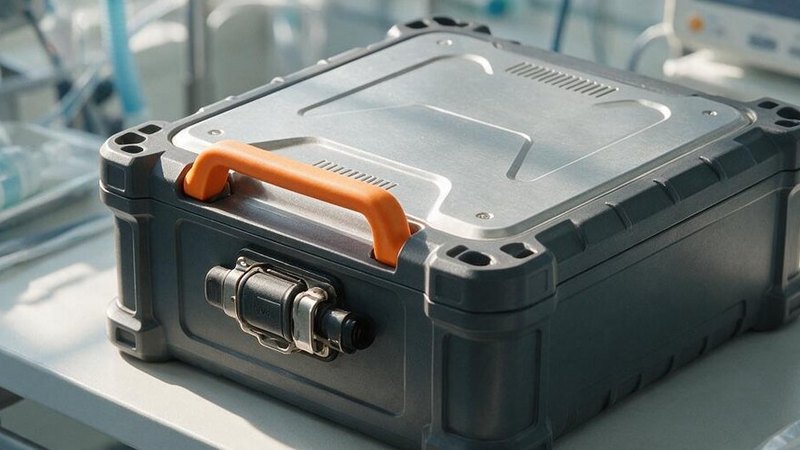
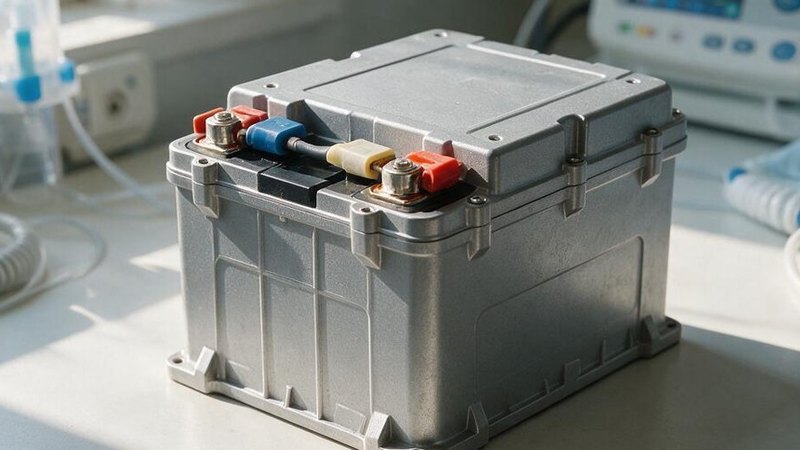
Professional Battery Solutions
Power Loss = Medical Liability — How to Reach the Industry-Lowest Failure Rate?
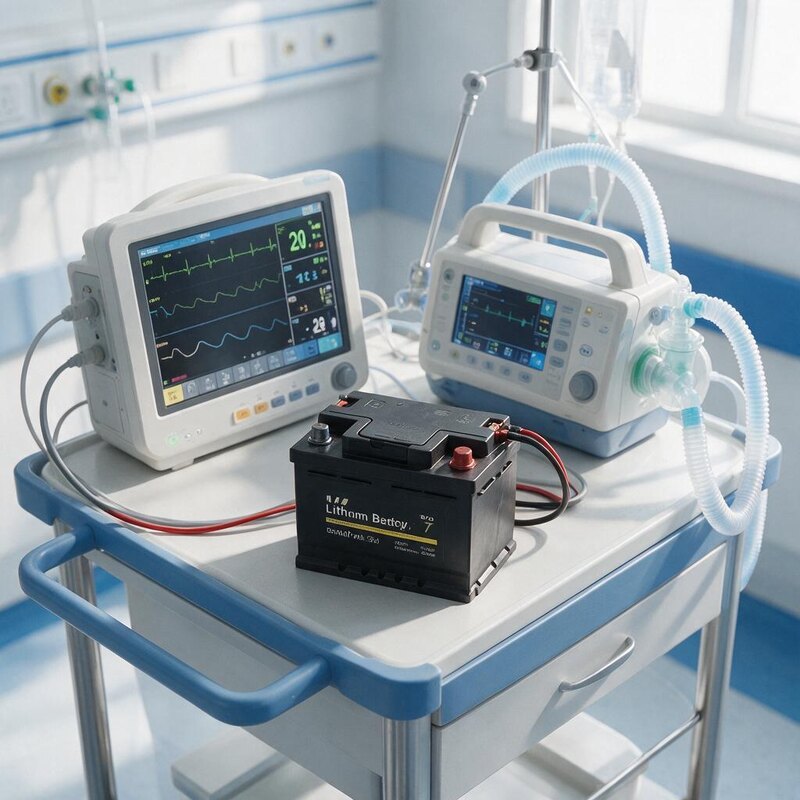
Thirty seconds of power loss on an ICU ventilator is a medical accident. Lead-acid fails suddenly at 2–5% a year, so an ICU with ten life-support devices faces 0.2 to 0.5 unexpected blackouts every year — and nobody can predict which unit goes dark.
PLB cuts the failure rate from 2–5% to below 0.1% and reduces annual warranty spending by more than 80%. A dual-redundant BMS switches in under 1 ms and intelligent SOC forecasting alerts 48 hours ahead, lowering both operational risk and insurance premiums.
| Lead-acid | PLB LiFePO₄ | |
|---|---|---|
| Sudden failure rate | 2–5% / year | Below 0.1% |
| Redundancy | None | Dual-redundant BMS |
| Annual warranty cost | High | 80% lower |
| Legal exposure | High | Very low |
Device Registration Takes 12–24 Months — How to Shorten Battery Certification by 30%?
The pain is specific: Device Registration Takes 12–24 Months — How to Shorten Battery Certification by 30%? In daily operation, lead-acid or manually managed packs lose capacity between scheduled checks, maintenance teams cannot inspect every unit, and the failure surfaces only when the load is already at risk.
PLB shortens registration by 30% and brings devices to market six months earlier. PLB's LiFePO₄ pack and BMS monitor cell voltage, temperature and SOC continuously, alert before a weak cell becomes a failure, and are sized to the application's load profile.
| Conventional / manual | PLB LiFePO₄ | |
|---|---|---|
| Monitoring | Periodic checks | Continuous BMS |
| Fault warning | At failure | Threshold alerts |
| Maintenance | Scheduled visits | Exception-based |
| Service life | 2–3 years | 6,000+ cycles |
A Hospital Runs 200+ Devices and Spends ¥1M+ a Year — How to Save Your Customer Money?
A top-tier hospital runs 200 or more battery-powered life-support devices. Replacing lead-acid every one to two years costs more than ¥1M annually in procurement, labor and downtime — and almost nobody calculates the lifecycle cost until a supplier does it for them.
PLB helps the customer cut five-year TCO by 60% and strengthens the manufacturer’s tender position. At 2,000+ cycles the daily-cycling life exceeds five years, so 200 devices see one replacement in five years instead of three to five. A TCO calculator is provided for tender support.
| Lead-acid | PLB LiFePO₄ | |
|---|---|---|
| Replacements in 5 years | 3–5 | 0 |
| 5-year TCO | Baseline 100% | 60% lower |
| Tender competitiveness | Weak | Strong |
| Customer retention | Low | High |
Hospital Equipment Management — How to Digitise Battery Status?
Hospitals are building smart-equipment management platforms that require remote battery visibility. Lead-acid shows only rough bar indicators, so it cannot report into management systems — and the device manufacturer is left out of the ecosystem.
PLB reports precise SOC, voltage, current and temperature over RS485 and CAN, with an automatic alert at 20% and an emergency protocol at 10%. The device integrates seamlessly into smart hospital ecosystems, raising product premium and building a competitive moat.
| Lead-acid | PLB BMS | |
|---|---|---|
| SOC accuracy | Rough bar display | Precise percentage from BMS |
| Remote monitoring | Not supported | RS485 / CAN |
| Smart hospital integration | Incompatible | Seamless |
| Product premium | None | Improved |
Solution Advantages
Dual-Redundant Zero-Failure
Automatic switchover under 1 ms on a single-loop failure
A single loop failing switches to the backup in under 1 ms, holding the failure rate below 0.1%. The in-house BMS is tested to IEC 60601-1 single-fault conditions.
In-house smart BMS · Industry threshold 0.5% · PLB below 0.1%Full Medical Certifications
IEC 60601-1, UL 2054, EN 62133, UN 38.3
The full set of medical certifications with a complete documentation package, shortening device registration by 30% and bringing the product to market six months earlier.
Complete certification package · Six months earlier to market60% Lower Total Cost
2,000+ cycles, five years or more
2,000+ cycles delivers five years or more of daily cycling with zero replacement inside five years. A TCO calculator supports tenders — a 200-device fleet saves enough in five years to buy ten new devices.
200-device 5-year saving covers ten new devicesIntelligent SOC Forecasting
RS485 / CAN into hospital systems
RS485 and CAN link the packs into hospital equipment management with a 48-hour low-charge warning, helping the device join the smart-hospital ecosystem.
Auto-alarm at 20% and 10% · No sudden shutdownFrom Selection to After-Sales — PLB Stays With You
Four commitments that apply to every page in this category, from the first technical question to long-term support.

Technical Selection Support
Engineer recommends within 24 hours
Tell us the device type, load profile and space limits — our engineers size the pack and recommend the matching model within 24 hours.
Dedicated technical team · 24-hour response
OEM / ODM Customization
From cell to cabinet, fully customizable
From cells, BMS, housing and terminals to the nameplate, everything can be customized.
4–8 week customization · Tooling development supported
Global Shipping
Export to 100+ countries
Export-compliant packaging with UN 38.3 air transport certification and worldwide delivery.
UN 38.3 certified · MSDS available · Export compliant
Warranty & Support
Standard warranty, lifetime support
Standard products carry a full warranty, backed by lifetime technical support.
Warranty terms on request · Lifetime technical supportWhy Choose PLB?
Years of Manufacturing
Founded in Dongguan, China in 2014
Countries Served
Export-compliant packaging and worldwide delivery
Voltage Platforms
From 25.6V to 512V, built on the same cell platform
After-Sales Rate
Monitored by the internal quality traceability system
Full Range & Model Selection
Complete product range and model selection — 12V packs from 20Ah for home devices to 100Ah for imaging, plus wide-temperature versions for extreme-climate rescue.
| Model | Voltage | Capacity | Weight | Applications |
|---|---|---|---|---|
| LL-MED-12V20Ah | 12V | 20Ah | ~2.5 kg, 60% smaller | Home devices · monitoring |
| LL-MED-12V30Ah | 12V | 30Ah | ~3.5 kg, laser welded | Ambulance · transfer equipment |
| LL-MED-12V30Ah-W | 12V | 30Ah | −20~60 °C, 85% at −20 °C | Extreme-temperature rescue |
| LL-MED-12V40Ah | 12V | 40Ah | Hot-swap option | Operating · surgical devices |
| LL-MED-12V50Ah | 12V | 50Ah | RS485 / CAN, IEC 60601-1 | Life support · ICU |
| LL-MED-12V60Ah | 12V | 60Ah | Full certification set | IVD · analyzers |
| LL-MED-12V100Ah | 12V | 100Ah | Custom enclosure | Imaging equipment |
By application: home devices → LL-MED-12V20Ah.
By environment: standard indoor → standard series.
Not sure? Send us the device type, load profile and space limits — our engineers will size the pack directly.
Frequently Asked Questions
The questions medical device manufacturers ask most about LiFePO₄ medical packs in the Life Support Equipment scenario, and what it takes to qualify.
Will a PLB pack replace the lead-acid unit in the Life Support Equipment scenario without rework?
The pack keeps the SLA envelope and connector so the device needs no mechanical change, and the documentation package supports the device file. Typical models for Life Support Equipment builds are LL-MED-12V50Ah and LL-MED-12V30Ah.
What runtime and output can we expect over a procedure in the Life Support Equipment scenario?
Power quality is the design target: low internal resistance keeps voltage sag inside the device tolerance and avoids resets or interrupted cycles during peak load.
What temperature and ingress rating is specified for the Life Support Equipment scenario?
The pack is built for continuous device duty with BMS protection and thermal limits matched to the enclosure.
Can the pack report SOC and alarms to monitoring already used in the Life Support Equipment scenario?
RS485 and CAN report SOC, voltage, current and temperature, with a 20% alarm and a 10% emergency protocol for hospital integration.
Which models cover the Life Support Equipment scenario, and how is delivery handled?
Typical models are LL-MED-12V50Ah and LL-MED-12V30Ah. Custom packs take 4–8 weeks including tooling, and lead time for standard models is confirmed on the quotation. Tell us the device type, load profile and space limits — our engineers size the pack and recommend the matching model within 24 hours.
Need a Selection Recommendation?
Tell us the load, backup time and installation space — our engineers will recommend the matching battery within 24 hours.
NDA available upon request · Typical response within 12 hours