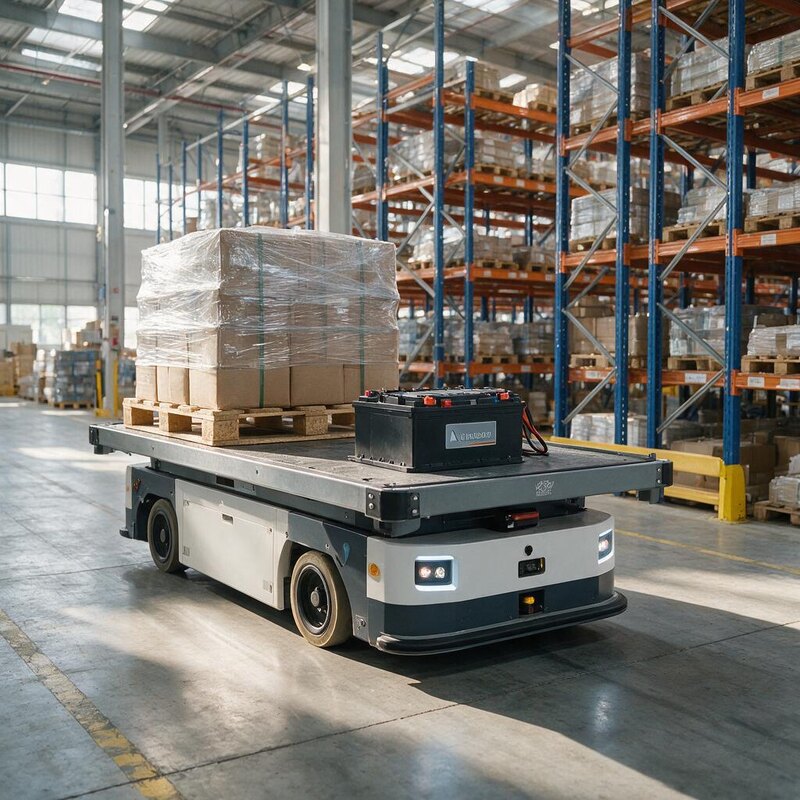
What Logistics Warehouse AGV Battery Covers
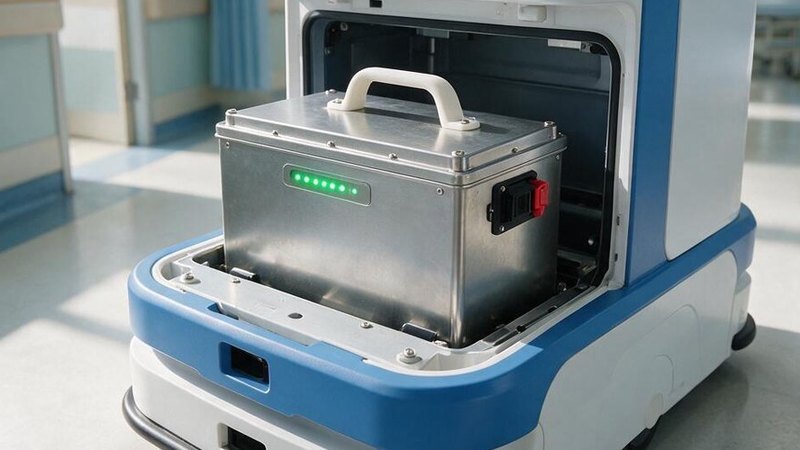
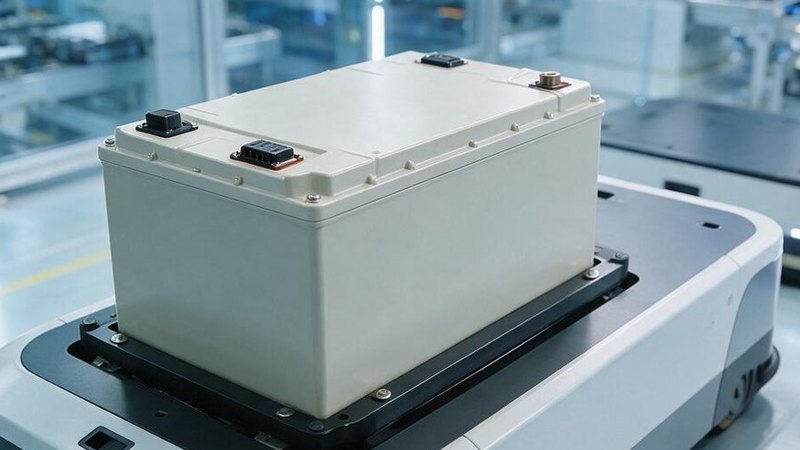
Lead-acid AGV batteries face three structural issues: 2–4 hour charge times (effective uptime only 60–70%), 300–500 cycle life (1–2 year replacement), and acid mist requiring separate ventilation. Early adopters of lithium see uptime +30% and 5-year TCO −60%. PLB builds warehouse AGV packs on self-developed 26650 LiFePO₄ cells with an in-house BMS: 25.6V systems, CAN bus communication, ±3% SOC in service and a mechanical envelope that matches common robot bays.
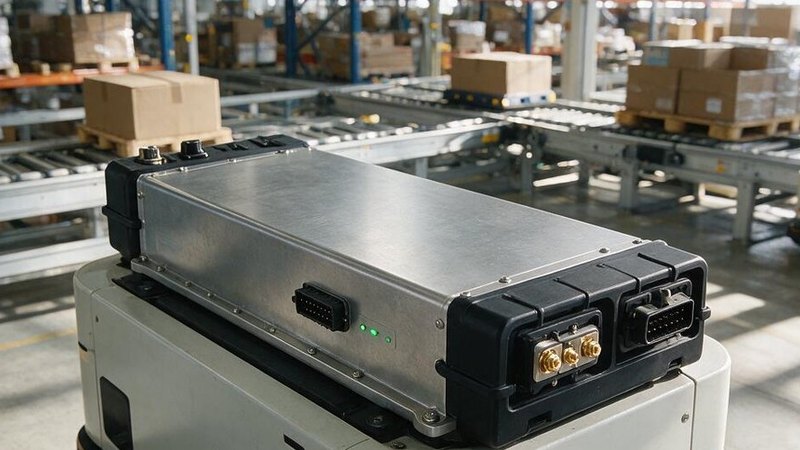
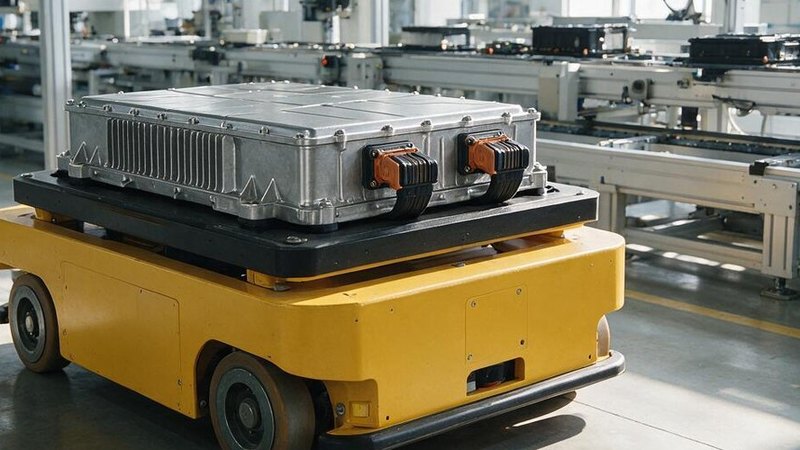
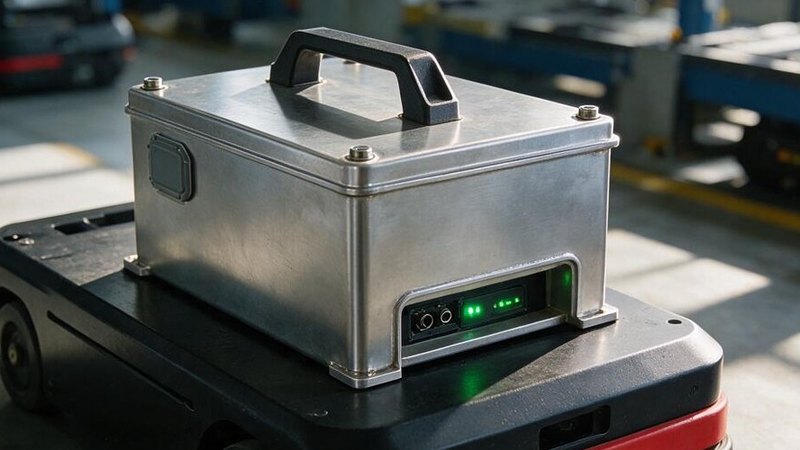
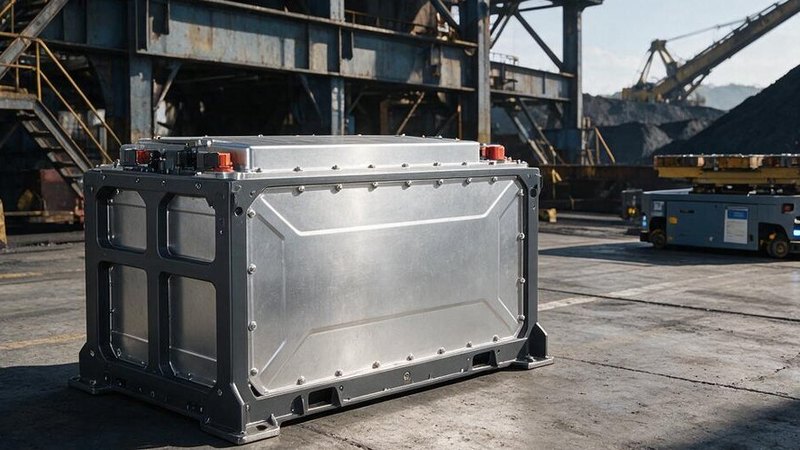
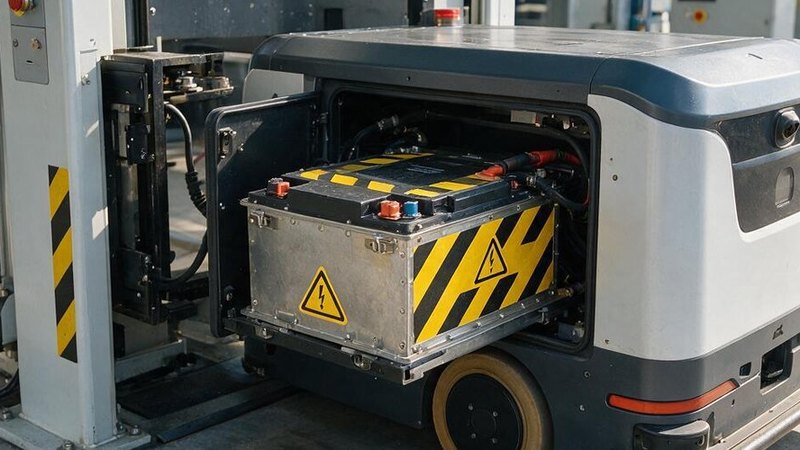
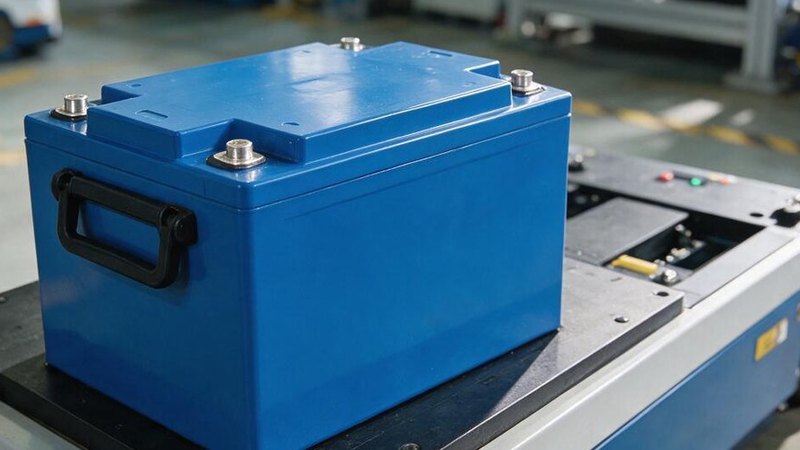
Professional Battery Solutions
Lead-Acid Replaced Every 1-2 Years — Have You Calculated 5-Year TCO?
Lead-acid AGV battery cycle life is only 300–500 cycles — one to two years in intensive warehousing. Multiply 100 AGVs by ¥3,000–5,000 per replacement by three to five replacements over five years, then add labor (¥500 per unit per swap) and downtime (4–8 hours per AGV per swap). The 5-year TCO far exceeds the initial purchase price.
5-year battery TCO reduced 60%+, with the initial premium recovered in 18 months. PLB cells deliver 2,000+ cycles — a 100-AGV fleet needs zero battery replacements in five years. Lead-acid 5-year TCO is roughly ¥800K-1.2M against PLB's ~¥350K: a saving of ¥450K-850K.
| Lead-acid | PLB lithium | |
|---|---|---|
| Cycle life | 300-500 | 2,000+ |
| Replacements in 5 years (100 AGVs) | 3-5 times | Zero |
| 5-year TCO (100 AGVs) | ¥800K-1.2M | ~¥350K |
| Downtime per swap | 4–8 hours | None |
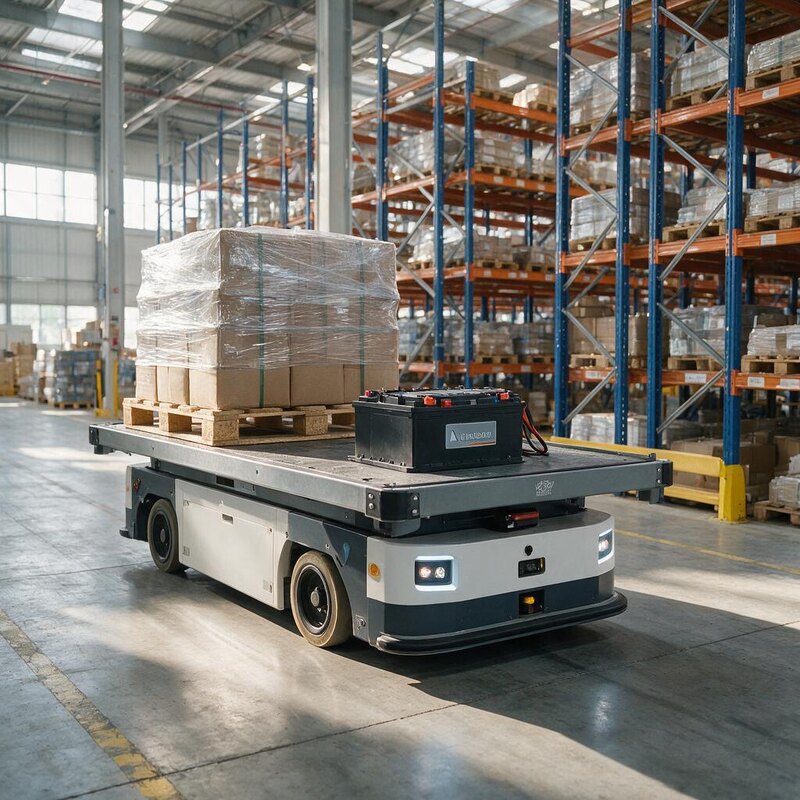
AGV Uptime Dragged Down by Charge Time — Where's the Warehouse Capacity Bottleneck?
The pain is specific: AGV Uptime Dragged Down by Charge Time — Where's the Warehouse Capacity Bottleneck? In daily operation, lead-acid or manually managed packs lose capacity between scheduled checks, maintenance teams cannot inspect every unit, and the failure surfaces only when the load is already at risk.
AGV uptime from 60% to 90%+. 1-hour fast charge means AGVs use break times and shift changes to charge — 2-3 extra hours daily. PLB's LiFePO₄ pack and BMS monitor cell voltage, temperature and SOC continuously, alert before a weak cell becomes a failure, and are sized to the application's load profile.
| Conventional / manual | PLB LiFePO₄ | |
|---|---|---|
| Monitoring | Periodic checks | Continuous BMS |
| Fault warning | At failure | Threshold alerts |
| Maintenance | Scheduled visits | Exception-based |
| Service life | 2–3 years | 6,000+ cycles |
How accurate is the state of charge the fleet system sees?
If SOC drifts, robots are pulled out of service too early or strand mid-aisle. Voltage-based estimation is unreliable on a flat LiFePO₄ curve, so a naive BMS reports numbers the traffic system cannot act on.
The PLB BMS uses coulomb counting with voltage and temperature compensation, typically within ±3% SOC in service, and reports through CAN bus or RS485 so the fleet manager can schedule charging with confidence.
| Simple BMS | PLB BMS | |
|---|---|---|
| SOC method | Voltage estimate | Coulomb counting + compensation |
| Accuracy | Drifts 10%+ | Typically ±3% |
| Interface | Analogue / none | CAN bus · RS485 |
Solution Advantages
1-Hour Fast Charge
AGV uptime from 60% to 90%+
Charge during lunch breaks and shift handover — 2-3 extra operating hours every day.
+1,000 orders/day at peak · No extra AGVs in peak seasonZero Maintenance
No water, no ventilation, no inspection
Zero acid mist and zero water refilling — no separate charging area required.
¥150,000–250,000 maintenance saved over 5 years · Frees up laborLong Life
2000+ cycles, 5-year zero replacement
Zero replacements over 5 years; TCO down 60%+.
100-AGV fleet saves ¥450,000–850,000 over 5 yearsProtocol Ready
CAN/RS485 standard, SOC/temperature/alarms
Standard CAN protocol integrates seamlessly with the AGV fleet controller.
1-week commissioning · Verified on mainstream WMSFrom Selection to After-Sales — PLB Stays With You
Four commitments that apply to every page in this category, from the first technical question to long-term support.

Technical Selection Support
Engineer recommends within 24 hours
Tell us the robot duty cycle, charge window and bay dimensions — our engineers size the pack and recommend the model within 24 hours.
Dedicated technical team · 24-hour response
OEM / ODM Customization
From cell to pack, fully customizable
From cells, BMS, housing and terminals to the nameplate, everything can be customized.
4–8 week customization · Tooling development supported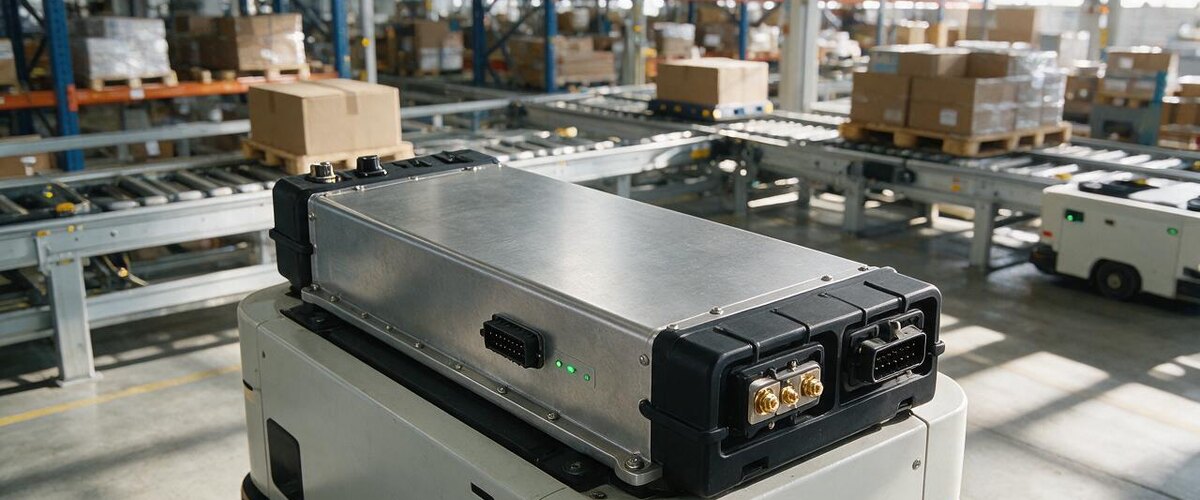
Global Shipping
Export to 100+ countries
Export-compliant packaging with UN 38.3 air transport certification and worldwide delivery.
UN 38.3 certified · MSDS available · Export compliant
Warranty & Support
Standard warranty, lifetime support
Standard products carry a full warranty, backed by lifetime technical support.
Warranty terms on request · Lifetime technical supportWhy Choose PLB?
Years of Manufacturing
Founded in Dongguan, China in 2014
Countries Served
Export-compliant packaging and worldwide delivery
Voltage Platforms
From 25.6V to 512V, built on the same cell platform
After-Sales Rate
Monitored by the internal quality traceability system
Full Range & Model Selection
Complete product range and model selection — lightweight packs for goods-to-person robots, high-current packs for forklift AGVs and low-temperature versions for freezers.
| Model | Voltage | Capacity | Continuous current | Typical robot | Applications |
|---|---|---|---|---|---|
| 25.6V 40Ah | 25.6V | 40Ah | 60A | Goods-to-person AGV | E-commerce picking · sorting |
| 25.6V 60Ah | 25.6V | 60Ah | 80A | AMR with manipulator | Assembly feeding · hospital logistics |
| 51.2V 100Ah | 51.2V | 100Ah | 150A | Forklift AGV | Pallet handling · 1–1.5t lift |
| 80V 200Ah | 80V | 200Ah | 250A | Heavy forklift AGV | Port · steel coil · 2t+ lift |
| D-25.6V 40Ah | 25.6V | 40Ah | 60A | Freezer AGV | Cold chain · −20 °C operation |
By robot type: Goods-to-person AGV → 25.6V 40Ah.
By environment: Ambient warehouse → standard series.
Not sure? Send us the duty cycle and charge window — our engineers will size the pack directly.
Frequently Asked Questions
The questions AGV and AMR integrators ask most about LiFePO₄ robot packs in the Warehouse AGV scenario — 25.6V (system voltage) and 2,000+ (deep cycles), and what it takes to qualify.
What has to change on the robot before a LiFePO₄ pack goes into the Warehouse AGV scenario?
Packs are built to the robot bay envelope, system voltage and connector, with CAN bus and RS485 as standard and an outline matched to common robot bays. For Warehouse AGV builds the range starts at 25.6V 40Ah and 25.6V 60Ah, specified at 25.6V (system voltage).
Does output stay flat through a whole Warehouse AGV shift?
LiFePO₄ accepts partial charging without a memory effect, so the robot tops up at every idle window instead of waiting for a full overnight cycle. Key figure: 40–60Ah (capacity range).
How is the pack sealed and thermally managed in Warehouse AGV duty?
Charging is blocked below freezing to prevent lithium plating, and sealed housings keep dust and washdown water out of the pack. Endurance: 2,000+ (deep cycles).
Is a special charger needed in the Warehouse AGV scenario?
Opportunity charging is supported and the BMS manages current at each idle window, so a dedicated charging room is not required.
What warranty and after-sales support apply in the Warehouse AGV scenario?
Standard products carry a full warranty backed by lifetime technical support, with terms confirmed on the quotation; export packing is UN 38.3-certified with MSDS. Tell us the robot duty cycle, charge window and bay dimensions — our engineers size the pack and recommend the model within 24 hours.
Need a Selection Recommendation?
Tell us the duty cycle, charge window and bay size — our engineers will recommend the matching battery within 24 hours.
NDA available upon request · Typical response within 12 hours