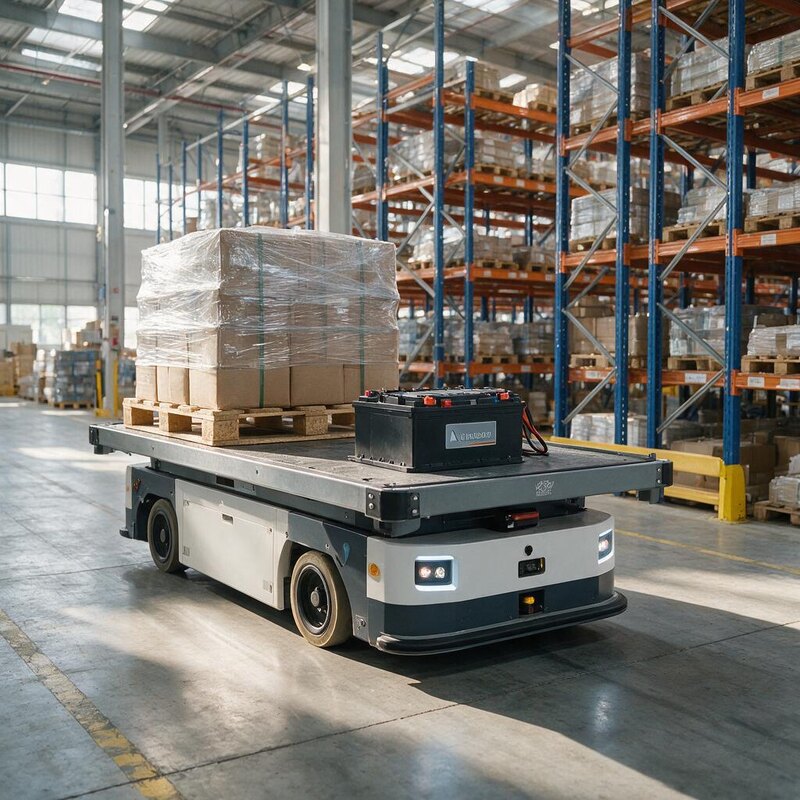
What AGV Battery Swapping Covers
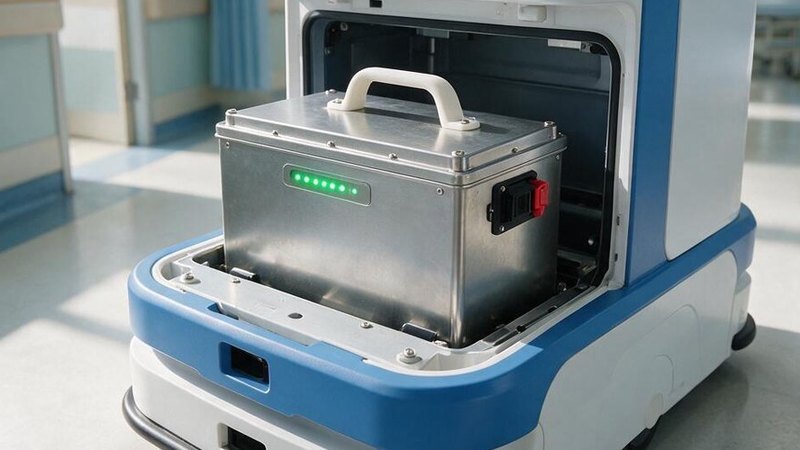
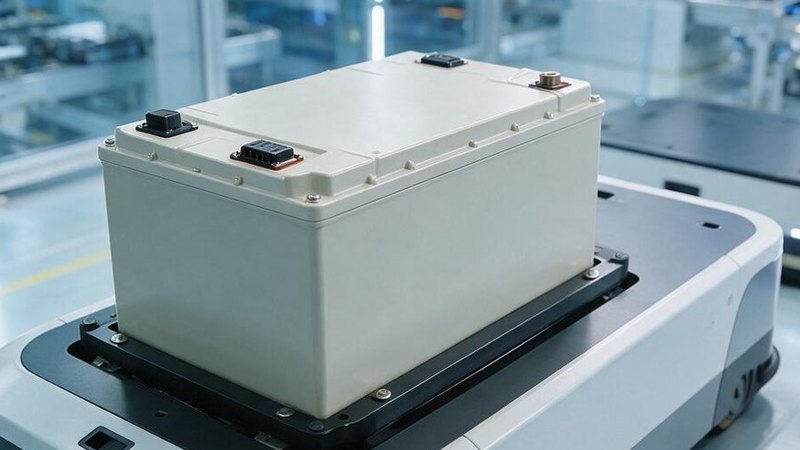
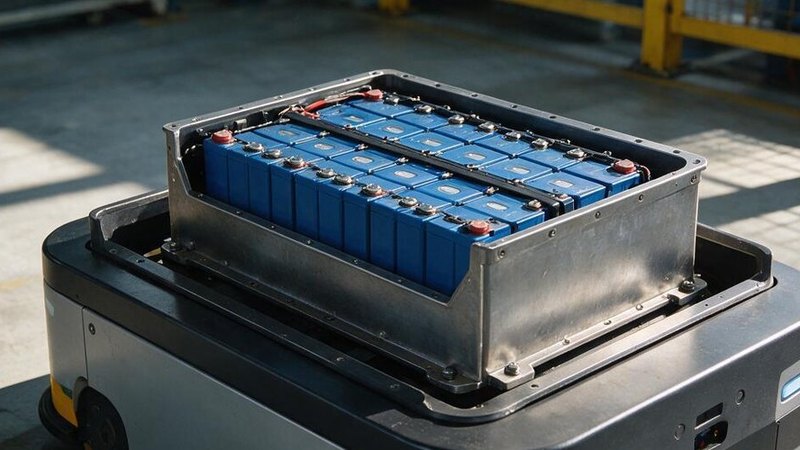
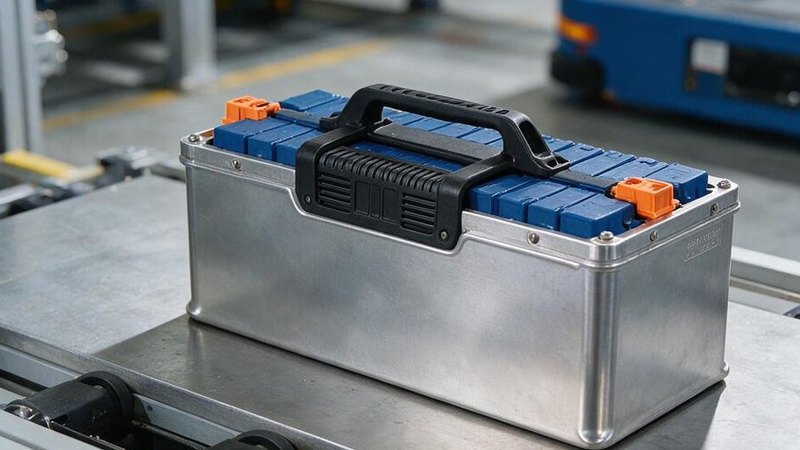
Emerging solution: "quick swap" — AGV swaps battery in 60 seconds, depleted battery charges at station. But swap mode demands: modular design (quick disconnect/reconnect), connector durability (swaps several times daily, 1000+ insertions/year), consistency (different packs perform identically, AGV is pack-agnostic). PLB quick-swap: 60-second swap, 5000+ insertion cycles, inter-pack consistency 99%+.
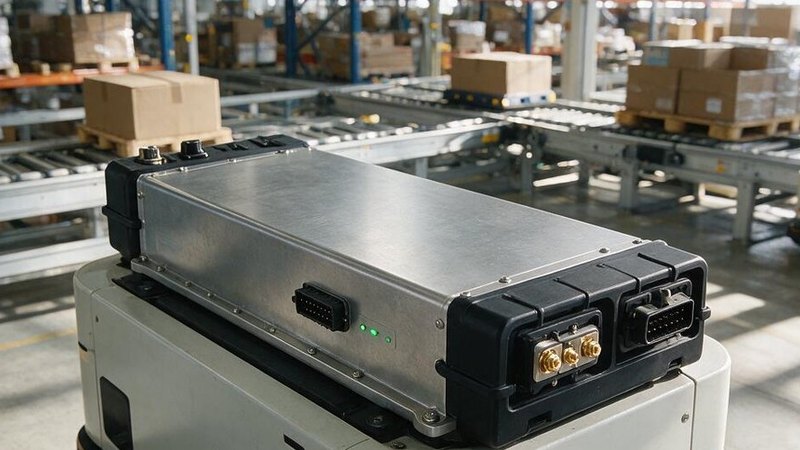
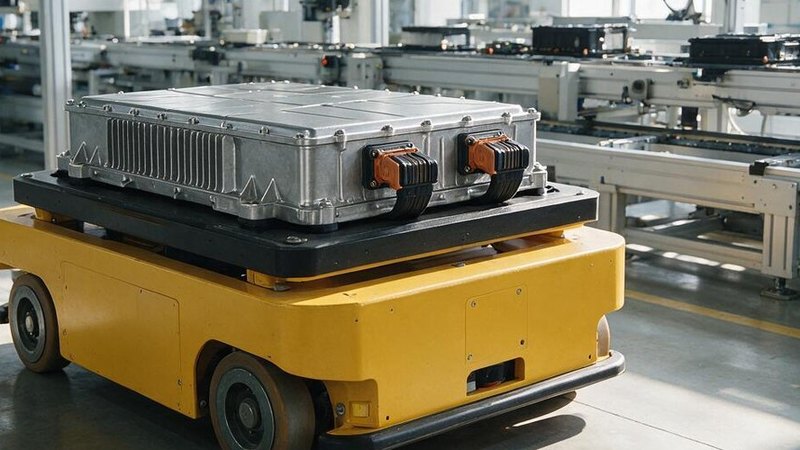
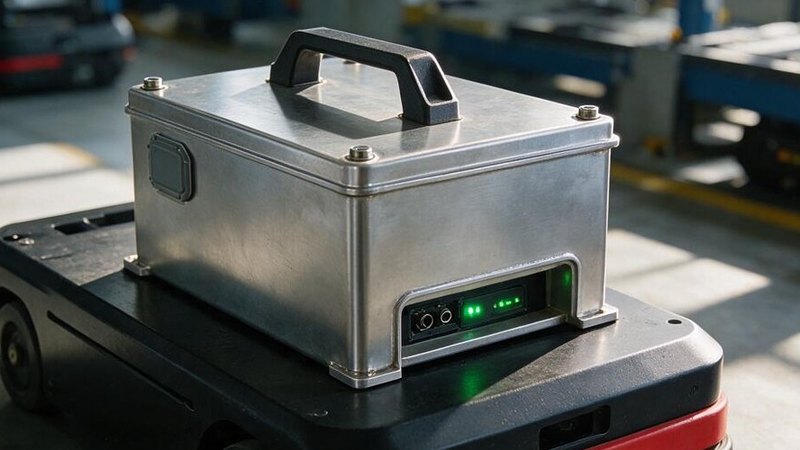
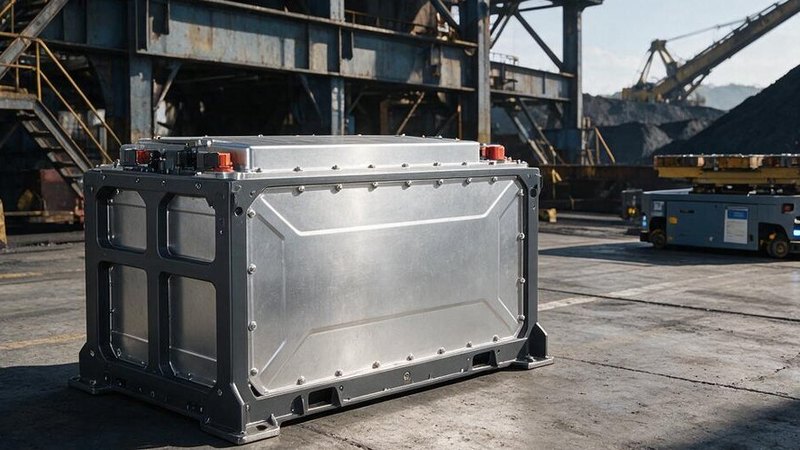
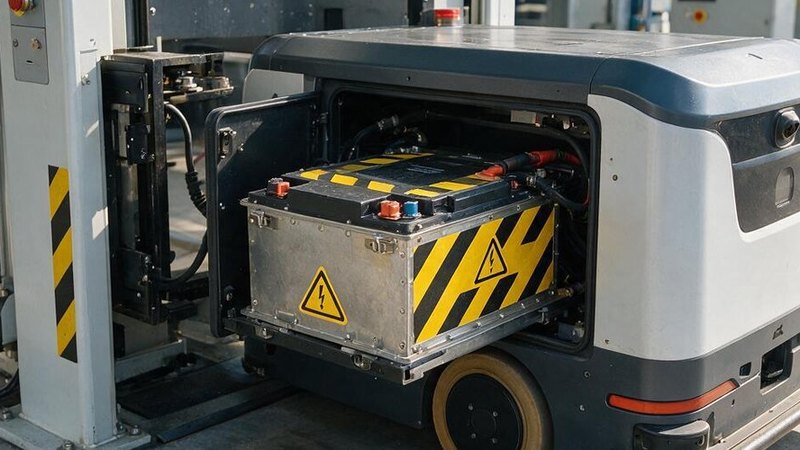
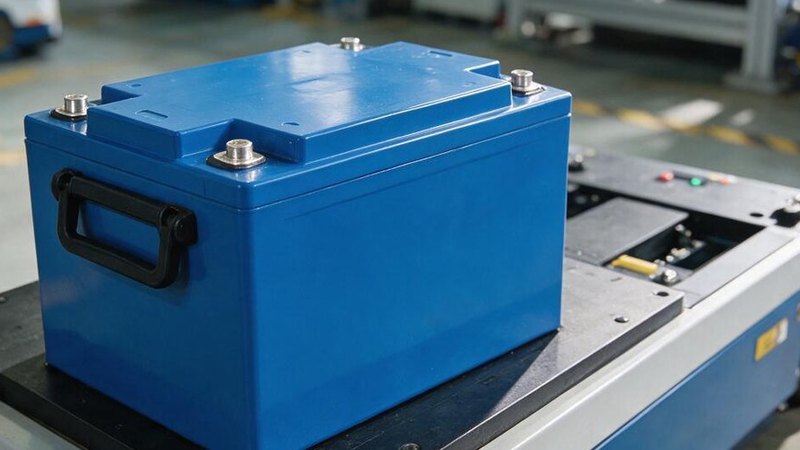
Professional Battery Solutions
AGV Zero Downtime — How Does 60-Second Swap Work?
24/7 AGV charging requires 1+ hours downtime — peak season one hour capacity loss can reach tens of thousands. Charging creates scheduling "gaps" — other AGVs can't substitute. "Opportunity charging" has limited results — connector wear, limited power.
60-second swap vs 1-hour charge — AGV gains 400+ hours annual runtime. Modular design + quick-connect interface, 60-second auto swap. Swapped batteries charge slowly (gentler on cells). At ¥500K annual output per AGV, runtime increase adds ¥100–150K/unit/year.
| Charging in place | PLB swap system | |
|---|---|---|
| Swap time | 60–120 minutes of charging | 60 seconds |
| Annual operating hours | Baseline | 400+ more |
| Fleet utilisation | 75–80% | 95%+ |
| Annual output | Baseline | ¥100,000–150,000 more per AGV |
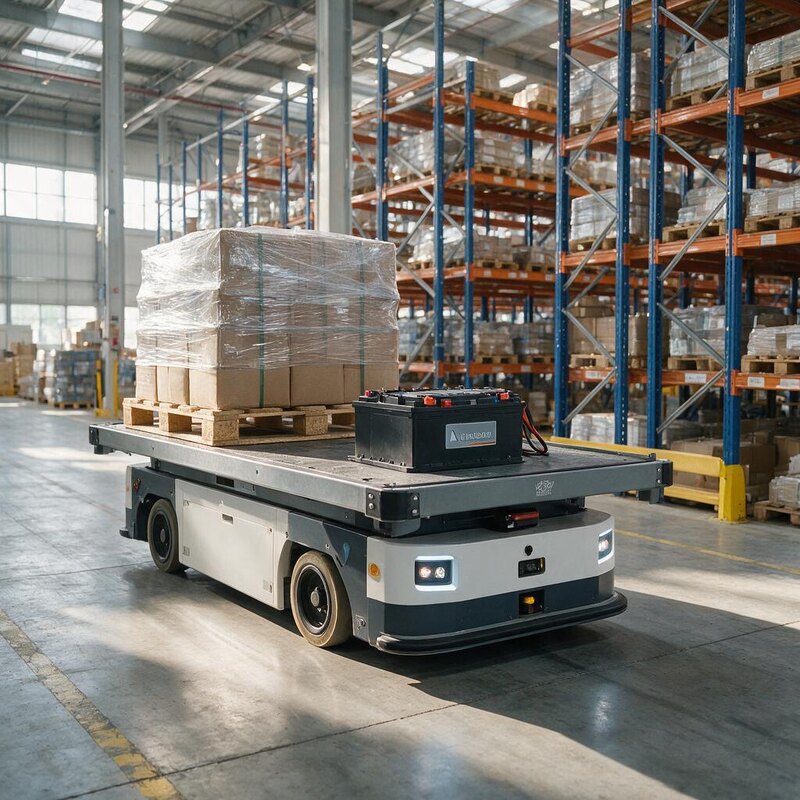
Connector Plugged Daily — Is Lifespan Sufficient?
The pain is specific: Connector Plugged Daily — Is Lifespan Sufficient? In daily operation, lead-acid or manually managed packs lose capacity between scheduled checks, maintenance teams cannot inspect every unit, and the failure surfaces only when the load is already at risk.
5,000+ insertion cycle connector lifespan; 5 years zero replacement. PLB's LiFePO₄ pack and BMS monitor cell voltage, temperature and SOC continuously, alert before a weak cell becomes a failure, and are sized to the application's load profile.
| Conventional / manual | PLB LiFePO₄ | |
|---|---|---|
| Monitoring | Periodic checks | Continuous BMS |
| Fault warning | At failure | Threshold alerts |
| Maintenance | Scheduled visits | Exception-based |
| Service life | 2–3 years | 6,000+ cycles |
Swapped Battery Performance Inconsistent — AGV "Picky" About Packs?
Quick swap means AGV uses different packs daily. If capacity, resistance, SOC are inconsistent — BMS recalibration needed, dispatch system recalculates. Severe cases: AGV "doesn't recognize" new battery, requiring manual intervention. Poor consistency is the biggest barrier to swap model adoption.
99%+ inter-pack consistency; AGV performance identical regardless of which pack. 100% factory matching — capacity <2%, resistance <2mΩ, SOC <3%. Standardized BMS data — no recalibration needed, instant swap-and-go. Tested: 50 packs rotating, AGV performance variation <1%.
| Generic batteries | PLB matched packs | |
|---|---|---|
| Pack consistency between units | 85–90% | 99%+ |
| Calibration after swap | Required | Not required |
| Manual intervention rate | 5–10% | Under 1% |
| AGV performance variation | Noticeable | Under 1% |
Solution Advantages
60 60-Second Swap
Modular quick-connect design
Sixty-second swaps keep AGVs running, adding more than 400 operating hours a year and lifting utilisation above 95% with automatic swap stations.
Automatic swap station · Utilisation above 95%Military Connector
5000+ insertion cycles
Military-grade connectors with gold contacts last five years without replacement and keep contact resistance stable.
Gold contacts · Zero maintenance costInter-Pack Match
99%+ consistency
100% matched and tested packs are ready to use straight after a swap with no calibration, holding AGV performance variation under 1%.
100% matched tested · No calibration neededSwap System
Battery + station + scheduling
An integrated system of swap stations, packs and BMS scheduling is plug-and-charge with automatic dispatch and full traceability.
Plug and charge · Automatic dispatch · TraceableFrom Selection to After-Sales — PLB Stays With You
Four commitments that apply to every page in this category, from the first technical question to long-term support.

Technical Selection Support
Engineer recommends within 24 hours
Tell us the robot duty cycle, charge window and bay dimensions — our engineers size the pack and recommend the model within 24 hours.
Dedicated technical team · 24-hour response
OEM / ODM Customization
From cell to cabinet, fully customizable
From cells, BMS, housing and terminals to the nameplate, everything can be customized.
4–8 week customization · Tooling development supported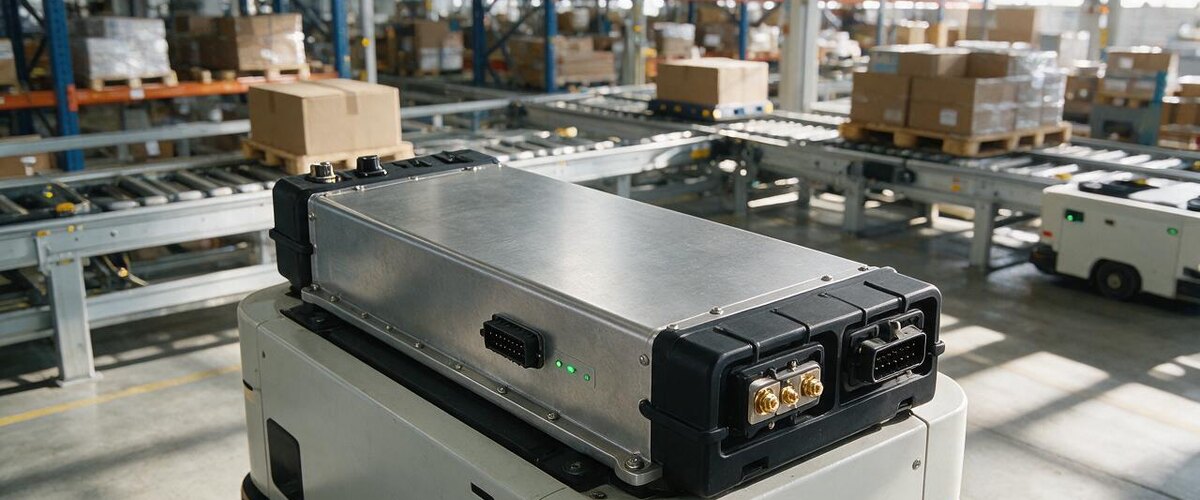
Global Shipping
Export to 100+ countries
Export-compliant packaging with UN 38.3 air transport certification and worldwide delivery.
UN 38.3 certified · MSDS available · Export compliant
Warranty & Support
Standard warranty, lifetime support
Standard products carry a full warranty, backed by lifetime technical support.
Warranty terms on request · Lifetime technical supportWhy Choose PLB?
Years of Manufacturing
Founded in Dongguan, China in 2014
Countries Served
Export-compliant packaging and worldwide delivery
Voltage Platforms
From 25.6V to 512V, built on the same cell platform
After-Sales Rate
Monitored by the internal quality traceability system
Full Range & Model Selection
Complete product range and model selection — lightweight packs for goods-to-person robots, high-current packs for forklift AGVs and low-temperature versions for freezers.
| Model | Voltage | Capacity | Continuous current | Typical robot | Applications |
|---|---|---|---|---|---|
| 25.6V 40Ah | 25.6V | 40Ah | 60A | Goods-to-person AGV | E-commerce picking · sorting |
| 25.6V 60Ah | 25.6V | 60Ah | 80A | AMR with manipulator | Assembly feeding · hospital logistics |
| 51.2V 100Ah | 51.2V | 100Ah | 150A | Forklift AGV | Pallet handling · 1–1.5t lift |
| 80V 200Ah | 80V | 200Ah | 250A | Heavy forklift AGV | Port · steel coil · 2t+ lift |
| D-25.6V 40Ah | 25.6V | 40Ah | 60A | Freezer AGV | Cold chain · −20 °C operation |
By robot type: Goods-to-person AGV → 25.6V 40Ah.
By environment: Ambient warehouse → standard series.
Not sure? Send us the duty cycle and charge window — our engineers will size the pack directly.
Frequently Asked Questions
The questions AGV and AMR integrators ask most about LiFePO₄ robot packs in the Battery Swapping scenario, and what it takes to qualify.
Which pack fits the Battery Swapping robot already in service?
Packs are built to the robot bay envelope, system voltage and connector, with CAN bus and RS485 as standard and an outline matched to common robot bays. Typical models for Battery Swapping builds are AGV-SW series and AGV-SW series (matched).
How much usable capacity does the pack deliver across a shift in Battery Swapping service?
LiFePO₄ accepts partial charging without a memory effect, so the robot tops up at every idle window instead of waiting for a full overnight cycle.
Will the pack survive Battery Swapping conditions for its full service life?
Charging is blocked below freezing to prevent lithium plating, and sealed housings keep dust and washdown water out of the pack.
How does the pack connect to the charger and control system in the Battery Swapping scenario?
CAN bus and RS485 report SOC, voltage, current and temperature to the fleet manager, with SOC accuracy high enough for charge scheduling.
Can the pack be customized for the Battery Swapping application and certification file?
Cells, BMS, housing, terminals and nameplate are customizable. Custom packs take 4–8 weeks including tooling. Tell us the robot duty cycle, charge window and bay dimensions — our engineers size the pack and recommend the model within 24 hours.
Need a Selection Recommendation?
Tell us the load, backup time and installation space — our engineers will recommend the matching battery within 24 hours.
NDA available upon request · Typical response within 12 hours