What Data Center & Server Room UPS Battery Covers
Drivers are clear: MLPS 2.0 / GB 50174 increasingly strict on backup duration and smart monitoring; lead-acid's 3-year degradation and ¥8,000+/year maintenance cost model no longer works. For IT directors and data center operations leads, the question isn't "whether to switch" but "which supplier, how fast, and what's the TCO." PLB, founded 2014 with 12+ years of LiFePO₄ R&D, provides 2C high-rate UPS batteries with 15-min full-load backup, 10-year maintenance-free life, and 40% lower TCO than lead-acid. Compatible with 99% of mainstream UPS hosts. Exported to 100+ countries, <0.1% failure rate.
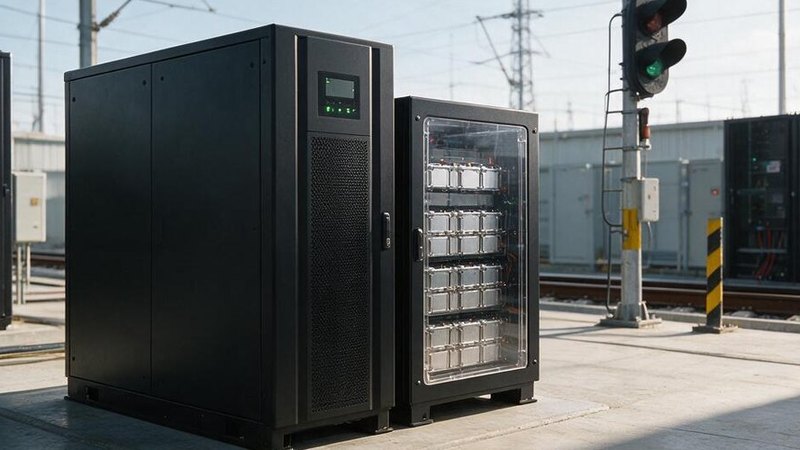
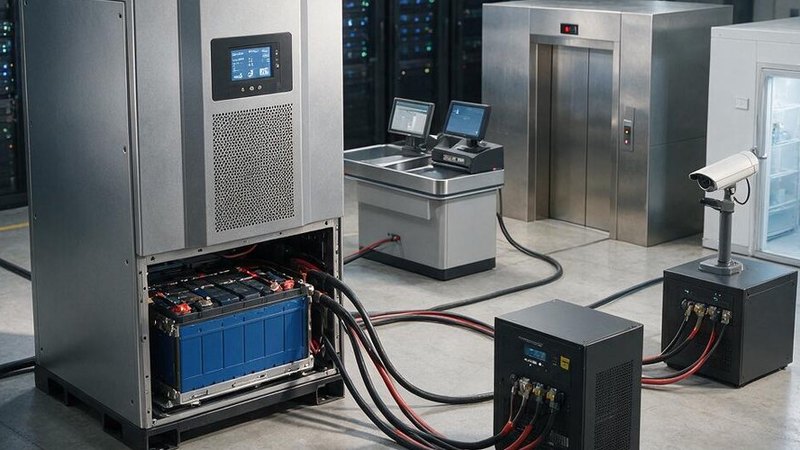
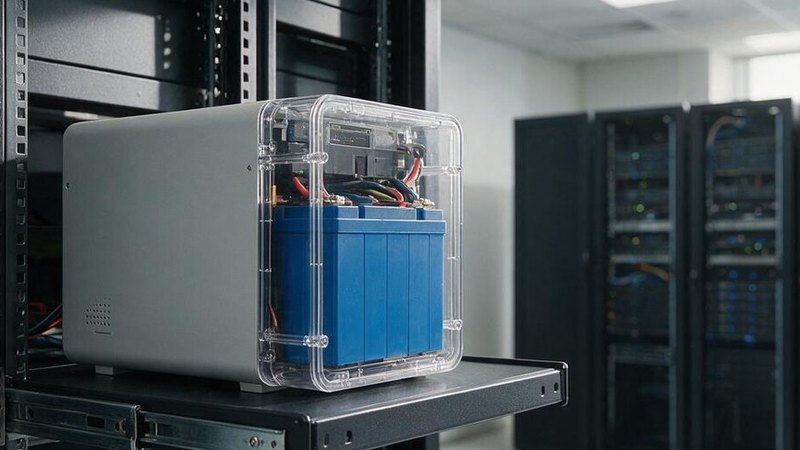
What Breaks with Lead-Acid in the Data Hall
Five problems every data center facility manager faces — and why switching to LiFePO₄ is no longer optional.
Who Covers the 15-Min Gap Before Generator Starts? One Outage Costs ¥1M+
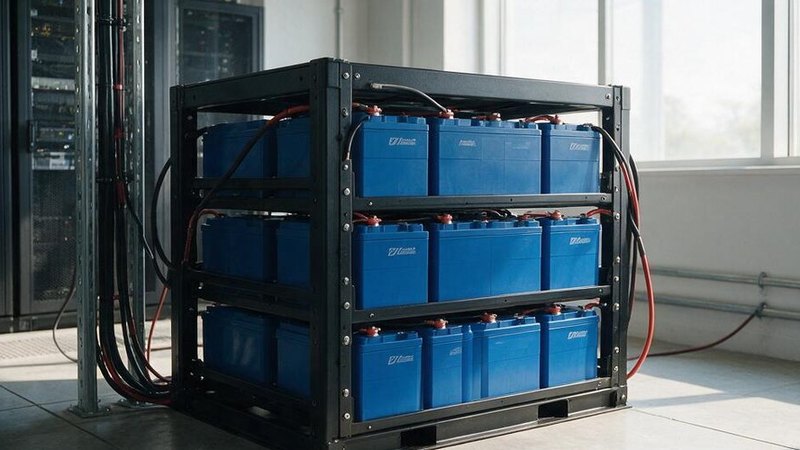
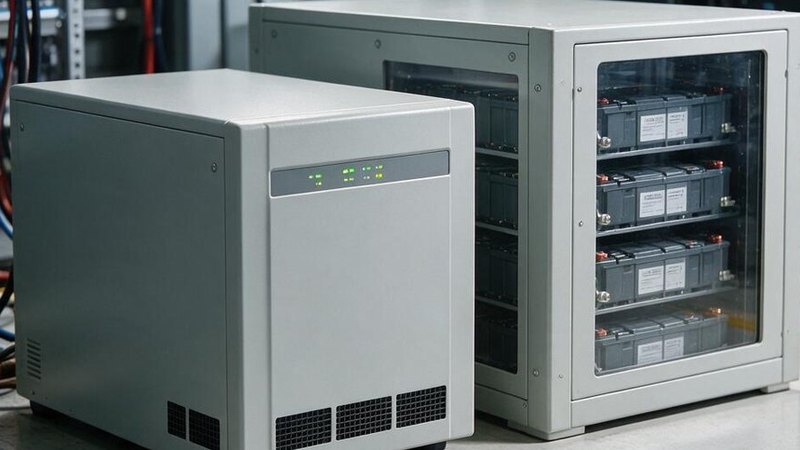
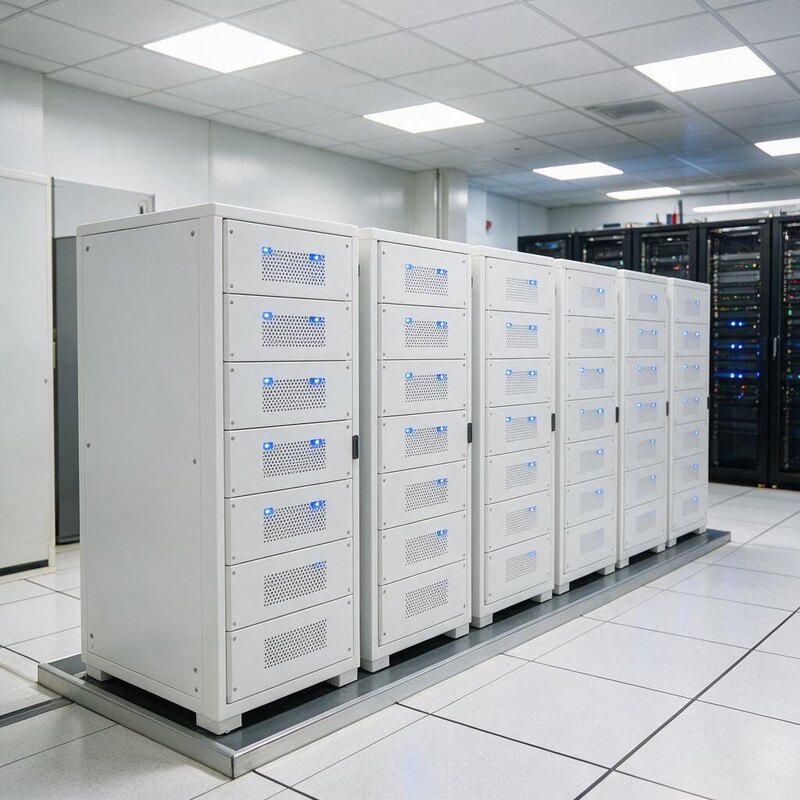
From grid failure to full generator startup takes 10–15 minutes. The industry's open secret: lead-acid rated for a 15-min backup actually delivers only 60-70% after two years, so it cannot bridge the gap. One outage's direct loss plus SLA penalties and brand-trust damage far exceeds the battery price difference. Lead-acid needs four parallel groups for a 15-min backup, occupying 2.4㎡ and costing ¥8,000/year in maintenance.
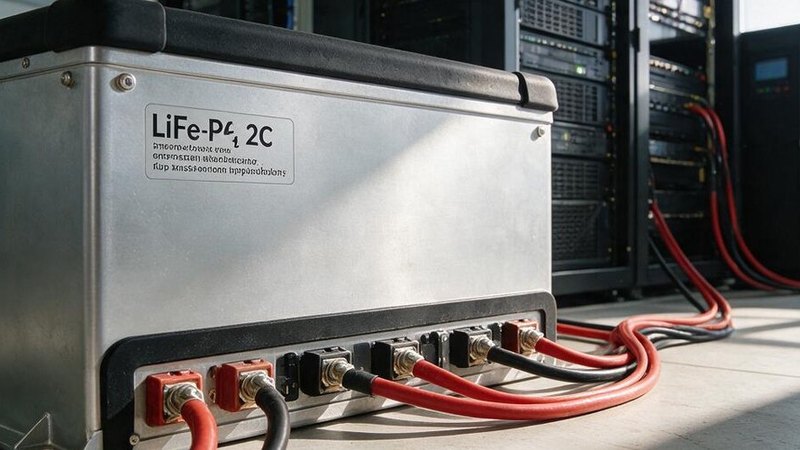
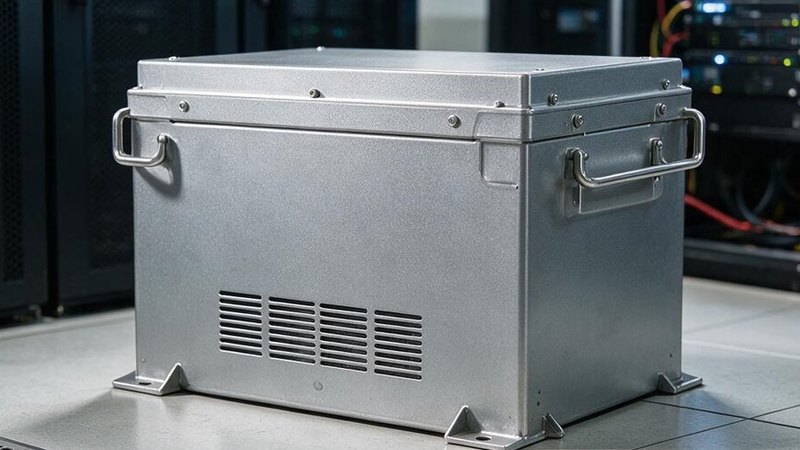
Annual maintenance from ¥8,000 to ¥0; 5-year TCO 40% lower than lead-acid. The PLB LL-UPS48100 supports 2C continuous discharge, so one unit achieves a 15-min full-load backup. BMS with generator interlock, response <10ms. Only one third the volume of lead-acid (0.6㎡).
| Lead-acid | PLB lithium | |
|---|---|---|
| Groups for 15-min backup | 4 parallel strings | 1 unit |
| Footprint | 2.4㎡ | 0.6㎡ |
| Annual maintenance | ¥8,000 | ¥0 |
| 5-year TCO | Baseline | 40% lower |
3 Staff Managing 500 Servers — How to Handle Battery Inspection Overload?
Managing 500 servers means hundreds of battery strings spread across multiple racks and rooms. Three technicians still spend two days each quarter walking the floor with a multimeter, while a weak string can fail between inspections and trigger an unplanned transfer. Paper logs are incomplete, so audits and warranty claims take days.
Every PLB module reports cell voltage, temperature, SOC and SOH to one BMS dashboard. Threshold alerts arrive before a string fails, so inspection becomes an exception-based check instead of a quarterly walk.
| Manual inspection | PLB BMS | |
|---|---|---|
| Inspection frequency | Quarterly walk | Continuous, 24/7 |
| Technician time | 2 days/quarter | 0.1 day/quarter |
| Fault detection | At inspection | Threshold alerts |
| Audit data | Paper logs | Auto-exported |
MLPS 2.0 Has Strict UPS Requirements — How to Pass Compliance First Try?
MLPS 2.0 Level 3+ requires ≥15 min UPS backup with battery monitoring and fault alerting. In reality lead-acid drops below 60% after three years, forcing emergency battery replacement before each audit at ¥15,000–30,000. Many companies scramble every year, and even newly replaced batteries may not be fully charged by audit day. Lacking smart monitoring is the biggest audit vulnerability.
No more emergency pre-audit battery swaps — compliance cost drops from ¥15–30K per three years to zero. ≥90% backup retention over a 10-year life. The BMS auto-logs all data and exports a one-click compliance report, so auditors see the data directly and approval comes first try.
| Lead-acid | PLB lithium | |
|---|---|---|
| Retention after 3 years | Below 60% | ≥90% over 10 years |
| Pre-audit battery swap | ¥15,000–30,000 each time | Not required |
| Compliance data | Manual records | Auto-logged, one-click export |
| Monitoring & alerting | None | BMS fault alerting |
No Room for Expansion — What About Those Heavy, Bulky Lead-Acid Batteries?
Legacy server rooms allocated large battery cabinets for lead-acid. Now adding IT equipment but battery cabinets consume half a rack slot. Procurement fears three things: insufficient backup, UPS incompatibility, and downtime during retrofit. Traditional expansion requires 2–3 days of downtime — business interruption losses exceed renovation costs. Many data centers delay switching, falling further behind.
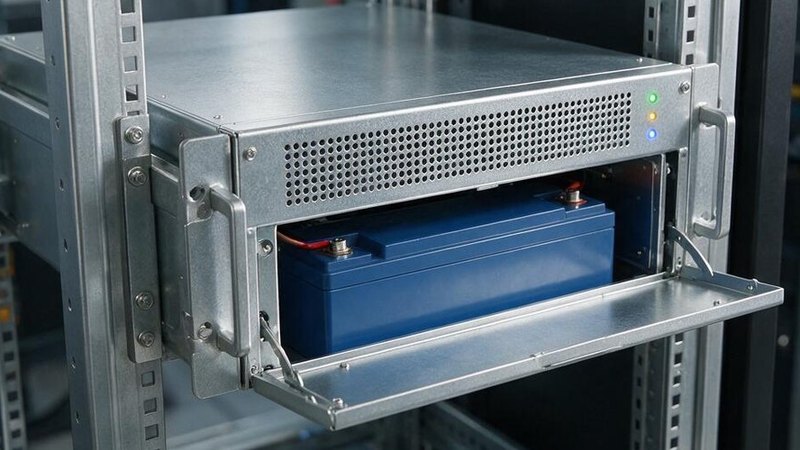
Complete replacement in 4 hours, zero business interruption, free up 70% battery cabinet space for IT expansion. Compatible with 99% of mainstream UPS hosts (APC, Schneider, Huawei, Eaton). Hot-swappable online replacement. No downtime approval needed.
| Lead-acid string | PLB lithium | |
|---|---|---|
| Footprint | Larger, floor-loaded | Rack-mounted 19" |
| Weight | 3–4× heavier | About 1/3 |
| Capacity expansion | New string required | Parallel module |
Do the battery and the UPS speak the same protocol?
Backup packs from different suppliers report through different interfaces, so the UPS sees only a voltage and the BMS alarms never reach the monitoring platform. A cell problem is discovered during an outage, not before it.
PLB packs ship with RS485, CAN bus and dry-contact alarm outputs, reporting pack voltage, current, cell temperature, SOC, SOH and protection events. Protocol registers are documented so the UPS and the DCIM platform can read the pack directly, and thresholds can be matched to your alarm matrix.
| Typical pack | PLB pack | |
|---|---|---|
| Interfaces | Voltage only | RS485 · CAN · dry contact |
| Reported data | Pack voltage | Cell V/T · SOC · SOH · alarms |
| Integration | Manual | Documented register map |
How PLB LiFePO₄ Solves Each Pain Point
10-Year Maintenance-Free Life
LiFePO₄ chemistry retains 80%+ capacity for 2,000+ deep cycles
No quarterly discharge tests, no impedance checks, no emergency replacements.
80%+ capacity retention · 10-year design lifeZero Maintenance Staff Time
No float charge degradation, no terminal corrosion
BMS auto-monitors every cell — technicians only respond to alerts, not scheduled checks.
2 technician-days/quarter savedAuto-Logged Compliance Data
BMS records every discharge event, cell voltage, temperature and SOC
Exportable as audit-ready reports via RS485, CAN or SNMP.
One-click MLPS 2.0 / ISO 27001 reports75% Less Floor Space
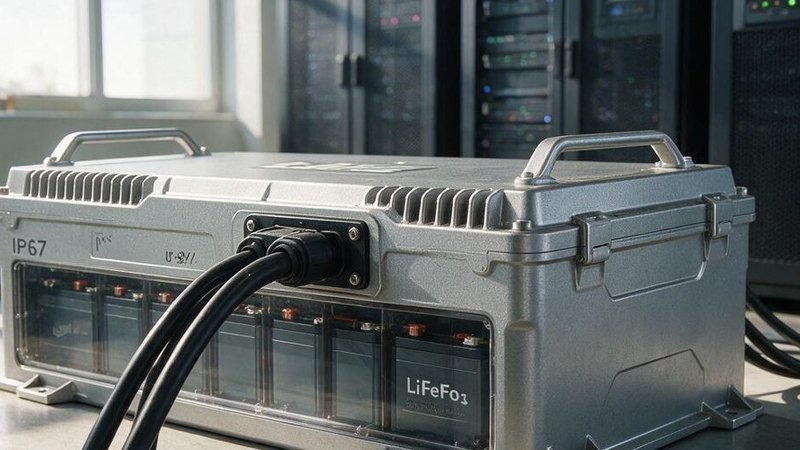
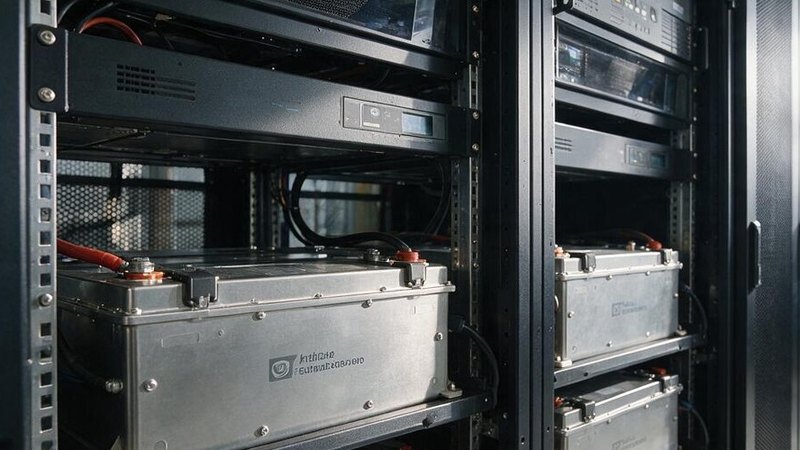
1U–3U 19-inch rack modules replace entire lead-acid battery rooms
Every square meter reclaimed is a rack that can generate MRR.
75% space reduction · revenue per m² restoredFrom Selection to After-Sales — PLB Stays With You
Four commitments that apply to every page in this category, from the first technical question to long-term support.

Technical Selection Support
Engineer recommends within 24 hours
Tell us the load profile, backup time and installation space — our engineers size the pack and recommend the matching model within 24 hours.
Dedicated technical team · 24-hour response
OEM / ODM Customization
From cell to cabinet, fully customizable
From cells, BMS, housing and terminals to the nameplate, everything can be customized.
4–8 week customization · Tooling development supported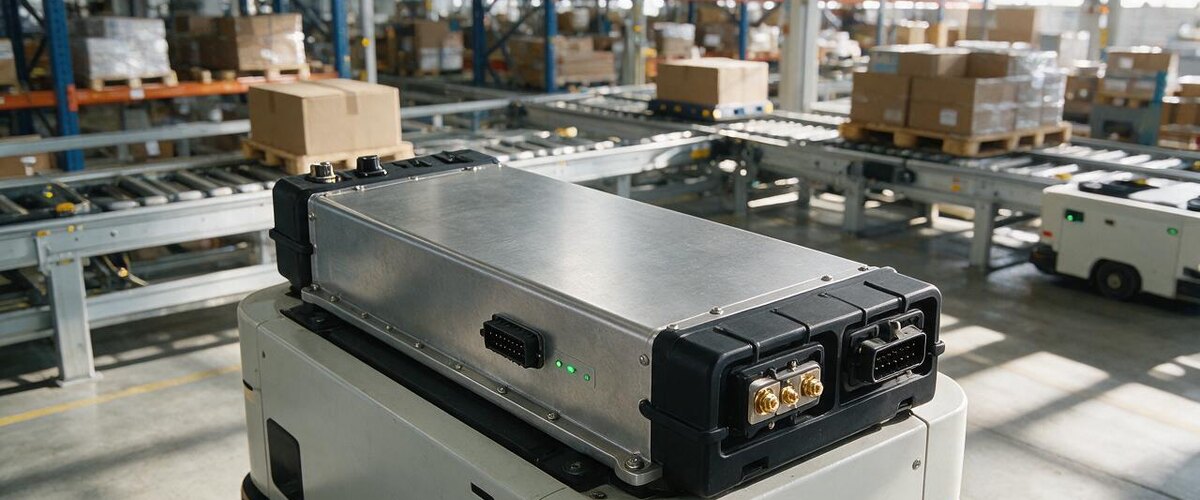
Global Shipping
Export to 100+ countries
Export-compliant packaging with UN 38.3 air transport certification and worldwide delivery.
UN 38.3 certified · MSDS available · Export compliant
Warranty & Support
Standard warranty, lifetime support
Standard products carry a full warranty, backed by lifetime technical support.
Warranty terms on request · Lifetime technical supportWhy Choose PLB?
Years of Manufacturing
Founded in Dongguan, China in 2014
Countries Served
Export-compliant packaging and worldwide delivery
Voltage Platforms
From 25.6V to 512V, built on the same cell platform
After-Sales Rate
Monitored by the internal quality traceability system
Full Range & Model Selection
Complete product range and model selection — rack modules for data halls, cabinet packs for industrial rooms and outdoor packs for telecom sites.
| Model | Voltage | Capacity | Continuous current | Form factor | Applications |
|---|---|---|---|---|---|
| 25.6V 50Ah | 25.6V | 50Ah | 50A | Module | Small control rooms · edge cabinets |
| 25.6V 100Ah | 25.6V | 100Ah | 100A | Module / rack | Industrial UPS · small data rooms |
| 48V 100Ah | 48V | 100Ah | 100A | 19-inch 3U | Telecom sites · edge data centers |
| 51.2V 200Ah | 51.2V | 200Ah | 200A | 19-inch rack | Data center UPS · colocation |
| 512V 100Ah | 512V | 100Ah | 500A | Cabinet | Large UPS rooms · 1–800kVA systems |
By system size: up to 10kVA → 25.6V modules.
By environment: Data hall → 19-inch rack modules.
Not sure? Send us the load profile and required backup time — our engineers will size the system directly.
Frequently Asked Questions
The questions UPS buyers and facilities engineers ask most about LiFePO₄ UPS modules in the Data Center & IDC scenario — 51.2V (nominal voltage) and 200A (continuous discharge), and what it takes to qualify.
Will a PLB pack replace the lead-acid unit in the Data Center & IDC scenario without rework?
Modules are sized to common lead-acid blocks and cabinet voltages (25.6 V, 48 V, 51.2 V, 512 V) with the same terminal layout and 19-inch or cabinet mounting, so the string, breaker and charger settings carry over. For Data Center & IDC builds the range starts at 51.2V 100Ah and 51.2V 200Ah, specified at 51.2V (nominal voltage).
What runtime and output can we expect over a backup window in the Data Center & IDC scenario?
At equal nominal capacity the LiFePO₄ pack delivers roughly 90% usable energy against about 60% for lead-acid, and 2C high-rate discharge covers the short backup window without derating. Key figure: 200A (continuous discharge).
What temperature and ingress rating is specified for the Data Center & IDC scenario?
The standard series is rated −10 °C to 50 °C and the low-temperature D-series −20 °C to 60 °C, with BMS thermal protection in both.
Can the pack report SOC and alarms to monitoring already used in the Data Center & IDC scenario?
RS485, CAN and dry-contact alarms report cell voltage, current, temperature, SOC and alarms to the UPS or site monitoring system.
Which models cover the Data Center & IDC scenario, and how is delivery handled?
Typical models are 51.2V 100Ah and 51.2V 200Ah. Custom packs take 4–8 weeks including tooling, and lead time for standard models is confirmed on the quotation. Tell us the load profile, backup time and installation space — our engineers size the pack and recommend the matching model within 24 hours.
Need a Selection Recommendation?
Tell us the load, backup time and installation space — our engineers will recommend the matching battery within 24 hours.
NDA available upon request · Typical response within 12 hours