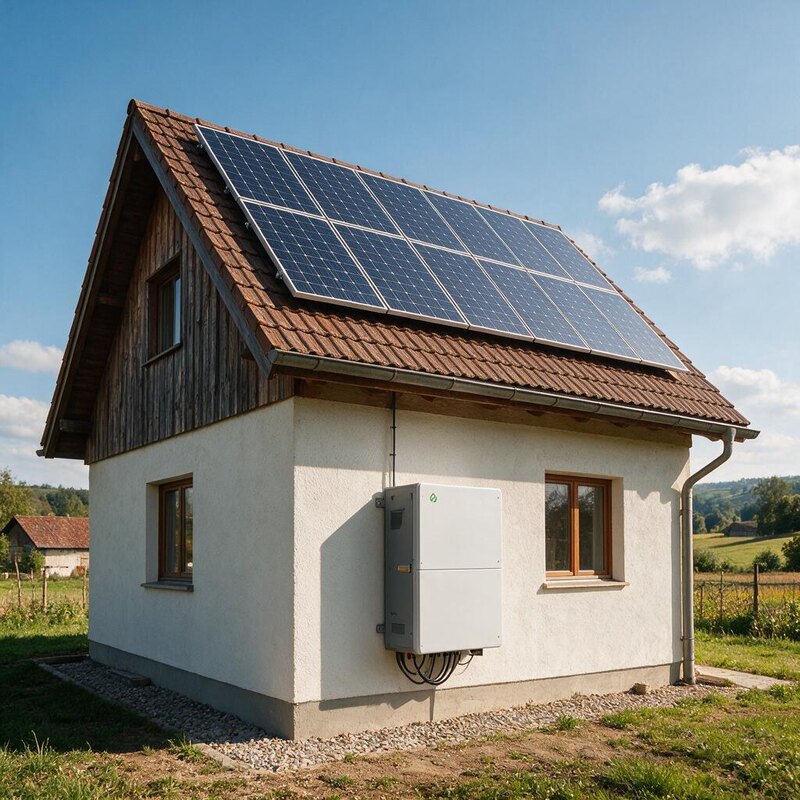
What Telecom Base Station Off-Grid Storage Covers
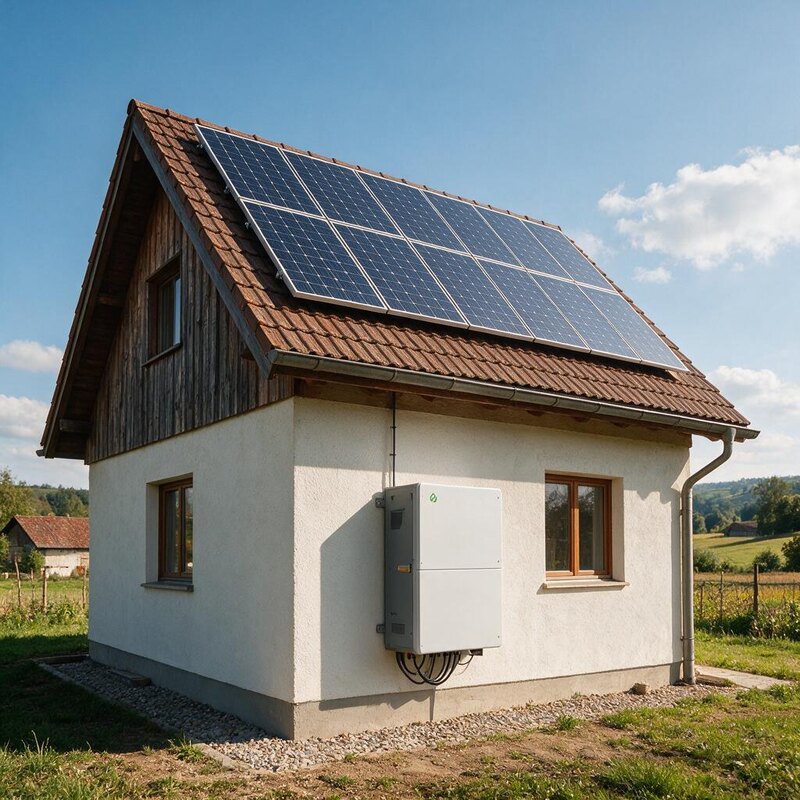
China's three major carriers and China Tower are aggressively pushing "solar replaces diesel" strategy — solar + lithium replacing diesel, targeting 80% remote station coverage within 5 years. Core driver: annual diesel ¥100,000–200,000/station + transport ¥30,000–50,000, 10-year TCO ¥1.75-3.1 million/station. PLB base station: 50kWh+ capacity + 10-year life + operator-grade remote O&M platform, 92% 10-year TCO reduction. Already has cooperation cases with major carriers.
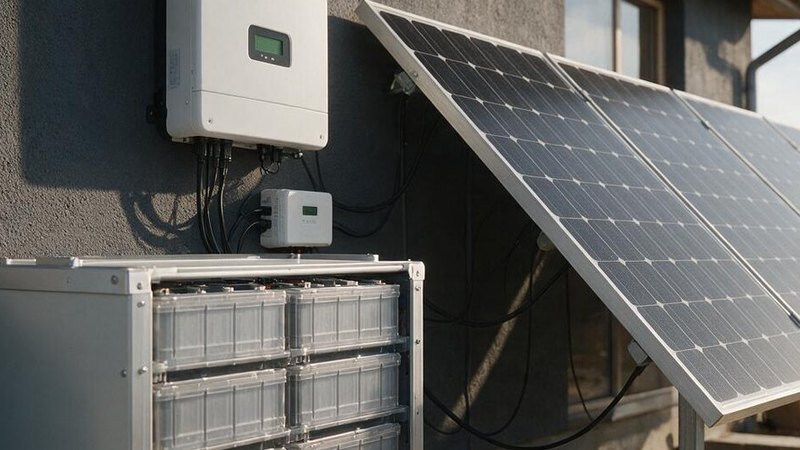
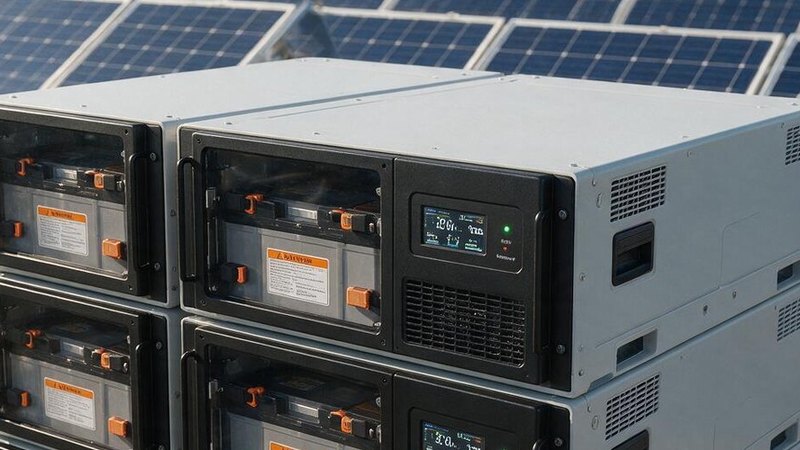
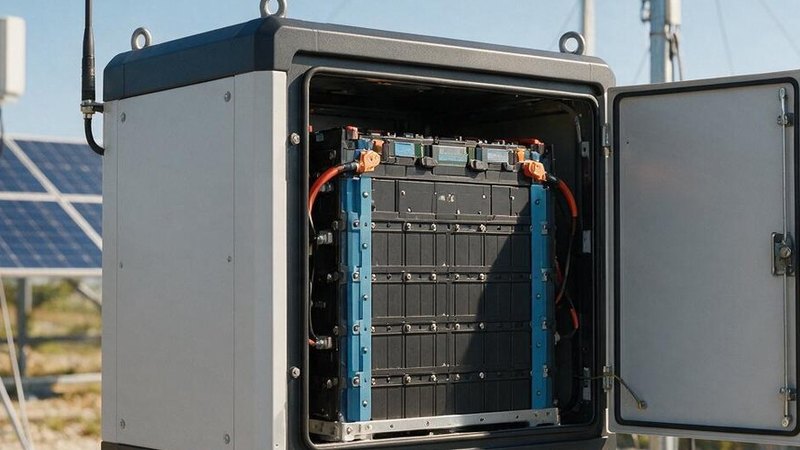
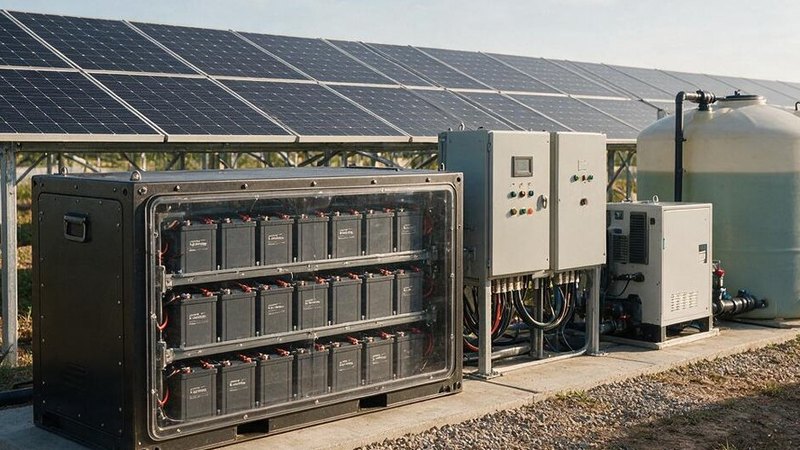
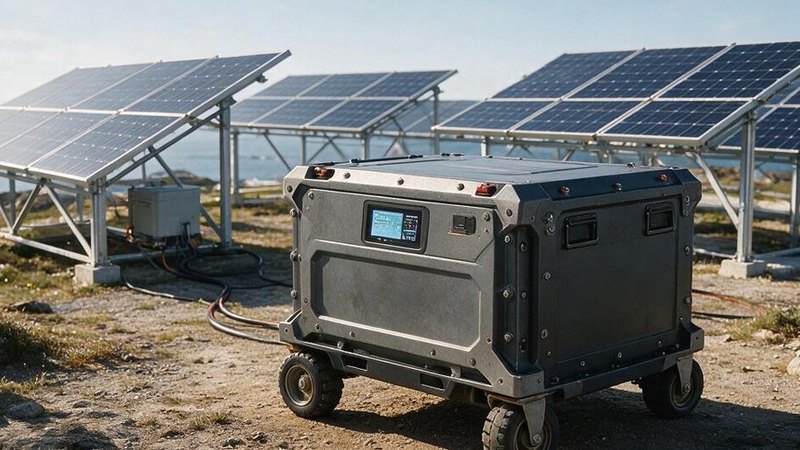
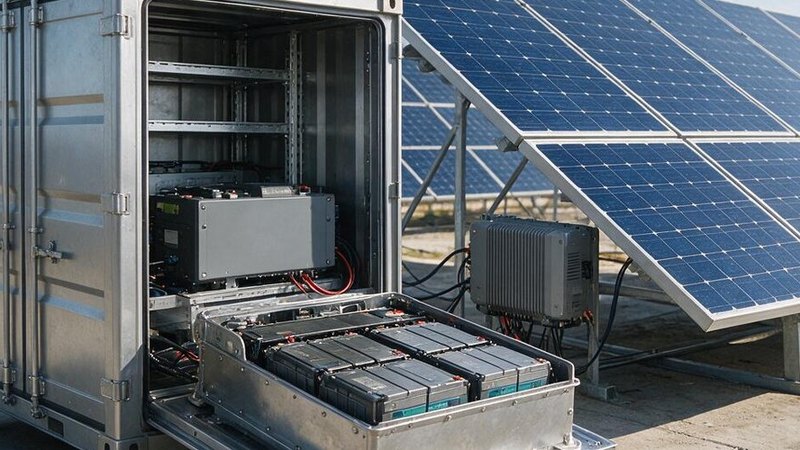
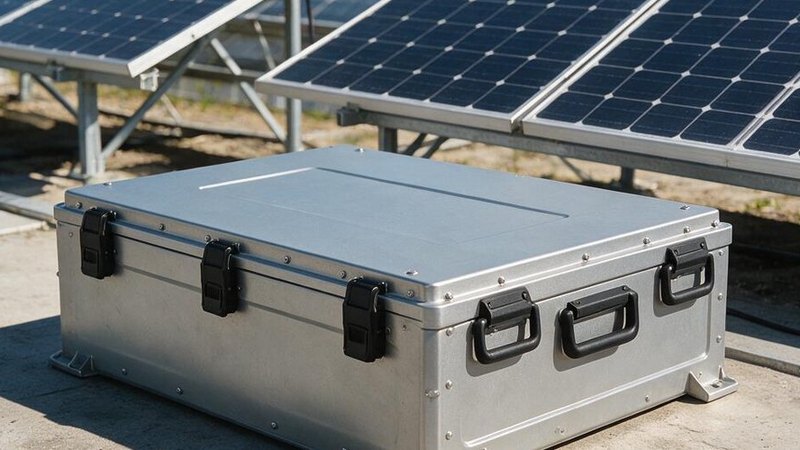
Professional Battery Solutions
¥5 + 95%Save ¥50,000+/Year Diesel — 95% Diesel Displacement
Stations consume 15-30kWh/day (equipment + AC 24hr). Pure diesel: ¥100,000–200,000/year fuel. Remote station diesel delivery ¥10–15/liter (including transport — mountain/shipping/air), 2× factory price. Carriers spend ¥30,000–50,000/station/year just "getting diesel to the mountain." Enormous hidden cost.
PLB base station 50kWh+ with large solar array, intelligent strategy achieving 95%+ solar-only year-round. Diesel auto-starts only after 5+ consecutive cloudy days. Diesel reduced 95%, from ¥100,000–200,000 to ¥5,000–10,000. Annual energy from ¥130,000–250,000 to ¥8,000–15,000.
| Diesel only | PLB solar | |
|---|---|---|
| Annual diesel cost | ¥100,000–200,000 | ¥5,000–10,000 |
| Transport cost | ¥30,000–50,000 | ¥3,000–5,000 |
| Generator runtime | 24 h / day | Under 5% of the time |
| Annual energy cost | ¥130,000–250,000 | ¥8,000–15,000 |
TCO 92% 25 vs 250 92% 10-Year TCO Reduction — ¥250K vs ¥2.5M
The pain is specific: TCO 92% 25 vs 250 92% 10-Year TCO Reduction — ¥250K vs ¥2.5M In daily operation, lead-acid or manually managed packs lose capacity between scheduled checks, maintenance teams cannot inspect every unit, and the failure surfaces only when the load is already at risk.
PLB LiFePO₄ base station 10-year life (6000 cycles), zero replacement/transport for 10 years. PLB's LiFePO₄ pack and BMS monitor cell voltage, temperature and SOC continuously, alert before a weak cell becomes a failure, and are sized to the application's load profile.
| Conventional / manual | PLB LiFePO₄ | |
|---|---|---|
| Monitoring | Periodic checks | Continuous BMS |
| Fault warning | At failure | Threshold alerts |
| Maintenance | Scheduled visits | Exception-based |
| Service life | 2–3 years | 6,000+ cycles |
—— -40~65 °C Extreme Environment — Widest Range in Industry
Base stations in China's most extreme environments: Northeast -40 °C, Xinjiang desert 50 °C, plateau UV. Ordinary batteries lose 60%+ capacity below -20 °C. Station blackout = communication blackout = signal blind spot. Operators face complaints, fines, and potential license revocation.
PLB base station: industrial LiFePO₄ + special low-temp electrolyte, -40 °C to 65 °C — widest in industry. -40 °C efficiency ≥60%, built-in heater auto-preheating. IP67 + IK10 — typhoons/hail/sandstorms all handled. Station uptime = no carrier fines = coverage guarantee.
| Conventional | PLB extreme version | |
|---|---|---|
| Operating temperature | −20 to 50 °C | −40 to 65 °C |
| Preheating | Manual or none | Automatic |
| Protection rating | Typically IP54 | IP67 + IK10 |
| Site coverage | Most sites | Extreme climates |
——1 500 Operator-Grade Platform — 1 Person Manages 500 Stations
Operators manage hundreds to thousands of stations. Traditional: one local monitor per station, staff must log into each individually — extremely inefficient. Delayed information means late fault discovery and slow response — frequent power outages. Low O&M efficiency = high labor costs = low station availability = fines.
PLB base station multi-site unified platform — one map showing all stations. Tiered alerts, auto work order dispatch, battery life prediction, generation analysis. Open API for carrier NMS integration. O&M efficiency from 1-person-50-stations to 1-person-500-stations, 10× improvement.
| Conventional | PLB platform | |
|---|---|---|
| Sites per operator | 20–50 | 500 |
| Monitoring | Local alarms | Operator-grade platform |
| Response | Site visit | Remote, seconds |
| Fleet data | Partial | Full dashboard |
Solution Advantages
Solar Primary
Diesel reduced by 95%
An intelligent charge and discharge strategy runs solar as the primary source with the generator as backup only: annual diesel consumption falls by 95%, saving ¥50,000+ per site per year.
Generator only on consecutive overcast days · Annual energy cost down to ¥8,000–15,00092% TCO Cut
¥250,000 against ¥2.5M per site over ten years
Ten-year TCO drops from ¥1.75–3.1M to ¥250,000–400,000 with zero replacement, zero transport and zero site-access coordination.
Ten-year design life · Optimized operator CAPEX structureExtreme Adaptation
−40 °C to 65 °C, the widest range in the industry
The widest operating range available, with built-in heating and automatic preheating, protected to IP67 and IK10 for full-environment duty.
Auto preheat · IP67 + IK10Operator-Grade Platform
One person manages 500 sites
A fleet platform puts every site on one screen with second-level alarms and remote diagnostics, so a single operator covers 500 stations and site visits become the exception.
Operator-grade remote platform · Full fleet visibilityFrom Selection to After-Sales — PLB Stays With You
Four commitments that apply to every page in this category, from the first technical question to long-term support.

Technical Selection Support
Engineer recommends within 24 hours
Tell us the daily kilowatt-hour demand, peak load and site conditions — our engineers size the system and recommend the matching model within 24 hours.
Dedicated technical team · 24-hour response
OEM / ODM Customization
From cell to cabinet, fully customizable
From cells, BMS, housing and terminals to the nameplate, everything can be customized.
4–8 week customization · Tooling development supported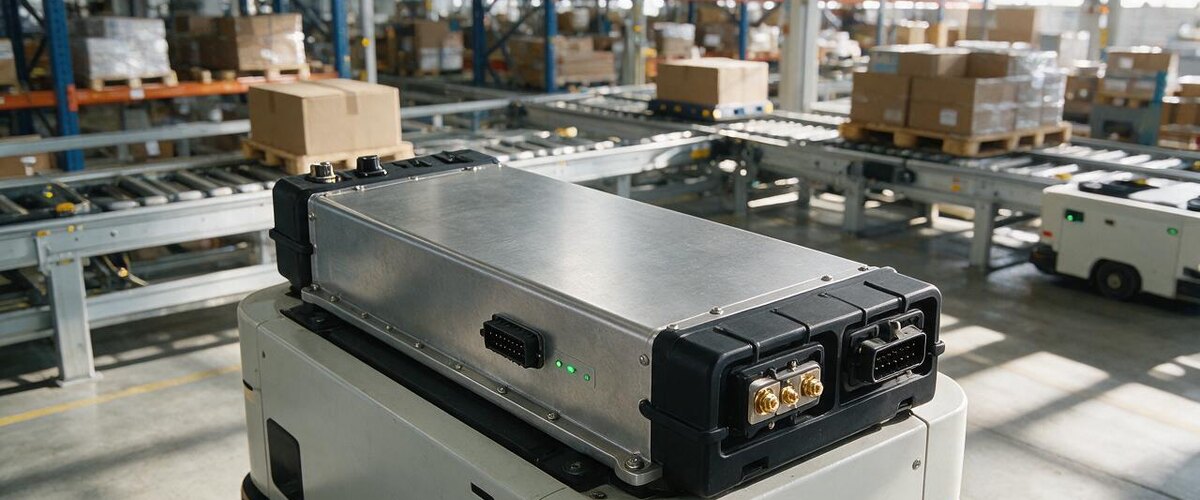
Global Shipping
Export to 100+ countries
Export-compliant packaging with UN 38.3 air transport certification and worldwide delivery.
UN 38.3 certified · MSDS available · Export compliant
Warranty & Support
Standard warranty, lifetime support
Standard products carry a full warranty, backed by lifetime technical support.
Warranty terms on request · Lifetime technical supportWhy Choose PLB?
Years of Manufacturing
Founded in Dongguan, China in 2014
Countries Served
Export-compliant packaging and worldwide delivery
Voltage Platforms
From 25.6V to 512V, built on the same cell platform
After-Sales Rate
Monitored by the internal quality traceability system
Full Range & Model Selection
Complete product range and model selection — plug-and-play home systems, modular community storage, telecom base-station cabinets and containerised relief systems.
| Model | Capacity | Form factor | DOD | Applications |
|---|---|---|---|---|
| LL-OG-HOME5 | 5 kWh | Wall / floor | 90% DOD, plug & play | Home essentials · fridge + TV |
| LL-OG-HOME10 | 10 kWh | Wall / floor | 10-year design life | Whole-home off-grid |
| LL-OG-COMM10 | 10 kWh | Modular rack | Expandable in 5–10 kWh steps | Community shared systems |
| LL-OG-COMM20S | 20 kWh | Modular rack | Prepaid metering per household | Institutional · multi-user |
| LL-OG-AGRI10 | 10 kWh | Rack | Pump-ready output | Irrigation · farm supply |
| LL-OG-ISLE20 | 20 kWh | Rack / container | Salt-spray protected | Islands · coastal sites |
| LL-OG-BS50 | 50 kWh | Outdoor cabinet | 95% diesel displacement | Telecom base stations |
| LL-OG-BS100 | 100 kWh | Outdoor cabinet | −40 to 65 °C, auto preheat | Extreme-climate base stations |
| LL-OG-EMER200 | 200 kWh | Container | Rapid deployment | Disaster relief · field camps |
| LL-OG-MINE50 | 50 kWh | Rack / container | Dust and vibration proof | Mining · remote outposts |
By daily demand: lights and phone charging → LL-OG-HOME5.
By site: telecom base station → LL-OG-BS50 / BS100.
Not sure? Send us the daily kilowatt-hour demand, peak load and site conditions — our engineers will size the system directly.
Frequently Asked Questions
The questions EPC contractors and off-grid operators ask most about LiFePO₄ off-grid storage in the Telecom Base Stations scenario — −40~65 °C (operating range), and what it takes to qualify.
Will a PLB pack replace the lead-acid unit in the Telecom Base Stations scenario without rework?
The storage keeps the site DC bus voltage and stacks in modular units, and the inverter charge settings are documented for commissioning. Typical models for Telecom Base Stations builds are LL-OG-BS50 and LL-OG-BS100.
What runtime and output can we expect over a day in the Telecom Base Stations scenario?
Usable depth of discharge is about 90% against roughly 50% for lead-acid, so the same nameplate rating delivers close to twice the usable energy.
What temperature and ingress rating is specified for the Telecom Base Stations scenario?
Specification: −40~65 °C (operating range). Sealed enclosure and BMS thermal protection cover outdoor and remote-site duty.
Can the pack report SOC and alarms to monitoring already used in the Telecom Base Stations scenario?
The BMS and site controller report SOC, SOH and alarms remotely, so most faults are cleared without a site visit.
Which models cover the Telecom Base Stations scenario, and how is delivery handled?
Typical models are LL-OG-BS50 and LL-OG-BS100. Custom packs take 4–8 weeks including tooling, and lead time for standard models is confirmed on the quotation. Tell us the daily kilowatt-hour demand, peak load and site conditions — our engineers size the system and recommend the matching model within 24 hours.
Need a Selection Recommendation?
Tell us the load, backup time and installation space — our engineers will recommend the matching battery within 24 hours.
NDA available upon request · Typical response within 12 hours