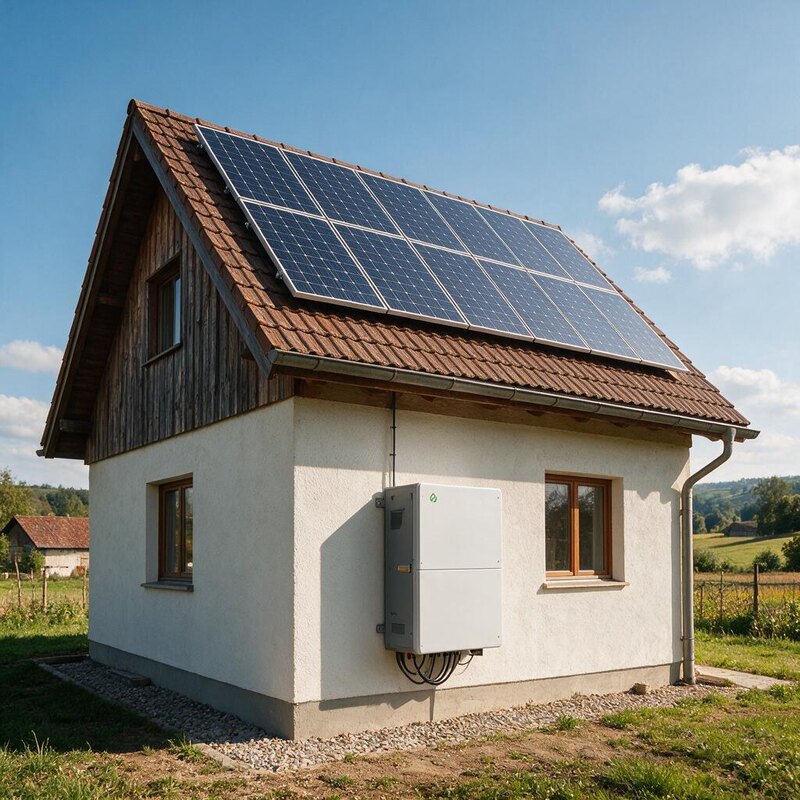
What Community & Institutional Off-Grid Storage Covers
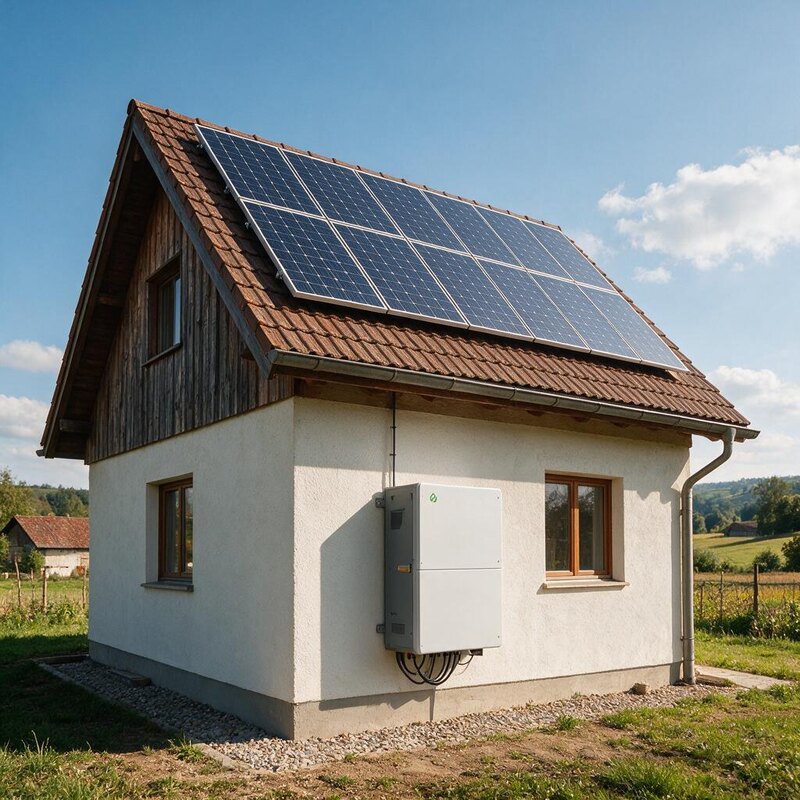
But core operational challenge: unfair power distribution → collection difficulties → cash flow breakdown → system abandonment. PLB community solution: modular expansion + multi-user smart metering + remote O&M — solving the "can build but can't sustain" industry pain point.
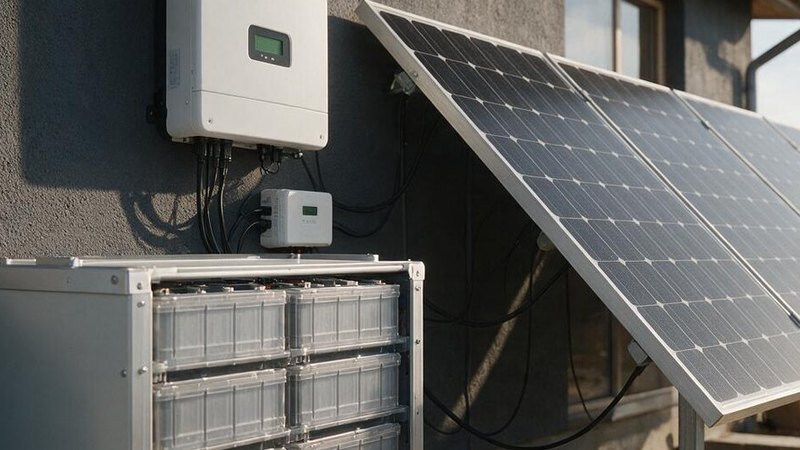
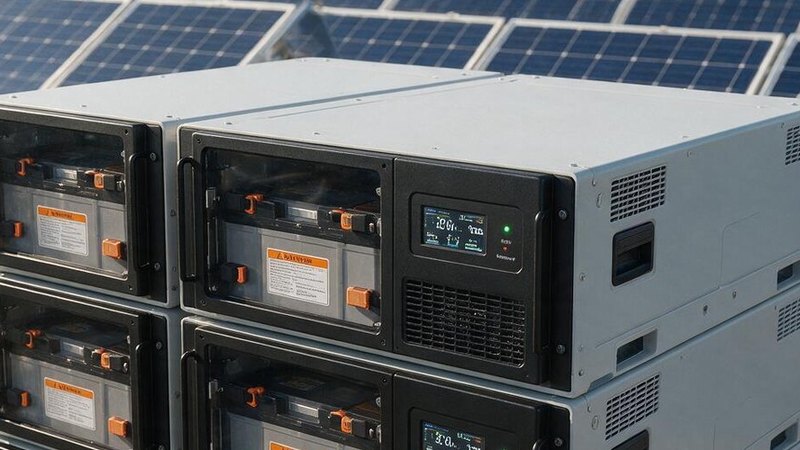
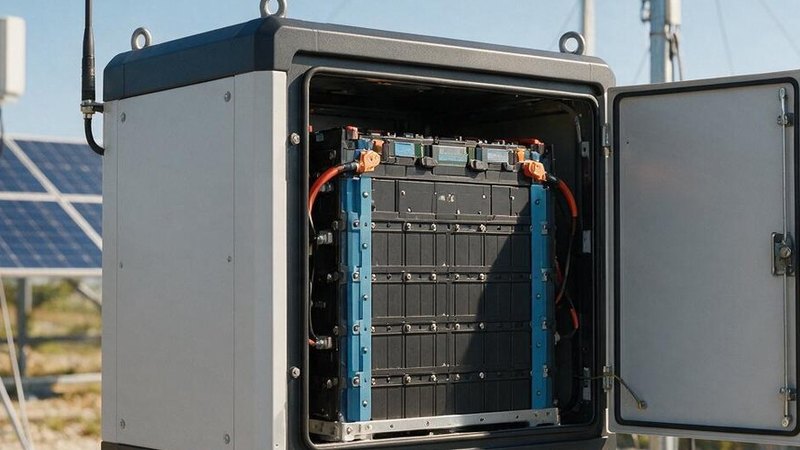
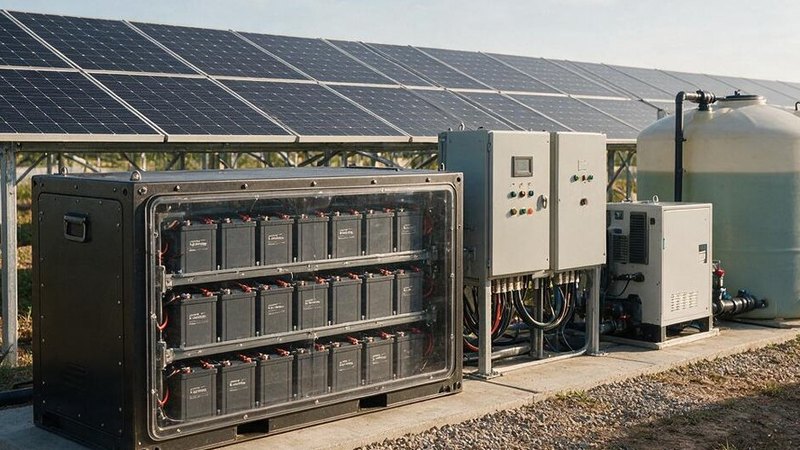
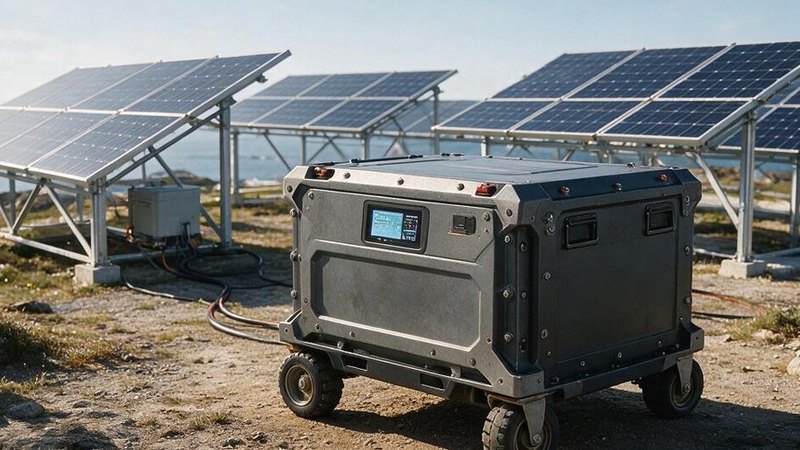
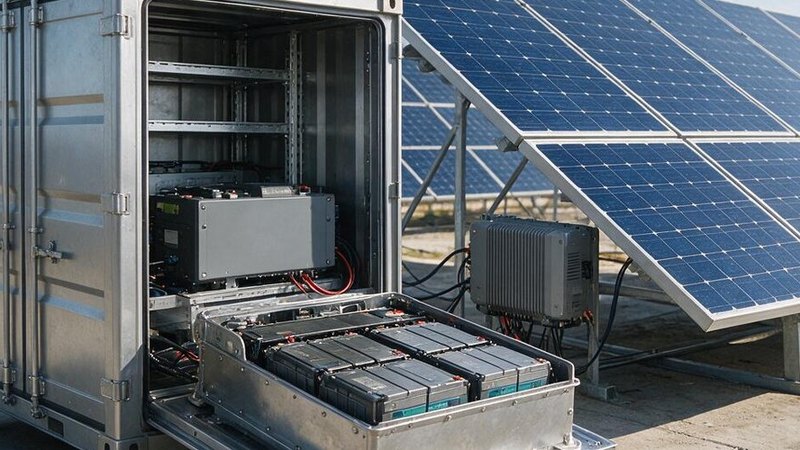
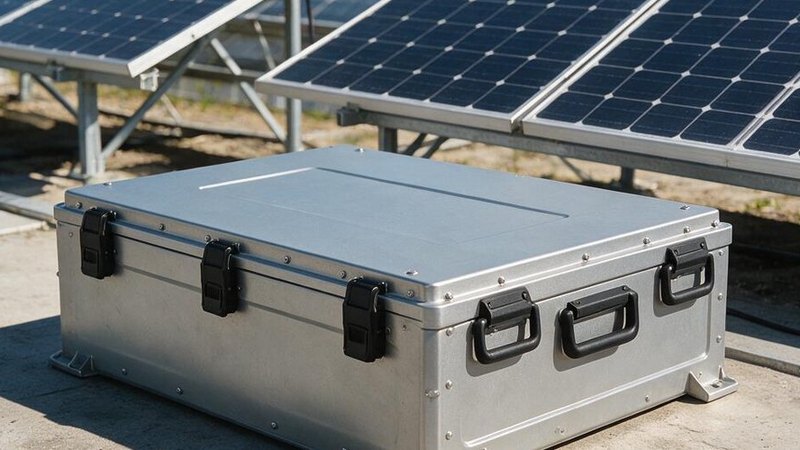
Professional Battery Solutions
—— 10kWh 100kWh Modular Expansion — 10kWh to 100kWh, No Equipment Replacement
Community power needs change significantly — initially only lighting, later adding fans/AC/computers/medical equipment. Fixed-capacity systems: buy too large wastes budget (projects are already tight), too small means full system replacement. Each replacement wastes prior investment — project operators suffer.
PLB community modular: start 10kWh, expand by 5-10kWh per module, up to 100kWh. No replacement needed — parallel new modules. Solar and inverters expand simultaneously. Budget-friendly phased investment. For EPC contractors — system grows with client needs, expansion = repeat orders.
| Single build | PLB modular | |
|---|---|---|
| Initial investment | All at once | Staged, 5–10 kWh at a time |
| Expansion | Replace the old system | Parallel with existing units |
| Contractor revenue | One-off | Repeat orders |
| Capital pressure | High | Minimal |
—— " " Multi-User Smart Metering — Solve "Who Used More" Distribution Problem
The pain is specific: —— " " Multi-User Smart Metering — Solve "Who Used More" Distribution Problem In daily operation, lead-acid or manually managed packs lose capacity between scheduled checks, maintenance teams cannot inspect every unit, and the failure surfaces only when the load is already at risk.
PLB community: multi-user metering + prepaid + time-sharing. PLB's LiFePO₄ pack and BMS monitor cell voltage, temperature and SOC continuously, alert before a weak cell becomes a failure, and are sized to the application's load profile.
| Conventional / manual | PLB LiFePO₄ | |
|---|---|---|
| Monitoring | Periodic checks | Continuous BMS |
| Fault warning | At failure | Threshold alerts |
| Maintenance | Scheduled visits | Exception-based |
| Service life | 2–3 years | 6,000+ cycles |
—— 12 2 Remote O&M — Annual Visits from 12 to 2
Remote communities are 3–8 hour drive from maintenance staff. Each fault visit costs ¥500–1,000. 80% of faults are minor (fuses, parameter errors) — could be resolved remotely but require long trips. Annual maintenance ¥6,000–12,000, eating project profits.
PLB community 4G module, all data to cloud. Remote monitoring + remote fix (parameter adjustment/restart/alarm clearing), 80% resolved remotely. Annual visits from 12 to 2, maintenance from ¥12,000 to ¥2,000. Saved ¥10,000/station/year = net project profit.
| Conventional system | PLB remote O&M | |
|---|---|---|
| Fault discovery | Only when the user reports it | Automatic alarm push |
| Remote repair rate | 0% | 80% |
| Annual site visits | 12 | 2 |
| Annual maintenance cost | ¥6,000–12,000 | ¥1,000–2,000 |
Solution Advantages
Modular Expansion
Start at 10kWh, grow to 100kWh
Capacity is invested in stages and new units run in parallel with the old ones, so nothing is replaced. For EPC contractors every expansion becomes a repeat order.
5–10 kWh per step · Minimal capital pressureFair Share Metering
Per-household metering and prepaid billing
Independent metering for each household with prepaid billing, overuse current limiting and automatic app statistics, keeping the project operating and the investor repaid.
Addresses the root cause of 30%+ project failures · Workable business modelRemote O&M
80% fixed remotely, two visits a year
4G monitoring with remote repair takes annual site visits from twelve to two and annual maintenance cost down by 83%.
About ¥10,000 saved per site per year · Converts directly to net income10-Year Life
6,000+ cycles, 70%+ retention
A ten-year design life means shared community systems need no replacement for a decade, maximising the value of public investment.
Ten-year TCO down 85%+ · Long-term public assetFrom Selection to After-Sales — PLB Stays With You
Four commitments that apply to every page in this category, from the first technical question to long-term support.

Technical Selection Support
Engineer recommends within 24 hours
Tell us the daily kilowatt-hour demand, peak load and site conditions — our engineers size the system and recommend the matching model within 24 hours.
Dedicated technical team · 24-hour response
OEM / ODM Customization
From cell to cabinet, fully customizable
From cells, BMS, housing and terminals to the nameplate, everything can be customized.
4–8 week customization · Tooling development supported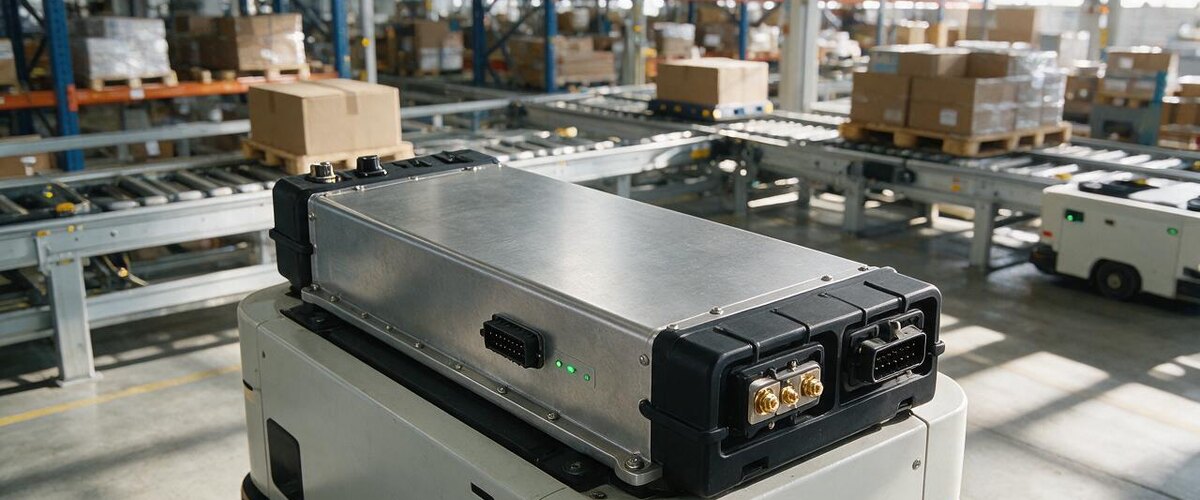
Global Shipping
Export to 100+ countries
Export-compliant packaging with UN 38.3 air transport certification and worldwide delivery.
UN 38.3 certified · MSDS available · Export compliant
Warranty & Support
Standard warranty, lifetime support
Standard products carry a full warranty, backed by lifetime technical support.
Warranty terms on request · Lifetime technical supportWhy Choose PLB?
Years of Manufacturing
Founded in Dongguan, China in 2014
Countries Served
Export-compliant packaging and worldwide delivery
Voltage Platforms
From 25.6V to 512V, built on the same cell platform
After-Sales Rate
Monitored by the internal quality traceability system
Full Range & Model Selection
Complete product range and model selection — plug-and-play home systems, modular community storage, telecom base-station cabinets and containerised relief systems.
| Model | Capacity | Form factor | DOD | Applications |
|---|---|---|---|---|
| LL-OG-HOME5 | 5 kWh | Wall / floor | 90% DOD, plug & play | Home essentials · fridge + TV |
| LL-OG-HOME10 | 10 kWh | Wall / floor | 10-year design life | Whole-home off-grid |
| LL-OG-COMM10 | 10 kWh | Modular rack | Expandable in 5–10 kWh steps | Community shared systems |
| LL-OG-COMM20S | 20 kWh | Modular rack | Prepaid metering per household | Institutional · multi-user |
| LL-OG-AGRI10 | 10 kWh | Rack | Pump-ready output | Irrigation · farm supply |
| LL-OG-ISLE20 | 20 kWh | Rack / container | Salt-spray protected | Islands · coastal sites |
| LL-OG-BS50 | 50 kWh | Outdoor cabinet | 95% diesel displacement | Telecom base stations |
| LL-OG-BS100 | 100 kWh | Outdoor cabinet | −40 to 65 °C, auto preheat | Extreme-climate base stations |
| LL-OG-EMER200 | 200 kWh | Container | Rapid deployment | Disaster relief · field camps |
| LL-OG-MINE50 | 50 kWh | Rack / container | Dust and vibration proof | Mining · remote outposts |
By daily demand: lights and phone charging → LL-OG-HOME5.
By site: telecom base station → LL-OG-BS50 / BS100.
Not sure? Send us the daily kilowatt-hour demand, peak load and site conditions — our engineers will size the system directly.
Frequently Asked Questions
The questions EPC contractors and off-grid operators ask most about LiFePO₄ off-grid storage in the Community & Institutional scenario — 10-year (design life) and 10–100 kWh (modular range), and what it takes to qualify.
Will a PLB pack replace the lead-acid unit in the Community & Institutional scenario without rework?
The storage keeps the site DC bus voltage and stacks in modular units, and the inverter charge settings are documented for commissioning. Typical models for Community & Institutional builds are LL-OG-COMM10 and LL-OG-COMM20.
What runtime and output can we expect over a day in the Community & Institutional scenario?
Usable depth of discharge is about 90% against roughly 50% for lead-acid, so the same nameplate rating delivers close to twice the usable energy. Key figure: 10–100 kWh (modular range).
What temperature and ingress rating is specified for the Community & Institutional scenario?
The enclosure is rated for outdoor and remote-site duty, with BMS thermal protection and wide-temperature cells. Endurance: 10-year (design life).
Can the pack report SOC and alarms to monitoring already used in the Community & Institutional scenario?
The BMS and site controller report SOC, SOH and alarms remotely, so most faults are cleared without a site visit.
Which models cover the Community & Institutional scenario, and how is delivery handled?
Typical models are LL-OG-COMM10 and LL-OG-COMM20. Custom packs take 4–8 weeks including tooling, and lead time for standard models is confirmed on the quotation. Tell us the daily kilowatt-hour demand, peak load and site conditions — our engineers size the system and recommend the matching model within 24 hours.
Need a Selection Recommendation?
Tell us the load, backup time and installation space — our engineers will recommend the matching battery within 24 hours.
NDA available upon request · Typical response within 12 hours