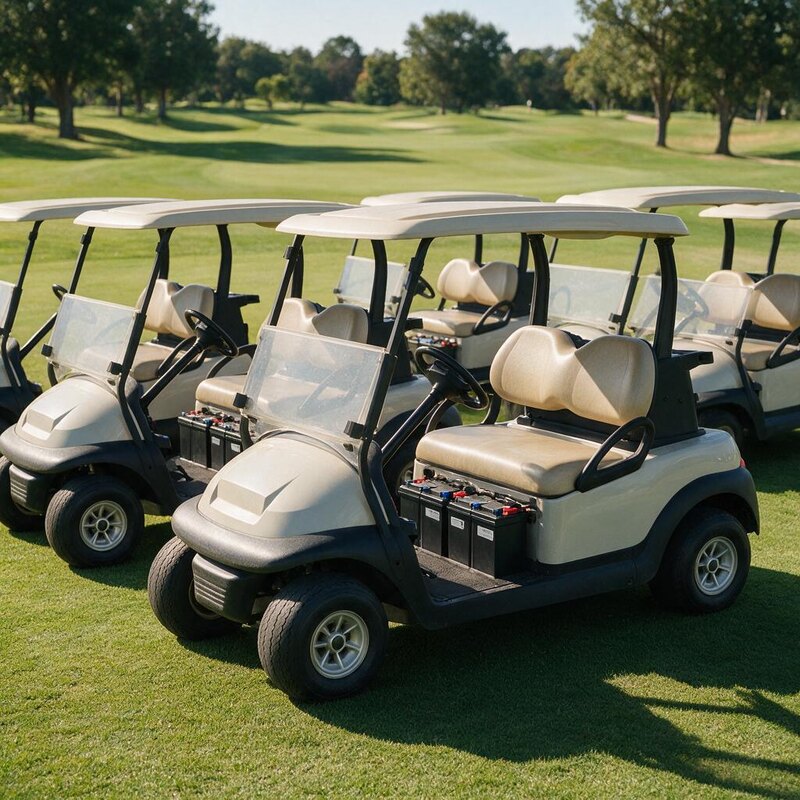
What Standard Golf Cart Battery Covers
The driver isn't environmental sentiment — it's math: a 100-cart course's 5-year lead-acid TCO is 2.5x lithium. Lead-acid dies in 1–2 years at 300–500 cycles, weekly watering needs 1 full-time staff, 8–10 hour charging prevents midday top-up. For course operators, battery TCO is a core operational metric directly impacting annual profit. PLB LiFePO₄: 2,000+ cycles over 5 years, consistent climbing power, fully maintenance-free, 2-hour fast charging for afternoon operation.
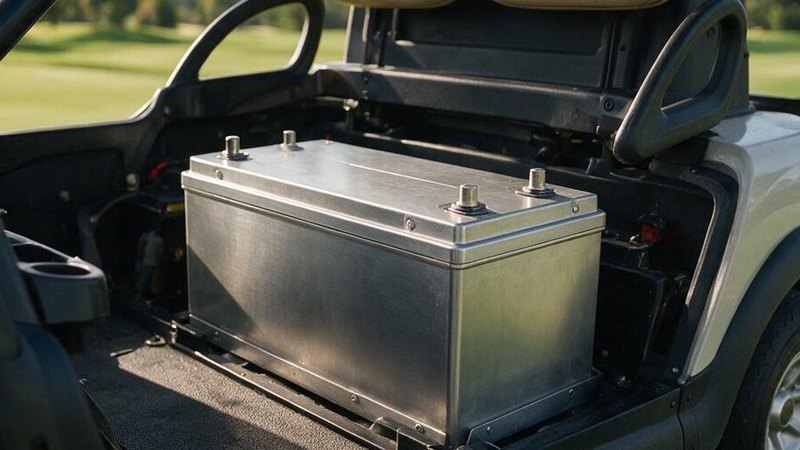
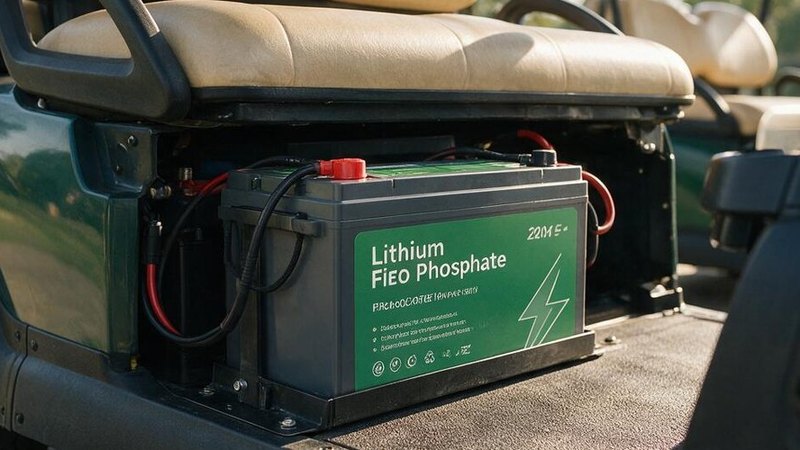
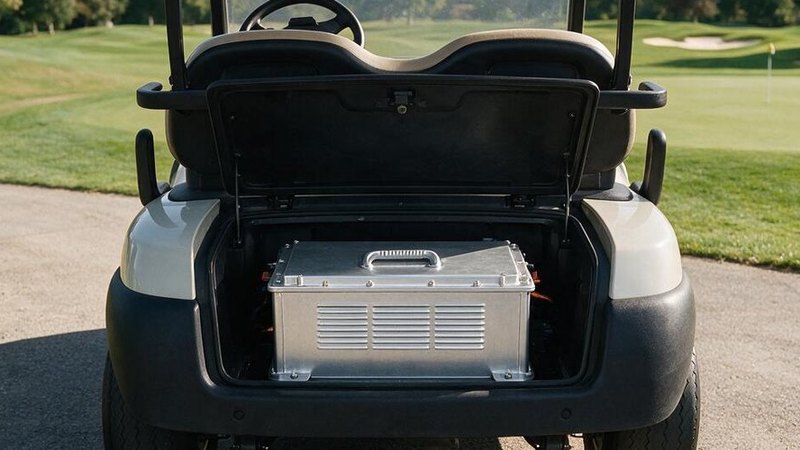
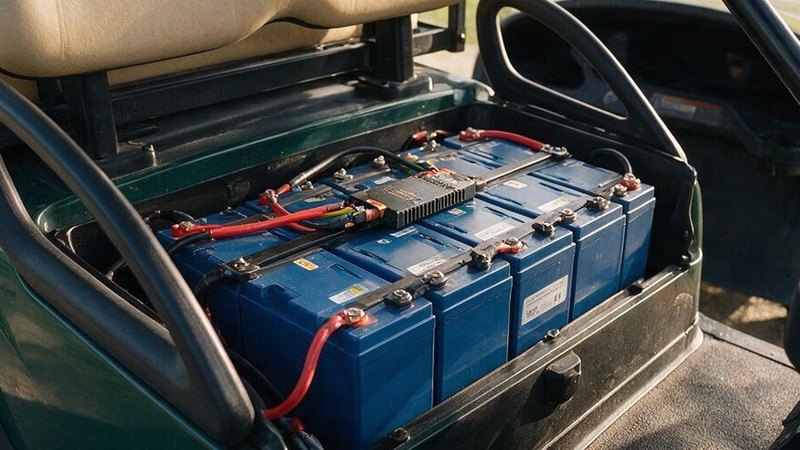
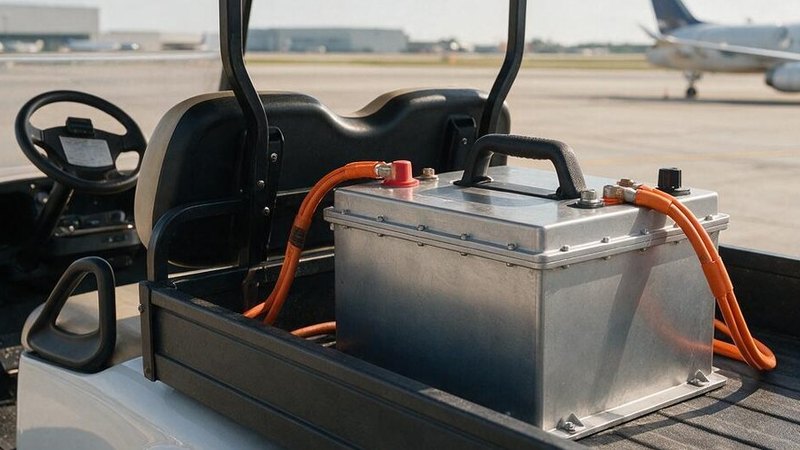
Professional Battery Solutions
5 3 =15 + TCO 100-Cart Course: 3 Lead-Acid Sets in 5 Years = ¥150K+ — How Does TCO Work?
Course carts run 36-50 rounds daily. Lead-acid drops to 60% after 300–500 cycles. Most operators only look at upfront price — "lead-acid is cheap" — but never calculate TCO. 100 carts × 3 sets in 5 years = ¥150K+. Not counting labor and downtime. PLB lithium has higher upfront cost but only 1 set in 5 years — total cost is half of lead-acid.
5-year TCO reduced 50%+; from ¥150K/year to ¥60K. 2,000+ deep cycles (80% DOD) — 5.5 years at daily cycling. TCO calculation tools provided for procurement decision support. 5.
| Lead-acid | PLB LiFePO₄ | |
|---|---|---|
| Sets in 5 years | 3 | 1 |
| 5-year battery spend | ¥150,000+ | One investment |
| Equivalent saving | — | Two extra carts |
| TCO basis | Lead-acid | 50%+ lower |
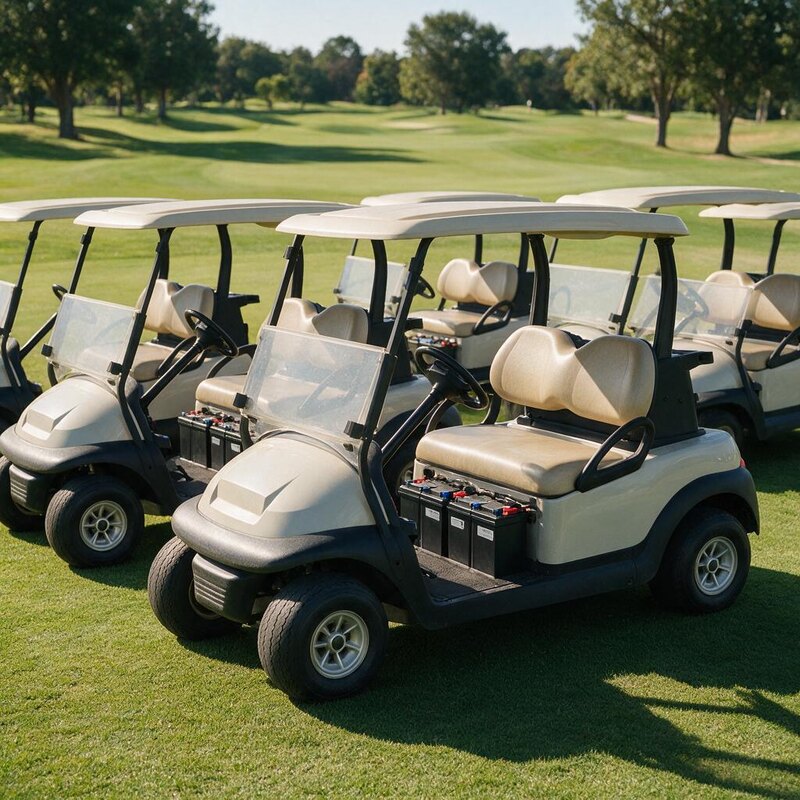
Back Nine Climbing Loses Power, Guest Complaints — How to Improve Course Reputation?
The pain is specific: Back Nine Climbing Loses Power, Guest Complaints — How to Improve Course Reputation? In daily operation, lead-acid or manually managed packs lose capacity between scheduled checks, maintenance teams cannot inspect every unit, and the failure surfaces only when the load is already at risk.
Reduce guest complaints by 90%+; improve member renewal rates. PLB's LiFePO₄ pack and BMS monitor cell voltage, temperature and SOC continuously, alert before a weak cell becomes a failure, and are sized to the application's load profile.
| Conventional / manual | PLB LiFePO₄ | |
|---|---|---|
| Monitoring | Periodic checks | Continuous BMS |
| Fault warning | At failure | Threshold alerts |
| Maintenance | Scheduled visits | Exception-based |
| Service life | 2–3 years | 6,000+ cycles |
Weekly Watering = 1 Full-Time Staff — How to Cut Costs?
Lead-acid needs weekly fluid checks and distilled water — 52 weeks/year. A 100-cart course needs 1 full-time staff just for battery maintenance — ¥60–80K/year. Miss a watering and the battery dies. Hidden cost: missed inspections lead to batch premature battery death, losses far exceeding labor itself. Battery maintenance is the most overlooked "labor black hole" in course operations.
Save ¥60–80K/year in labor + eliminate batch scrapping risk; 5-year cumulative savings of ¥300–400K. Completely maintenance-free — no watering, no specific gravity checks, no equalization charging. BMS handles everything automatically. Freed staff creates more value in course maintenance or guest services.
| Lead-acid | PLB LiFePO₄ | |
|---|---|---|
| Weekly watering | Required | None |
| Labor for maintenance | One full-time employee | Released |
| Annual labor saving | — | ¥60,000–80,000 |
| 5-year saving | — | ¥300,000–400,000 |
8-10 8-10 Hour Charging, No Midday Top-Up — Peak Season Cart Shortage?
Lead-acid needs 8–10 hours to charge — overnight only. Peak season daytime shortage means dead carts sit idle. Courses must buy 20-30 extra carts for peak demand — used only in peak season, idle otherwise, extremely low asset utilization. Course operators feedback: "cart shortage" is #1 complaint in peak season, but adding carts isn't economical.
Eliminate extra cart investment; double existing fleet capacity. 1C fast charging — 2 hours to full. 2-hour lunch break charges all carts for afternoon rounds. No need for extra carts in peak season — existing fleet covers demand. Extra cart investment saved = 20-30 carts = hundreds of thousands.
| Lead-acid | PLB LiFePO₄ | |
|---|---|---|
| Charge time | 8–10 hours | About 2 hours |
| Midday top-up | Not possible | Routine |
| Peak-season capacity | Needs extra carts | Same fleet suffices |
| Investment avoided | — | Tens of thousands |
Solution Advantages
50%+ Lower TCO
2,000+ cycles, one purchase in five years
2,000+ cycles without degradation means buying batteries once in five years — a 100-cart course saves ¥150,000+, enough for two new carts.
100-cart course saves ¥150,000+ in five yearsConsistent Power
Flat discharge throughout the round
The discharge platform varies by less than 5%, so the back nine is as strong as the first hole and guest complaints fall by 90%+.
Guest experience improved · Member renewal supportedFully Maintenance-Free
No watering, no inspection, BMS managed
No watering and no manual inspection, with the BMS managing everything: one full-time employee released and ¥300,000–400,000 saved over five years.
One full-time role released · Batch-failure risk removed2-Hour Fast Charge
Midday top-ups, no extra carts
1C fast charging refills over a lunch break, so the existing fleet covers peak season without capital for additional carts.
1C fast charge · Fleet capacity doubled effectivelyFrom Selection to After-Sales — PLB Stays With You
Four commitments that apply to every page in this category, from the first technical question to long-term support.

Technical Selection Support
Engineer recommends within 24 hours
Tell us the cart model, daily loops and terrain — our engineers size the pack and recommend the matching model within 24 hours.
Dedicated technical team · 24-hour response
OEM / ODM Customization
From cell to cabinet, fully customizable
From cells, BMS, housing and terminals to the nameplate, everything can be customized.
4–8 week customization · Tooling development supported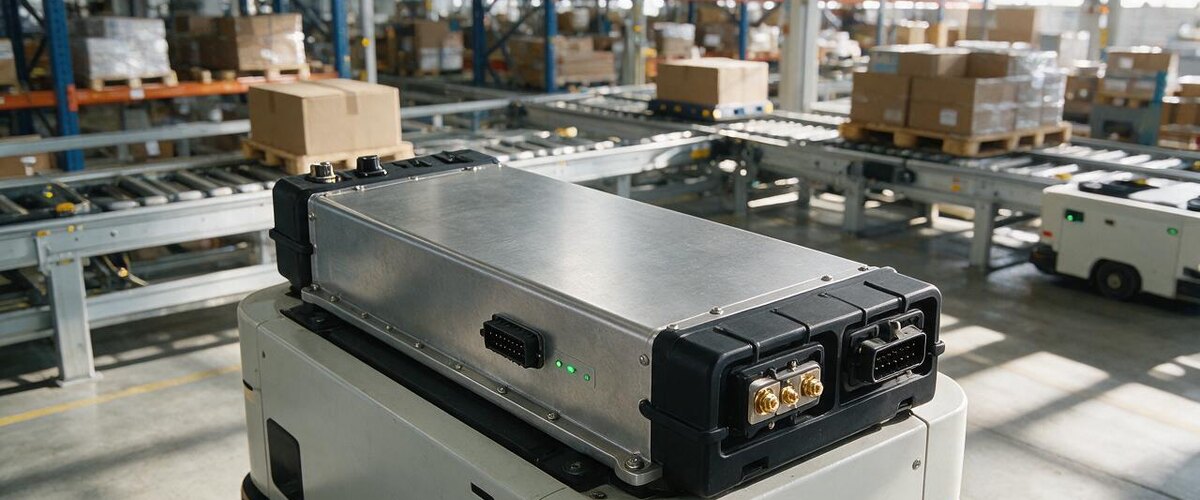
Global Shipping
Export to 100+ countries
Export-compliant packaging with UN 38.3 air transport certification and worldwide delivery.
UN 38.3 certified · MSDS available · Export compliant
Warranty & Support
Standard warranty, lifetime support
Standard products carry a full warranty, backed by lifetime technical support.
Warranty terms on request · Lifetime technical supportWhy Choose PLB?
Years of Manufacturing
Founded in Dongguan, China in 2014
Countries Served
Export-compliant packaging and worldwide delivery
Voltage Platforms
From 25.6V to 512V, built on the same cell platform
After-Sales Rate
Monitored by the internal quality traceability system
Full Range & Model Selection
Complete product range and model selection — standard fleet packs, long-range resort units, heavy-duty utility versions and airport ground-support models.
| Model | Voltage | Capacity | Form factor | Applications |
|---|---|---|---|---|
| LL-GC-36V60Ah | 36V | 60Ah | Entry fleet pack | Standard 2-seat carts |
| LL-GC-48V100Ah | 48V | 100Ah | 500A peak, 2 h charge | 18-hole course fleets |
| LL-GC-48V150Ah | 48V | 150Ah | All-day range under load | Resorts · sightseeing |
| LL-GC-48V120Ah-HD | 48V | 120Ah | Sustained 1C, heavy duty | Utility · cargo · climbing |
| LL-GC-48V100Ah-OW | 48V | 100Ah | Wide temperature | Outdoor · cold-climate sites |
| LL-GC-48V120Ah-AP | 48V | 120Ah | Airport GSE certified | Airport ground support |
By duty: standard 18-hole fleet → LL-GC-48V100Ah.
By site: cold-climate outdoor courses → wide-temperature version.
Not sure? Send us the cart model, daily loops and terrain — our engineers will size the pack directly.
Frequently Asked Questions
The questions course managers and fleet operators ask most about LiFePO₄ cart batteries in the Standard Golf Carts scenario — 2,000+ (deep cycles), and what it takes to qualify.
Which pack fits the Standard Golf Carts cart already in service?
The pack replaces the lead-acid set in the original tray at the same system voltage with the same terminal layout, so the cart harness and charger connection carry over. Typical models for Standard Golf Carts builds are LL-GC-48V100Ah.
How much usable capacity does the pack deliver across a shift in Standard Golf Carts service?
The discharge curve varies by under 5% across the pack, so output at the end of a shift matches the first kilometer, and 1C charging refills a typical cart pack in about two hours.
Will the pack survive Standard Golf Carts conditions for its full service life?
The sealed pack is rated for outdoor duty with BMS protection against over-current, over-temperature and deep discharge. Endurance: 2,000+ (deep cycles).
How does the pack connect to the charger and control system in the Standard Golf Carts scenario?
The BMS reports SOC and protection status, with an app or dash display option so drivers see remaining range.
Can the pack be customized for the Standard Golf Carts application and certification file?
Cells, BMS, housing, terminals and nameplate are customizable. Custom packs take 4–8 weeks including tooling. Tell us the cart model, daily loops and terrain — our engineers size the pack and recommend the matching model within 24 hours.
Need a Selection Recommendation?
Tell us the load, backup time and installation space — our engineers will recommend the matching battery within 24 hours.
NDA available upon request · Typical response within 12 hours