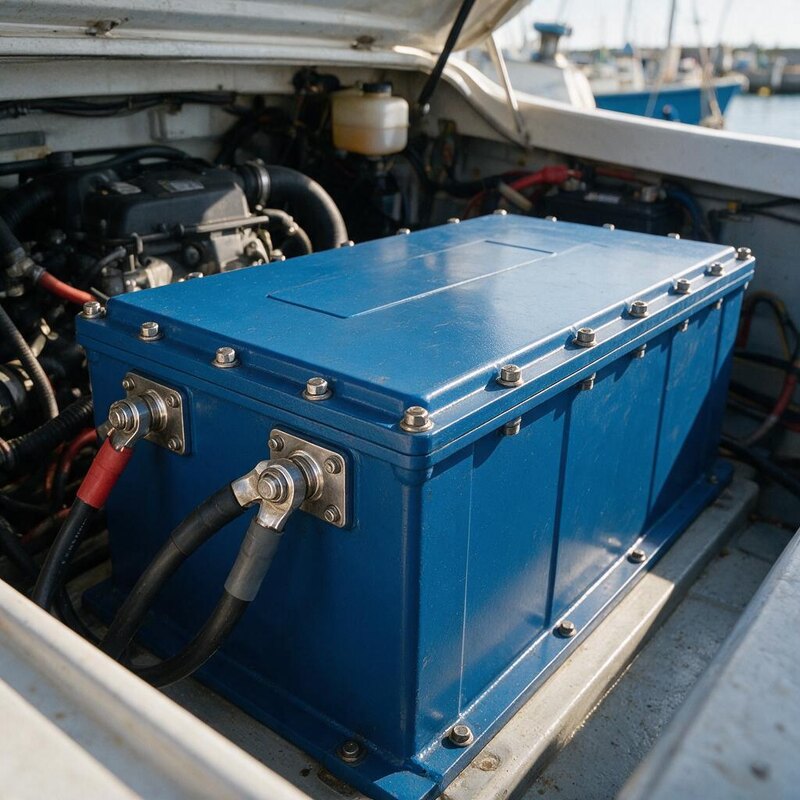
What Unmanned Surface Vessel Battery Covers
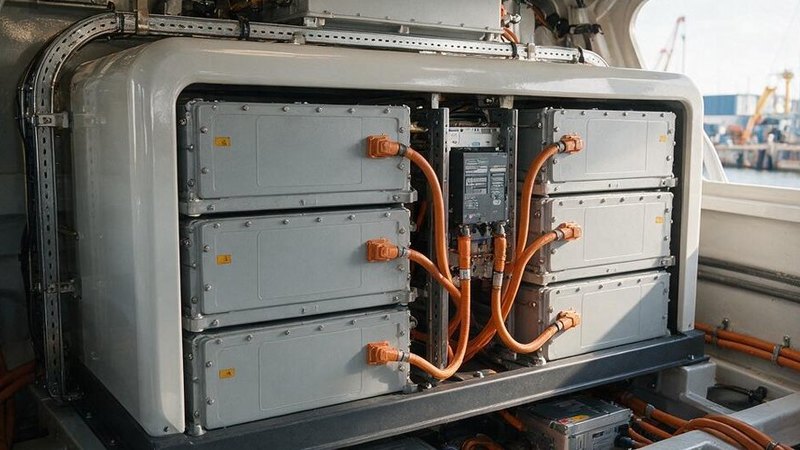
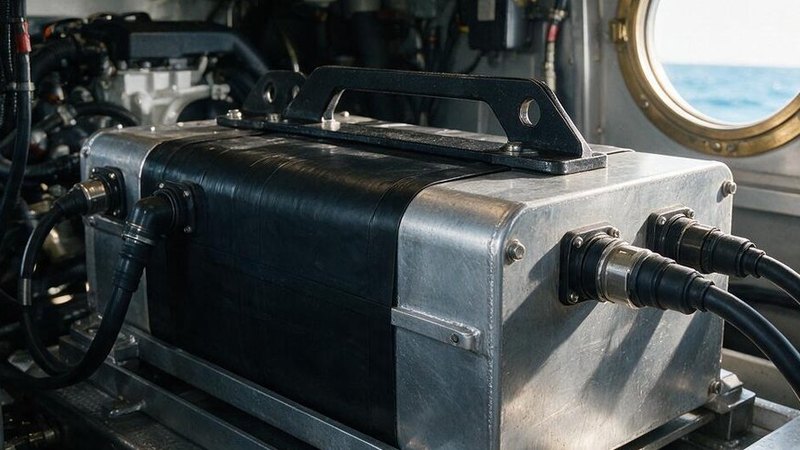
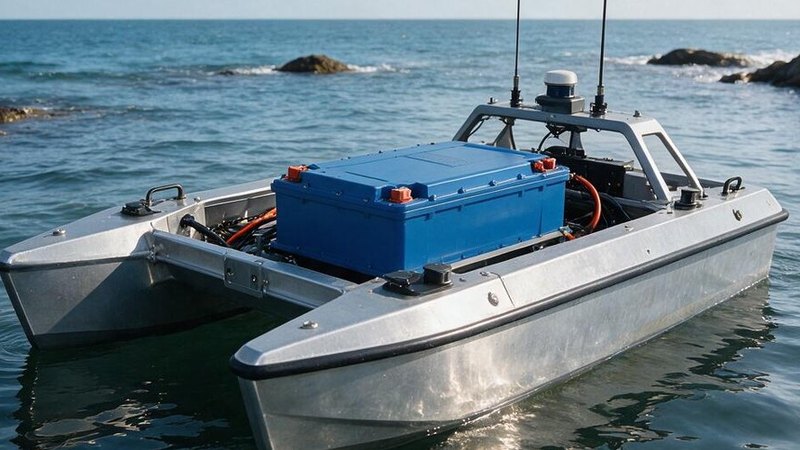
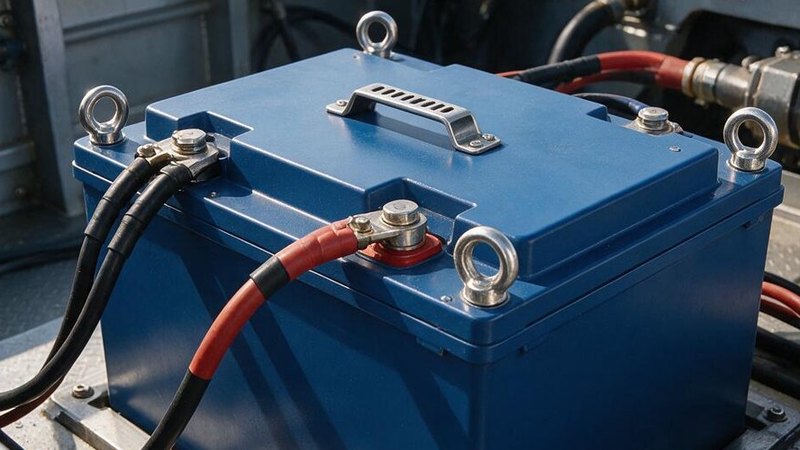
Key metric: endurance. Every 10% energy density improvement adds 8-12% range. Lead-acid energy density only 30-40Wh/kg severely limits USV operational radius. Industry urgently needs ≥120Wh/kg marine batteries. PLB, founded 2014, USV-specific LiFePO₄ ≥150Wh/kg (4× lead-acid), supporting 72+ hour autonomous operations. BMS deeply integrated with USV control systems, remote SOC/SOH data transmission. Exported to 100+ countries.
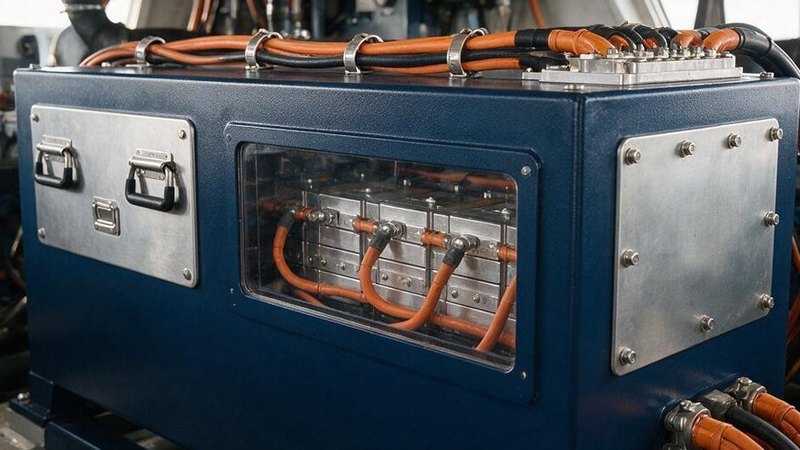
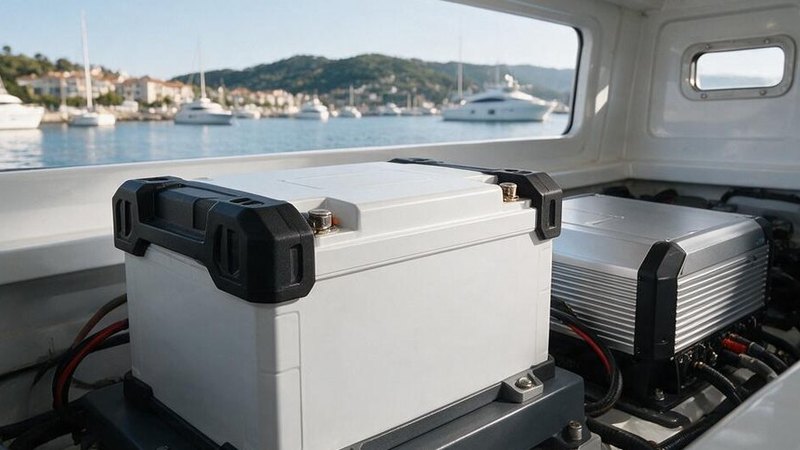
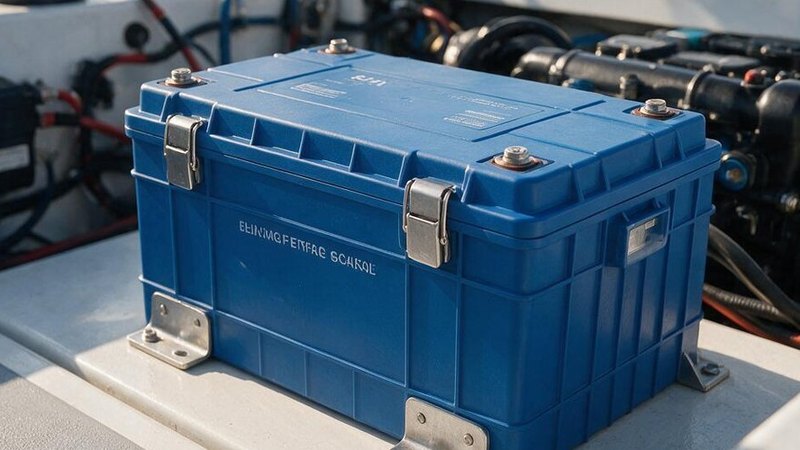
Professional Battery Solutions
10 Lead-Acid Energy Density Too Low — USV Operational Radius Only 10nm
2-3m small USVs have limited payload (200–500kg). Lead-acid takes most payload budget. 400kg stores only 14-16kWh — propulsion + sensors + comms ~500W, endurance only 30–40 hours / 10nm. Many USV projects canceled or downsized because "range isn't enough."
Operational radius from 10nm to 50+ nm — 5× mission coverage. PLB LL-MARINE48100-USV with ≥150Wh/kg, same weight (100kg) stores 15kWh. Same energy needs at 1/4 weight — 300kg saved for additional sensors or expanded mission scope.
| Lead-acid | PLB USV | |
|---|---|---|
| Energy density | 30–40 Wh/kg | 150 Wh/kg or more |
| Stored energy per 400 kg | 14 kWh | 15 kWh from 100 kg |
| Operating radius | 10 nmi | 50+ nmi |
| Payload margin | Very small | +300 kg |
BMS USV Lost Contact at Sea — BMS Data Can't Transmit to Shore
The pain is specific: BMS USV Lost Contact at Sea — BMS Data Can't Transmit to Shore In daily operation, lead-acid or manually managed packs lose capacity between scheduled checks, maintenance teams cannot inspect every unit, and the failure surfaces only when the load is already at risk.
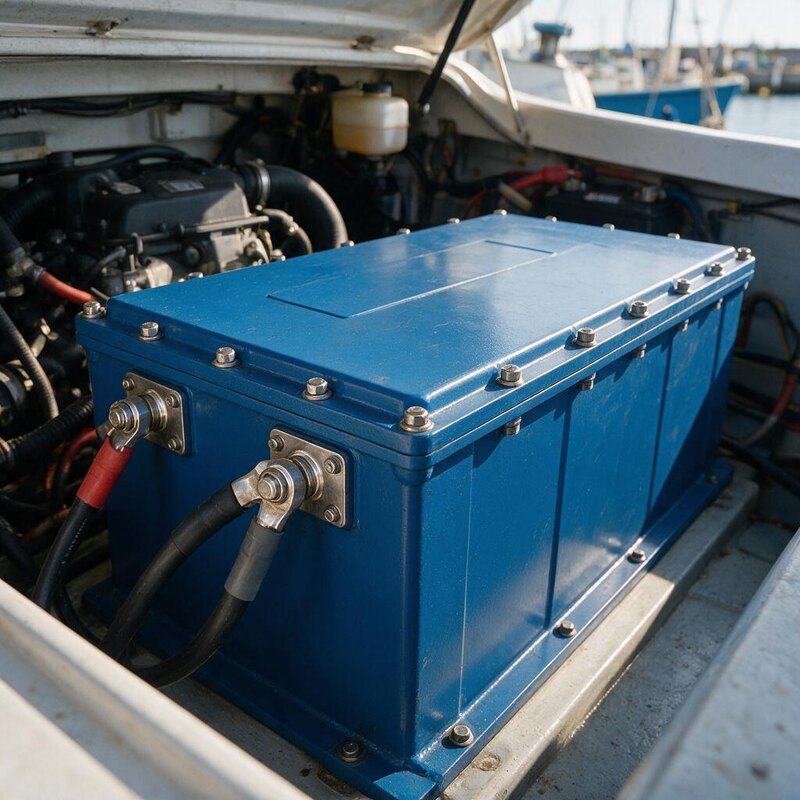
Shore-based real-time battery status — informed mission decisions. PLB's LiFePO₄ pack and BMS monitor cell voltage, temperature and SOC continuously, alert before a weak cell becomes a failure, and are sized to the application's load profile.
| Conventional / manual | PLB LiFePO₄ | |
|---|---|---|
| Monitoring | Periodic checks | Continuous BMS |
| Fault warning | At failure | Threshold alerts |
| Maintenance | Scheduled visits | Exception-based |
| Service life | 2–3 years | 6,000+ cycles |
USV 24H Continuous Operations — Will Battery Overheating Run Away?
USVs during surveying/inspection run propulsion motors continuously. Batteries under sustained high-current discharge generate heat. Small, poorly ventilated USV battery compartments accumulate heat → accelerated cell degradation → increased internal resistance → more heat — vicious cycle leading to thermal runaway. No one on board — thermal runaway fire = USV burns and sinks.
Thermal runaway risk to zero — USV asset security. PLB four-stage thermal protection + optional liquid cooling: 40 °C alert → 45 °C power reduction → 50 °C limiting → 55 °C cutoff. LiFePO₄ 300 °C threshold + aerosol self-extinguishing. Even extreme situations self-extinguish without sinking.
| Standard lithium | PLB USV | |
|---|---|---|
| Thermal runaway risk | Present, vicious cycle | Zero |
| Protection levels | Two | Four, staged |
| Cooling | Passive, insufficient | Liquid cooling optional |
| After a fire | Vessel lost | Self-extinguishing, vessel safe |
Solution Advantages
High Density
≥150Wh/kg, 4× lead-acid
In-house high-density cells reach 150Wh/kg or more, lifting the operating radius from 10 to over 50 nautical miles and multiplying mission coverage five times.
150Wh/kg+ · 50+ nmi radius · 72 h+ enduranceDeep Integration
Modbus/NMEA2000/Satellite
The BMS integrates deeply with the vessel control system and supports multiple backhaul protocols, so the shore station sees SOC, SOH at temperature in real time.
Modbus / NMEA 2000 · Satellite comms · Shore dashboardAuto-Return
20% SOC triggers return
The BMS is linked to the navigation system: below 20% charge it triggers a return-to-base command, so a USV is never left drifting with a flat battery.
Charge-linked navigation · Automatic return at 20% · No lost vesselsThermal Safe
Four-stage + aerosol self-extinguish
Four-stage thermal protection with aerosol suppression keeps 24-hour continuous operation safe — no fire and no lost vessel.
Four-stage protection · Aerosol suppression · No fire, vessel safeFrom Selection to After-Sales — PLB Stays With You
Four commitments that apply to every page in this category, from the first technical question to long-term support.

Technical Selection Support
Engineer recommends within 24 hours
Tell us the vessel type, daily consumption and engine-room conditions — our engineers size the system and recommend the matching model within 24 hours.
Dedicated technical team · 24-hour response
OEM / ODM Customization
From cell to cabinet, fully customizable
From cells, BMS, housing and terminals to the nameplate, everything can be customized.
4–8 week customization · Tooling development supported
Global Shipping
Export to 100+ countries
Export-compliant packaging with UN 38.3 air transport certification and worldwide delivery.
UN 38.3 certified · MSDS available · Export compliant
Warranty & Support
Standard warranty, lifetime support
Standard products carry a full warranty, backed by lifetime technical support.
Warranty terms on request · Lifetime technical supportWhy Choose PLB?
Years of Manufacturing
Founded in Dongguan, China in 2014
Countries Served
Export-compliant packaging and worldwide delivery
Voltage Platforms
From 25.6V to 512V, built on the same cell platform
After-Sales Rate
Monitored by the internal quality traceability system
Full Range & Model Selection
Complete product range and model selection — fishing and workboat packs, lightweight sailing batteries, high-capacity cargo and ferry systems plus sealed buoy and USV versions.
| Model | Voltage | Capacity | Protection | Applications |
|---|---|---|---|---|
| LL-MARINE48200 | 48V | 200Ah | IP67, 316L terminals | Fishing boats · workboats |
| LL-MARINE48200-YT | 48V | 200Ah | 1.5 h fast charge | Yachts · leisure craft |
| LL-MARINE24100-SAIL | 24V | 100Ah | Lightest option, BT monitor | Sailing · racing |
| LL-MARINE48500-CARGO | 48V | 500Ah | 200kWh systems, DNV/BV/LR | Cargo · ferry · port |
| LL-MARINE48100-USV | 48V | 100Ah | Navigation-linked BMS | USV · unmanned craft |
| LL-MARINE12100-BUOY | 12V | 100Ah | Sealed, buoy-mounted | Offshore platforms · buoys |
By vessel: fishing boat or workboat → LL-MARINE48200.
By duty: 24-hour attractor lights or winches → 48V 200Ah.
Not sure? Send us the vessel type, daily consumption and engine-room conditions — our engineers will size the system directly.
Frequently Asked Questions
The questions boat builders, yards and fleet operators ask most about LiFePO₄ marine banks in the Unmanned Vessels scenario — 72 h+ (endurance), and what it takes to qualify.
What has to change on the vessel before a LiFePO₄ pack goes into the Unmanned Vessels scenario?
The bank keeps the vessel DC voltage and footprint, with marine terminals and a BMS configured for the existing charge sources. Typical models for Unmanned Vessels builds are LL-MARINE48100-USV.
Does output stay flat through a whole Unmanned Vessels mission?
A 48 V 200 Ah pack weighs about a quarter of the equivalent lead-acid bank, and 6,000 cycles give a ten-year service life. Key figure: 72 h+ (endurance).
How is the pack sealed and thermally managed in Unmanned Vessels duty?
IP67 sealed construction with marine-grade terminals resists salt spray and engine-room heat, and the BMS cuts off above its rated temperature.
Is a special charger needed in the Unmanned Vessels scenario?
Three-way charge management covers shore power, generator and solar, and charge acceptance is about three times that of lead-acid.
What warranty and after-sales support apply in the Unmanned Vessels scenario?
Standard products carry a full warranty backed by lifetime technical support, with terms confirmed on the quotation; export packing is UN 38.3-certified with MSDS. Tell us the vessel type, daily consumption and engine-room conditions — our engineers size the system and recommend the matching model within 24 hours.
Need a Selection Recommendation?
Tell us the load, backup time and installation space — our engineers will recommend the matching battery within 24 hours.
NDA available upon request · Typical response within 12 hours