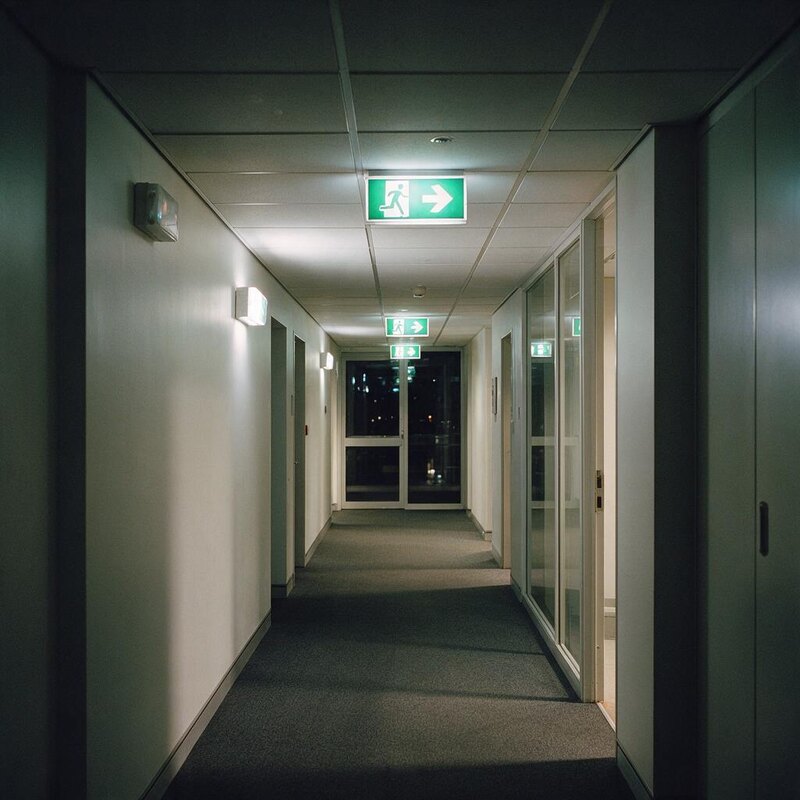
What Transportation Hub Covers
Regulations now require emergency lighting systems with smart monitoring, remote management and predictive maintenance. Operationally it is harder still: one terminal can carry 500+ lights, and compiling the audit documentation by hand takes two to three weeks, with a single missing document meaning failure. The PLB hub solution answers with AI predictive maintenance, N+1 redundant backup and one-click audit export, taking failure rates from the industry’s 2–5% to below 0.1%.
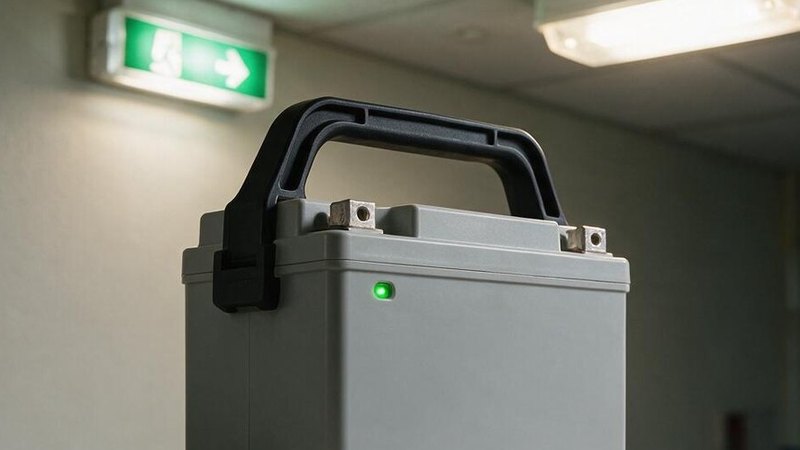
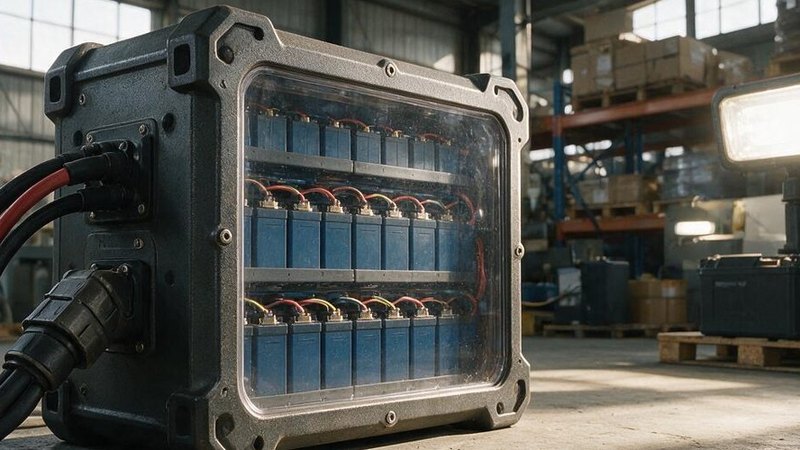
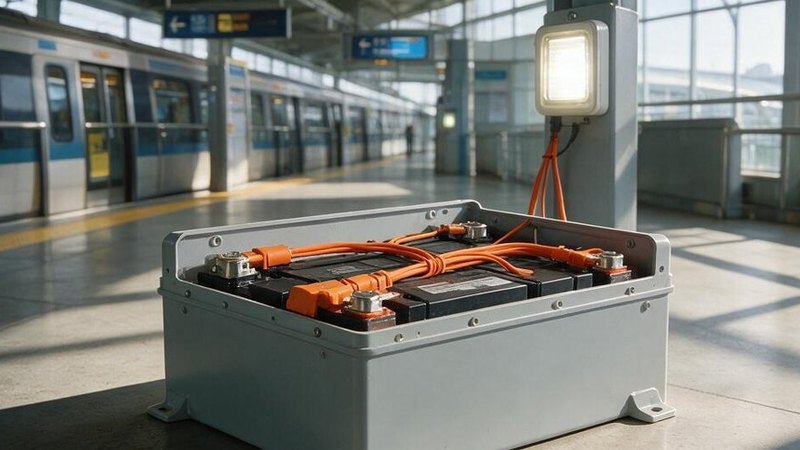
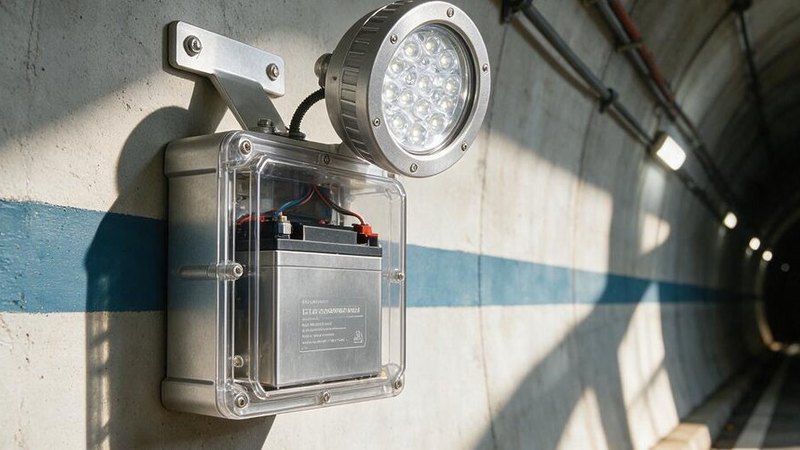
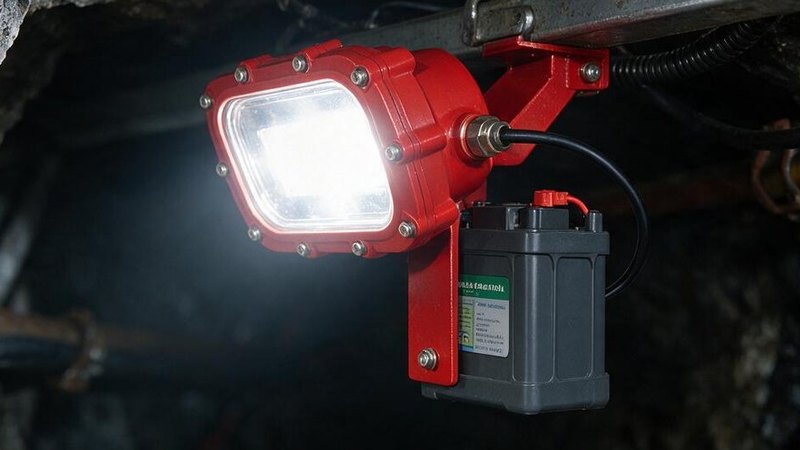
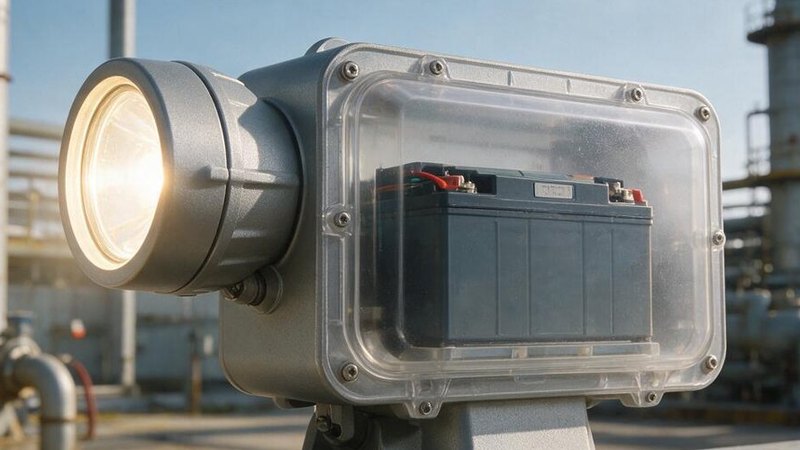
Professional Battery Solutions
From Fix When Broken to Replace Before Failure — How?
One metro station runs 100+ emergency lights and a terminal 500+. Manual inspection means faults are found late, and a dead lamp photographed by passengers damages reputation far more than the repair costs. The industry average failure rate is 2–5%, while the operator KPI is zero incidents.
The PLB smart version supports Modbus TCP/IP into the ISCS. AI analyzes degradation trends and warns 30 days ahead, bringing the failure rate below 0.1% and saving ¥30,000–50,000 per station per year. Zero-incident operation becomes the operator’s strongest safety endorsement.
| Conventional | PLB smart | |
|---|---|---|
| Fault discovery | After the event | 30-day advance warning |
| Failure rate | 2–5% | Below 0.1% |
| Inspection cost | ¥30,000–50,000 / site / year | ¥0, automated monitoring |
| Response | Hours | Seconds |
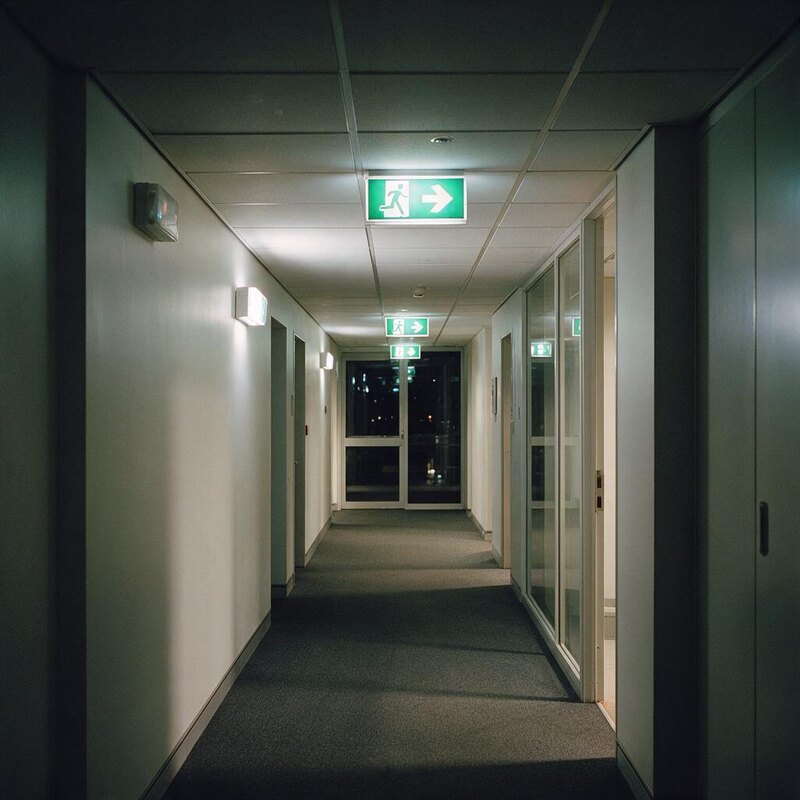
Critical Evacuation Routes — Not a Single Light Can Fail
The pain is specific: Critical Evacuation Routes — Not a Single Light Can Fail In daily operation, lead-acid or manually managed packs lose capacity between scheduled checks, maintenance teams cannot inspect every unit, and the failure surfaces only when the load is already at risk.
The PLB hub supports N+1 redundancy: every two lights share one backup battery with automatic switchover in under 0.5 seconds, providing 108 minutes or more of route lighting — a 120% margin that far exceeds the code and. PLB's LiFePO₄ pack and BMS monitor cell voltage, temperature and SOC continuously, alert before a weak cell becomes a failure, and are sized to the application's load profile.
| Conventional / manual | PLB LiFePO₄ | |
|---|---|---|
| Monitoring | Periodic checks | Continuous BMS |
| Fault warning | At failure | Threshold alerts |
| Maintenance | Scheduled visits | Exception-based |
| Service life | 2–3 years | 6,000+ cycles |
500+ Audit Reports — One-Click Export
Hub fire audits are strict: a battery test report, backup history and maintenance log for every light. With 500+ fittings that is two to three weeks of manual compilation, and a single missing document means rectification plus a ¥50,000–200,000 fine — every year.
Each unit ships with its own three-test report covering backup duration, internal resistance and capacity. The smart system generates maintenance logs and test reports automatically, so full documentation exports in seconds instead of weeks, covering CCC, CE and EN 61347 plus metro and aviation industry standards.
| Conventional | PLB hub | |
|---|---|---|
| Factory report | Batch sampling | Per unit, three tests |
| Audit preparation | 2–3 weeks manual | One-click export |
| Standard coverage | Basic fire code | CCC + CE + EN + industry |
| TCO | High | 40% lower |
Solution Advantages
AI Predictive
AI-powered degradation analysis
Modbus TCP/IP integration into the ISCS with AI degradation trending and 30-day advance warnings, bringing the failure rate from the industry’s 2–5% to below 0.1%.
In-house algorithm platform · Failure rate 2–5% → below 0.1%N+1 Redundant
Auto switchover in under 0.5 second
Every two lights share one backup battery with automatic switchover in under 0.5 seconds and 108 minutes or more of route lighting — a 120% margin that far exceeds the fire code and supports bid differentiation.
Switchover under 0.5 s · 120% backup marginAudit-Ready
Per-unit reports, one-click export
An individual test report for every unit plus automatic maintenance logs and one-click export, covering CCC, CE, EN and industry standards — two to three weeks of manual preparation becomes seconds.
2–3 weeks manual → one-click · Audit closes with zero itemsZero Inspection
Remote monitoring replaces patrol
Remote central monitoring replaces manual patrols, saving ¥30,000–50,000 per station per year and reaching zero missed inspections across 500+ lights.
12+ years of system integration · ISCS / NMS readyFrom Selection to After-Sales — PLB Stays With You
Four commitments that apply to every page in this category, from the first technical question to long-term support.

Technical Selection Support
Engineer recommends within 24 hours
Tell us the number of lamps, the required duration and the installation environment — our engineers size the pack and recommend the matching model within 24 hours.
Dedicated technical team · 24-hour response
OEM / ODM Customization
From cell to cabinet, fully customizable
From cells, BMS, housing and terminals to the nameplate, everything can be customized.
4–8 week customization · Tooling development supported
Global Shipping
Export to 100+ countries
Export-compliant packaging with UN 38.3 air transport certification and worldwide delivery.
UN 38.3 certified · MSDS available · Export compliant
Warranty & Support
Standard warranty, lifetime support
Standard products carry a full warranty, backed by lifetime technical support.
Warranty terms on request · Lifetime technical supportWhy Choose PLB?
Years of Manufacturing
Founded in Dongguan, China in 2014
Countries Served
Export-compliant packaging and worldwide delivery
Voltage Platforms
From 25.6V to 512V, built on the same cell platform
After-Sales Rate
Monitored by the internal quality traceability system
Full Range & Model Selection
Complete product range and model selection — commercial wall and ceiling units, industrial IP65 versions, explosion-proof enclosures and N+1 hub panels for transport.
| Model | Rated backup | Form factor | Environment | Applications |
|---|---|---|---|---|
| LL-EL90-36 | 90 min | Wall · ceiling | 0–40 °C indoor | Commercial buildings · malls |
| LL-EL90-48 | 90 min | Wall · ceiling | 0–40 °C indoor | High-rise · large floor plates |
| LL-EL90-36S | 90 min | Wall · ceiling | 0–40 °C indoor | Smart version · RS485 to BA |
| LL-EL-IND60 | 60 min | Wall · pole | Dusty · corrosive | Factories · warehouses (IP65) |
| LL-EL-EX60 | 60 min | Ex enclosure | Zone 1 / 21 | Hazardous areas · petrochemical |
| LL-EL-WT90 | 90 min | Wall · ceiling | −30 to 65 °C | Cold storage + hot workshop |
| LL-EL-HUB90 | 90 min | Hub panel | 0–40 °C indoor | Metro · airport N+1 redundant |
| LL-EL-SMART90 | 90 min | Wall · ceiling | 0–40 °C indoor | ISCS-connected hub lights |
By project size: single floor → LL-EL90-36.
By environment: commercial interior → LL-EL90 series.
Not sure? Send us the number of lamps, the required duration and the installation environment — our engineers will size the system directly.
Frequently Asked Questions
The questions lighting contractors and safety managers ask most about LiFePO₄ emergency-lighting batteries in the Transport Hubs scenario — 108 min (buffered backup), and what it takes to qualify.
Which pack fits the Transport Hubs luminaire already in service?
The 36 V and 48 V packs match common lead-acid emergency-lighting voltages with the same terminal layout and mounting, and the BMS manages charge limits so standard emergency-lighting chargers can be used. Typical models for Transport Hubs builds are LL-EL-SMART90 and LL-EL-HUB90.
How much usable capacity does the pack deliver across a discharge cycle in Transport Hubs service?
The pack holds its rated backup duration for the full service life instead of losing capacity after the first year, which is where lead-acid normally fails inspection. Key figure: 108 min (buffered backup).
Will the pack survive Transport Hubs conditions for its full service life?
Sealed construction and wide-temperature cells cover the ambient range of the installation, with BMS thermal protection.
How does the pack connect to the charger and control system in the Transport Hubs scenario?
RS485 and Modbus report per-lamp status into the site or building management system, with degradation warnings and one-click audit exports.
Can the pack be customized for the Transport Hubs application and certification file?
Cells, BMS, housing, terminals and nameplate are customizable. Custom packs take 4–8 weeks including tooling. Tell us the number of lamps, the required duration and the installation environment — our engineers size the pack and recommend the matching model within 24 hours.
Need a Selection Recommendation?
Tell us the load, backup time and installation space — our engineers will recommend the matching battery within 24 hours.
NDA available upon request · Typical response within 12 hours