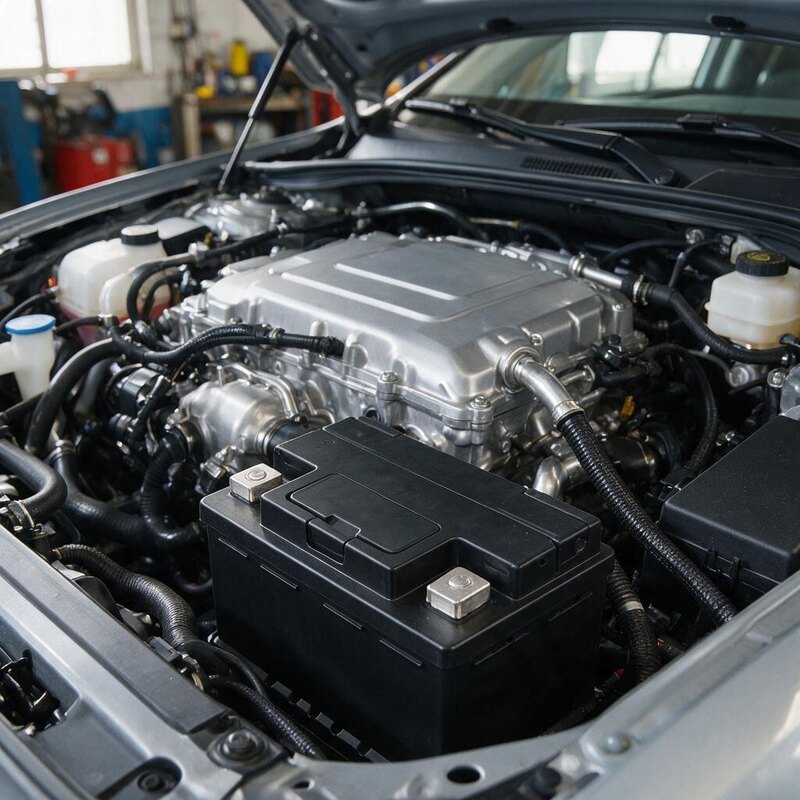
What Passenger Car OEM Starting Battery Covers
Traditional lead-acid starting batteries weigh 15–25kg — heaviest single electrical component with highest ROI for reduction. Meanwhile, start-stop penetration exceeds 70%, demanding far more cycle life than lead-acid can deliver. For OEMs and Tier 1, the challenge is "how to switch fast, stable, with controllable validation timeline."
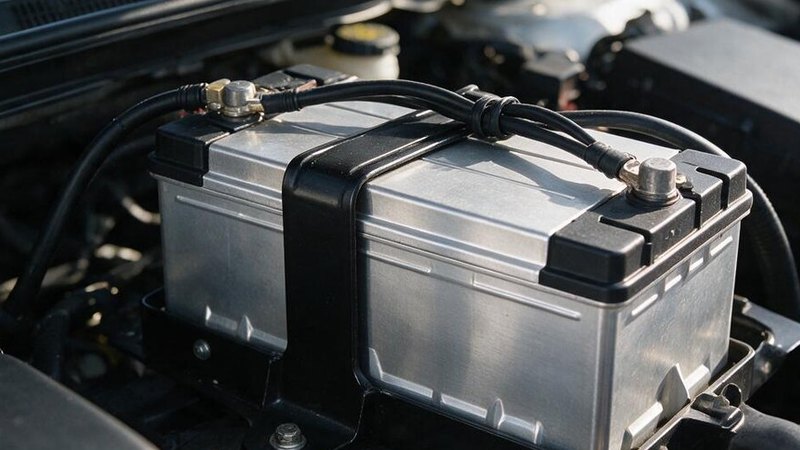
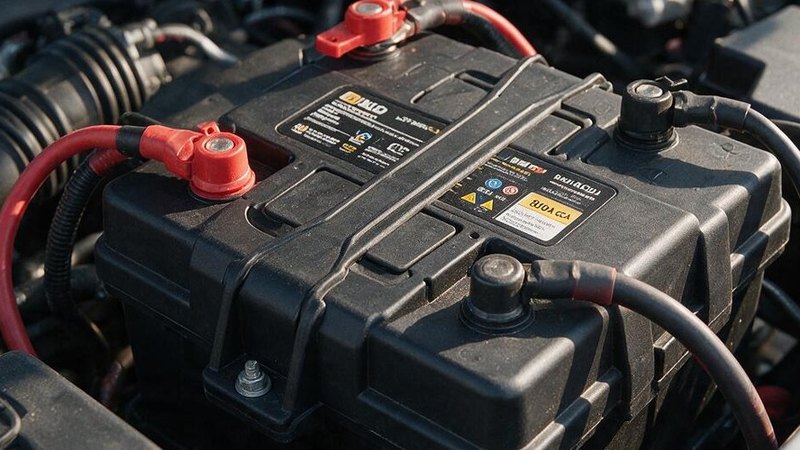
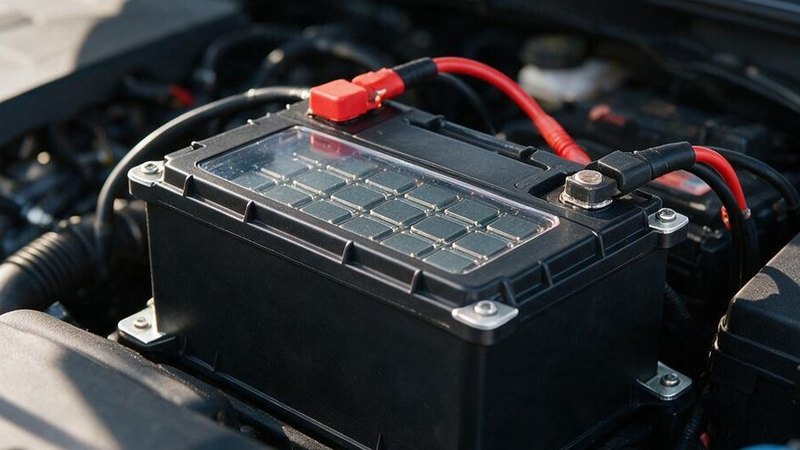
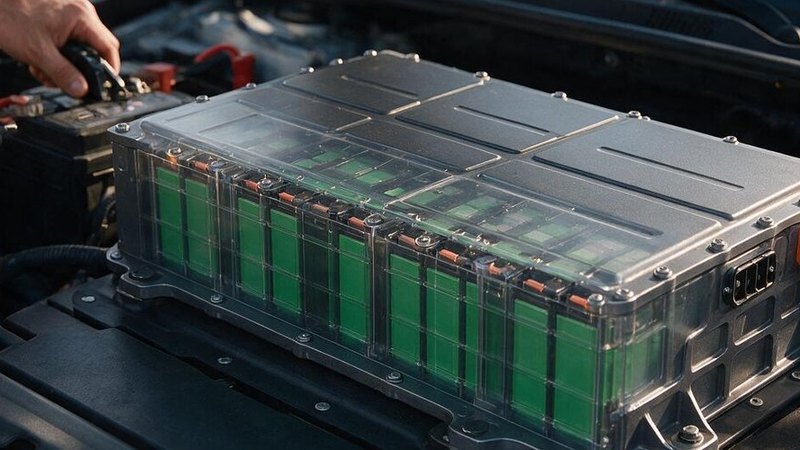
Professional Battery Solutions
Vehicle Lightweight Pressure — How to Tackle the Battery?
OEMs face annual lightweight assessments under CAFE/dual-credit regulations. A 12V/60Ah lead-acid weighs ~18kg — heaviest single electrical component. Every 100kg reduction saves ~0.3-0.5L/100km — battery has highest ROI, but replacement solutions are hard to find — lithium options either don't fit or lack start-stop validation.
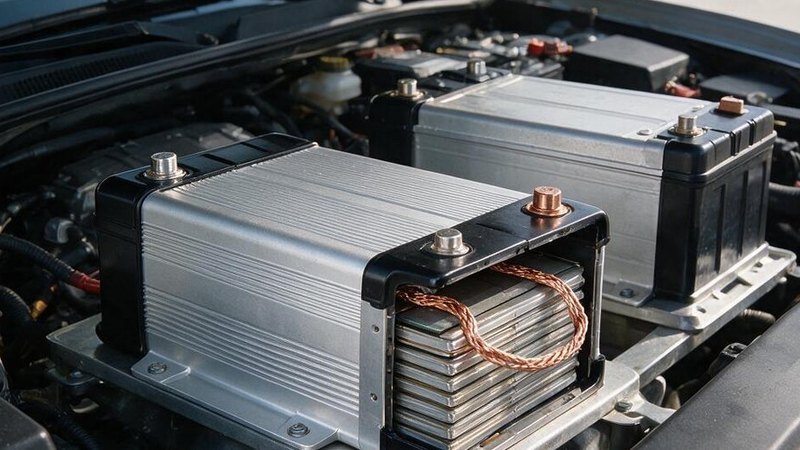
Reduce 13kg+ per vehicle; ~0.5L/100km fuel optimization — highest-ROI lightweighting measure. PLB LiFePO₄ weighs only 30-40% of lead-acid. No structural changes needed. Significant dual-credit compliance contribution.
| Lead-acid | PLB LiFePO₄ | |
|---|---|---|
| Battery weight | About 18 kg | About 5 kg |
| Fuel effect | Baseline | 0.5 L/100 km better |
| Dual-credit benefit | None | Significant |
| Structure change | — | None required |
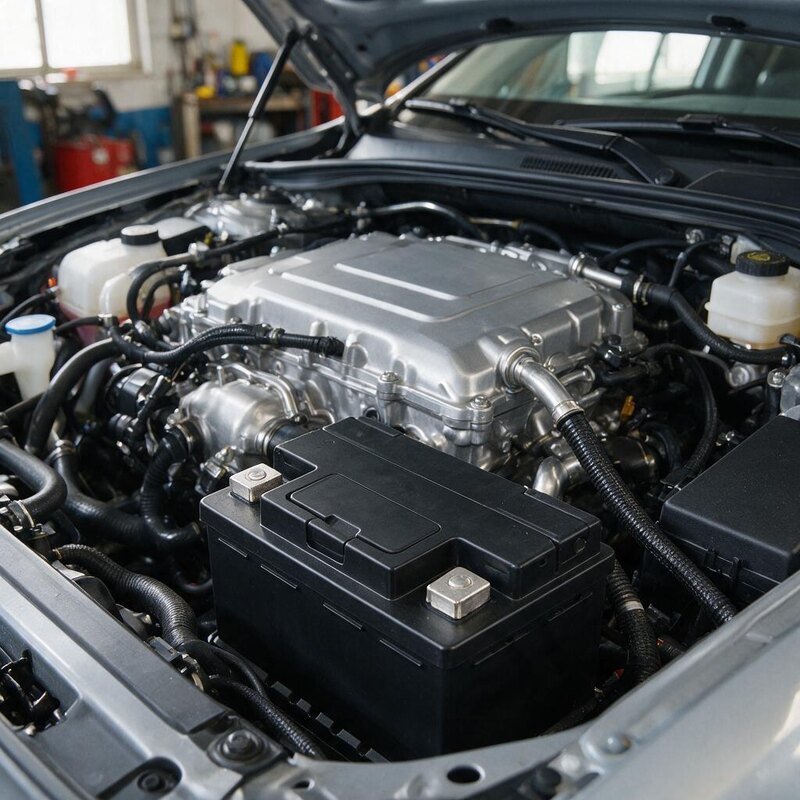
Platform Cost Reduction — How to Streamline Battery SKUs?
The pain is specific: Platform Cost Reduction — How to Streamline Battery SKUs? In daily operation, lead-acid or manually managed packs lose capacity between scheduled checks, maintenance teams cannot inspect every unit, and the failure surfaces only when the load is already at risk.
SKUs reduced from 8 to 2-3, procurement cost down 15-20%, inventory simplified 60%+, annual stagnation loss near zero. PLB's LiFePO₄ pack and BMS monitor cell voltage, temperature and SOC continuously, alert before a weak cell becomes a failure, and are sized to the application's load profile.
| Conventional / manual | PLB LiFePO₄ | |
|---|---|---|
| Monitoring | Periodic checks | Continuous BMS |
| Fault warning | At failure | Threshold alerts |
| Maintenance | Scheduled visits | Exception-based |
| Service life | 2–3 years | 6,000+ cycles |
Long OEM Validation — How to Keep Up with SOP Schedule?
Auto OEM development takes 24–36 months. Batteries must pass complete DV/PV validation. Industry average validation is 60–72 weeks — delays affect vehicle launch, costing ¥500K-2M per day of delayed SOP.
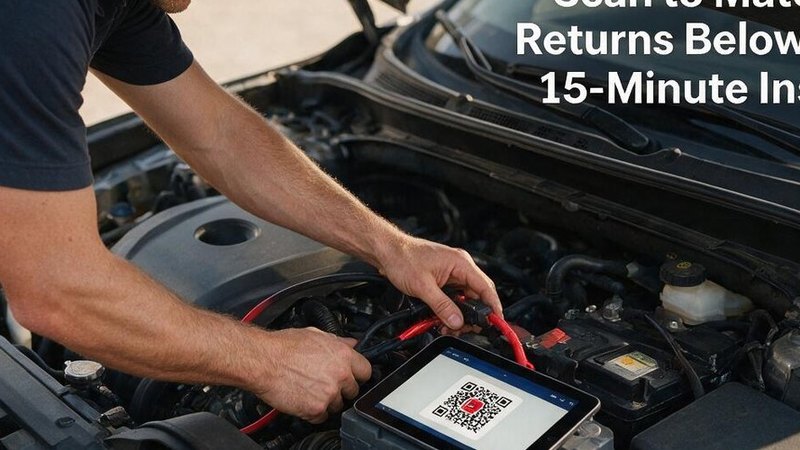
Validation cycle reduced from industry average 60–72 weeks to 48 weeks — saving 12–24 weeks. Multiple OEM mass production cases; validation data directly reusable.
| Industry average | PLB | |
|---|---|---|
| Validation cycle | 60–72 weeks | 48 weeks |
| Certification | Partial | Full set |
| SOP risk | Higher | Covered by mass-production record |
| OEM references | — | Multiple |
Start-Stop Demands — Can Lithium Handle the Cycle Count?
Start-stop vehicles subject batteries to extreme stress. OEM AGM batteries last only 2–3 years, each replacement ¥800–1,500. More critically, start-stop battery warranty claim rate reaches 8-12% — a hidden profit killer for OEMs.
Warranty claim rate drops from 8-12% to <0.1%; 5-year TCO saves 30%+. 2,000+ deep cycles vs lead-acid's 300-500. OEM tested 100,000+ start-stop cycles without degradation.
| Lead-acid | PLB LiFePO₄ | |
|---|---|---|
| Design life | 3–4 years typical | 2,000+ cycles |
| Resistance | Higher and rising | Under 10 mΩ |
| Warranty claim rate | Higher | Under 0.1% |
| 5-year TCO | Baseline | 30% lower |
Solution Advantages
Weight Reduction
5 kg against 18 kg of lead-acid
More than 13 kg removed per battery — equivalent to roughly 0.5 L/100 km of fuel benefit and significant dual-credit value.
High-energy-density LiFePO₄ · No body-structure changeStart-Stop Ready
2,000+ cycles, under 10 mΩ
Built for the high-frequency cycling of start-stop systems, with OEM testing showing no degradation after 100,000 start events and a warranty claim rate under 0.1%.
100,000 OEM start-stop cycles tested · 30% lower 5-year TCOPlatform Cost
One supplier, 2–3 SKUs
A single supplier and a slimmed SKU set cut procurement cost by 15–20% and remove slow-moving inventory.
Inventory down 60%+ · Obsolete stock close to zeroFast Integration
48-week A-to-SOP cycle
Full certification and existing mass-production references shorten validation by about 30% against the industry norm.
UN 38.3 / IEC 62660 / GB/T 31484 certifiedFrom Selection to After-Sales — PLB Stays With You
Four commitments that apply to every page in this category, from the first technical question to long-term support.

Technical Selection Support
Engineer recommends within 24 hours
Tell us the vehicle model, engine size and target SOP date — our engineers size the battery and quote within 24 hours.
Dedicated technical team · 24-hour response
OEM / ODM Customization
From cell to cabinet, fully customizable
From cells, BMS, housing and terminals to the nameplate, everything can be customized.
4–8 week customization · Tooling development supported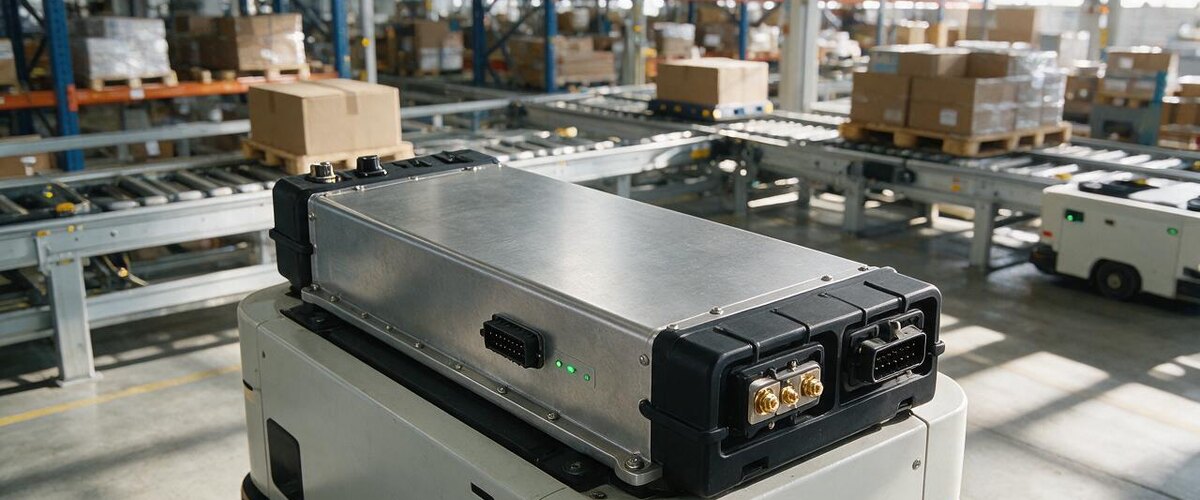
Global Shipping
Export to 100+ countries
Export-compliant packaging with UN 38.3 air transport certification and worldwide delivery.
UN 38.3 certified · MSDS available · Export compliant
Warranty & Support
Standard warranty, lifetime support
Standard products carry a full warranty, backed by lifetime technical support.
Warranty terms on request · Lifetime technical supportWhy Choose PLB?
Years of Manufacturing
Founded in Dongguan, China in 2014
Countries Served
Export-compliant packaging and worldwide delivery
Voltage Platforms
From 25.6V to 512V, built on the same cell platform
After-Sales Rate
Monitored by the internal quality traceability system
Full Range & Model Selection
Complete product range and model selection — passenger car platforms, fleet and commercial vehicle packs, and 12V auxiliary batteries for electric vehicles.
| Model | Voltage | Capacity | Peak current | Applications |
|---|---|---|---|---|
| AUTO-50 | 12V | 50Ah | Up to 600A CCA | Compact passenger cars |
| AUTO-70 | 12V | 70Ah | Up to 800A CCA, start-stop | Mid-size passenger cars |
| AUTO-80 | 12V | 80Ah | Start-stop optimized | Premium · SUV |
| AUTO-100CE | 12V | 100Ah | Factory paired, 800A CCA | Trucks · buses · fleets |
| AUTO-120CE | 12V | 120Ah | Cold-climate version | Heavy trucks · northern fleets |
| AUTO-30NEV | 12V | 30Ah | VCU communication, CAN / LIN | NEV auxiliary system |
| AUTO-40NEV | 12V | 40Ah | GB 38031, 3,000VDC isolation | NEV auxiliary, larger loads |
By program: passenger car OEM → AUTO-50 / 60 / 70 / 80 platform.
By climate or duty: −30 °C winters → cold-climate version.
Not sure? Send us the vehicle model, engine size and target SOP date — our engineers will size and quote the pack within 24 hours.
Frequently Asked Questions
The questions vehicle OEM engineers and fleet managers ask most about LiFePO₄ starting batteries in the Passenger Car OEM scenario — <10 mΩ (internal resistance) and 2,000+ (start-stop cycles), and what it takes to qualify.
What has to change on the vehicle before a LiFePO₄ pack goes into the Passenger Car OEM scenario?
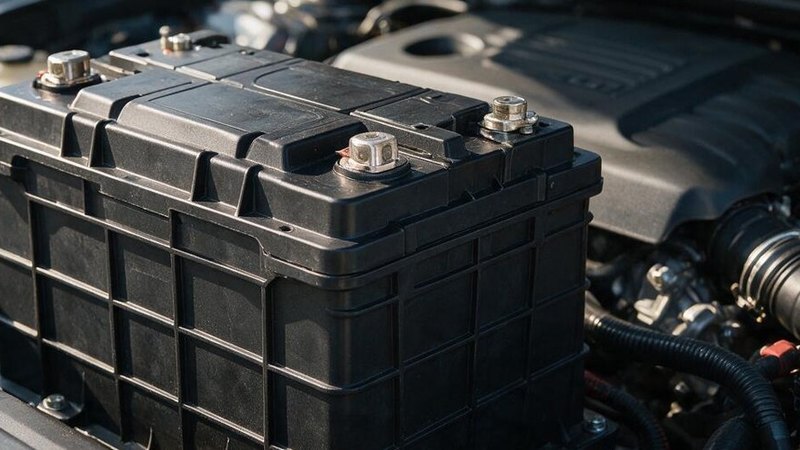
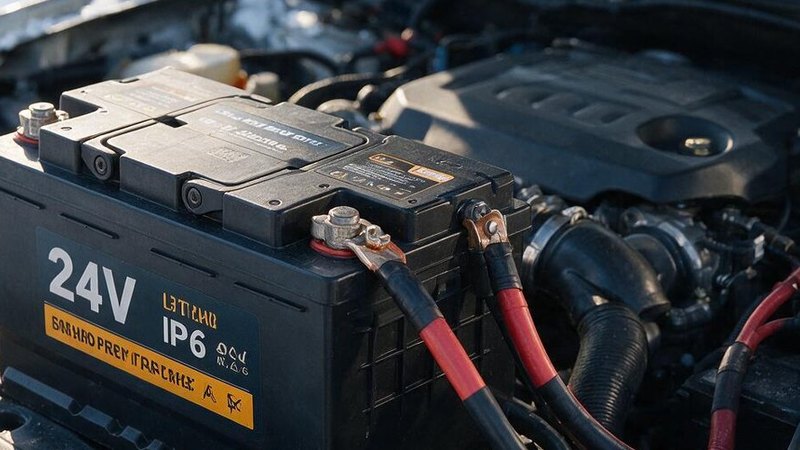
The pack keeps the 12 V footprint, terminal orientation and charge window of the lead-acid battery it replaces, so the vehicle harness needs no rework. Typical models for Passenger Car OEM builds are AUTO-50 and AUTO-60.
Does output stay flat through a whole Passenger Car OEM drive cycle?
Cranking output stays flat across the usable SOC window, and the pack is rated for 2,000+ start-stop cycles instead of the few hundred a lead-acid auxiliary battery survives. Key figure: <10 mΩ (internal resistance).
How is the pack sealed and thermally managed in Passenger Car OEM duty?
The automotive-grade pack is validated across the vehicle operating range and protected by a BMS against over-current, over-temperature and deep discharge. Endurance: 2,000+ (start-stop cycles).
Is a special charger needed in the Passenger Car OEM scenario?
The vehicle alternator profile is supported: the BMS limits charge current and blocks charging below the low-temperature threshold.
What warranty and after-sales support apply in the Passenger Car OEM scenario?
Standard products carry a full warranty backed by lifetime technical support, with terms confirmed on the quotation; export packing is UN 38.3-certified with MSDS. Tell us the vehicle model, engine size and target SOP date — our engineers size the battery and quote within 24 hours.
Need a Selection Recommendation?
Tell us the load, backup time and installation space — our engineers will recommend the matching battery within 24 hours.
NDA available upon request · Typical response within 12 hours